
Why Aim Doesn’t Transfer From Practice Maps to Real Matches

On aim training maps, everything feels perfect: your crosshair tracks your hand smoothly, headshots come easy, and your control feels rock solid. Then you jump into a real match and suddenly you’re stiff, your reactions are late, and the movements you rely on just don’t click anymore. That’s when a lot of people start feeling like practice “doesn’t work” and that gunfights in actual games are somehow different.
In reality, this is a super common and well-understood issue. Aim trainers build execution — clean mechanics, precise tracking, shooting in predictable conditions. A real match, though, is all about context: reading the situation, choosing the right moment, anticipating opponents, and making decisions under pressure. You learn how to shoot accurately, but not when to shoot. So your aim skill doesn’t disappear — it just doesn’t transfer on its own unless you also practice those missing in-game skills.
What “Aim Transfer” Actually Means
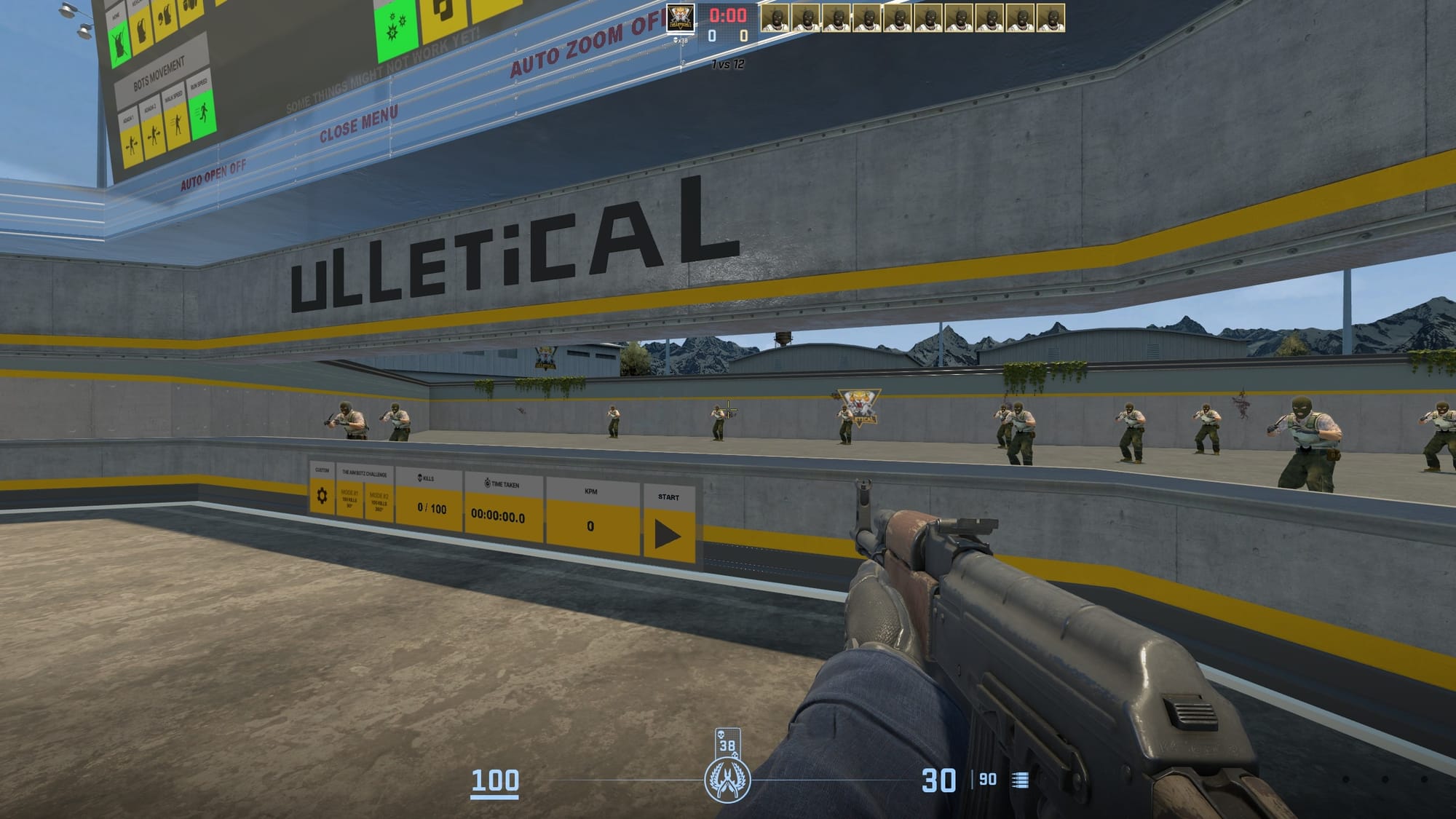
Aim transfer is your ability to take the shooting mechanics you’ve trained and actually use them in real games. Not just hitting targets on a practice map, but consistently making your aim work in matches — in duels, clutches, peeks, retakes, all of that. Short version: transfer is the bridge between practice and real play.
The problem is that mechanical improvement doesn’t equal in-game effectiveness. On aim maps, you’re building mechanical skill: mouse control, flick speed, click accuracy. But in a match you need applied skill — knowing how to use that mechanics under pressure, with limited time, and against unpredictable opponents. This is exactly where most practice routines fall apart.
Bots don’t read you, don’t punish your mistakes, and don’t create real threat. Players do. They show up at weird angles, move with intent, shoot back, and mess up your timing. That’s why hitting bots and hitting real players are basically two different skills. Aim transfer doesn’t fail because your aim is bad — it fails because your mechanics are left without game context.
What Practice Maps Actually Train (and What They Don’t)
Skills That Practice Maps Improve Well
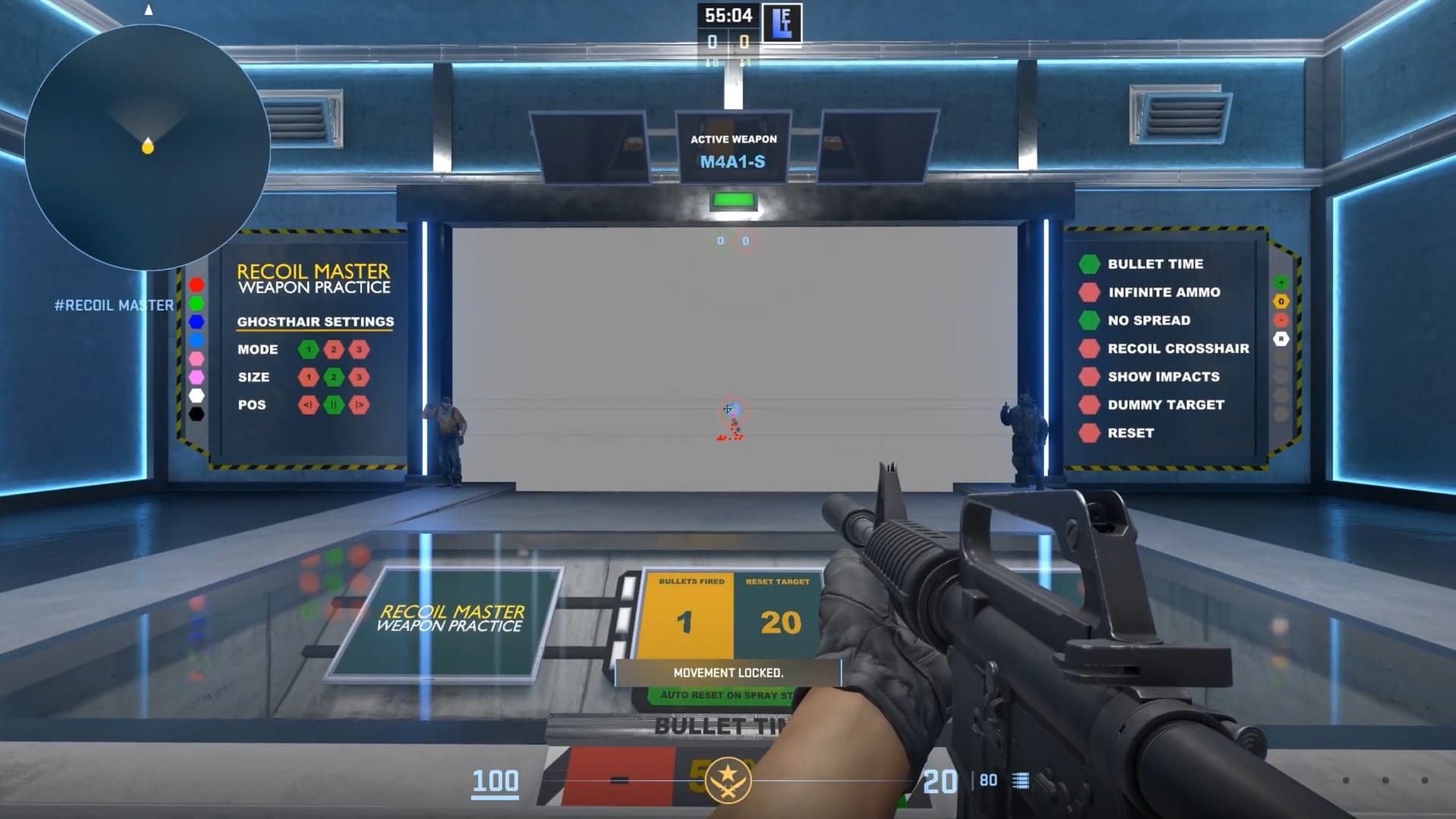
Practice maps give you pure, focused mechanical training:
- Flick shots — fast, precise movements from target to target.
- Raw aim — smooth, stable mouse control.
- Basic tracking — following a moving target without distractions.
- Repetition and muscle memory — automating movements so your crosshair “lands” on the target automatically.
This is why aim on maps feels so “clean” and progress early on feels quick: your hand is learning to make the same movements perfectly, without pressure.
Critical Skills Missing From Practice Maps
Practice maps don’t teach what makes aim truly in-game:
- Decision-making — when to shoot, when to fall back, when to change position.
- Target prioritization — who to kill first, who to ignore, how to pick threats.
- Timing and anticipation — predicting enemy movements and reacting to unexpected situations.
This is exactly why maps don’t prepare you for real duels: in matches, conditions are always changing, and bots or static targets don’t provide that. When a situation falls outside your usual patterns, your aim “breaks” — your hand remembers the movements, but your brain doesn’t know where or when to apply them.
How to train effectively on maps and servers is explained in the article: Aim Maps vs Aim Servers.
How Real Matches Break Map-Trained Aim
Unpredictable Movement and Real Player Behavior
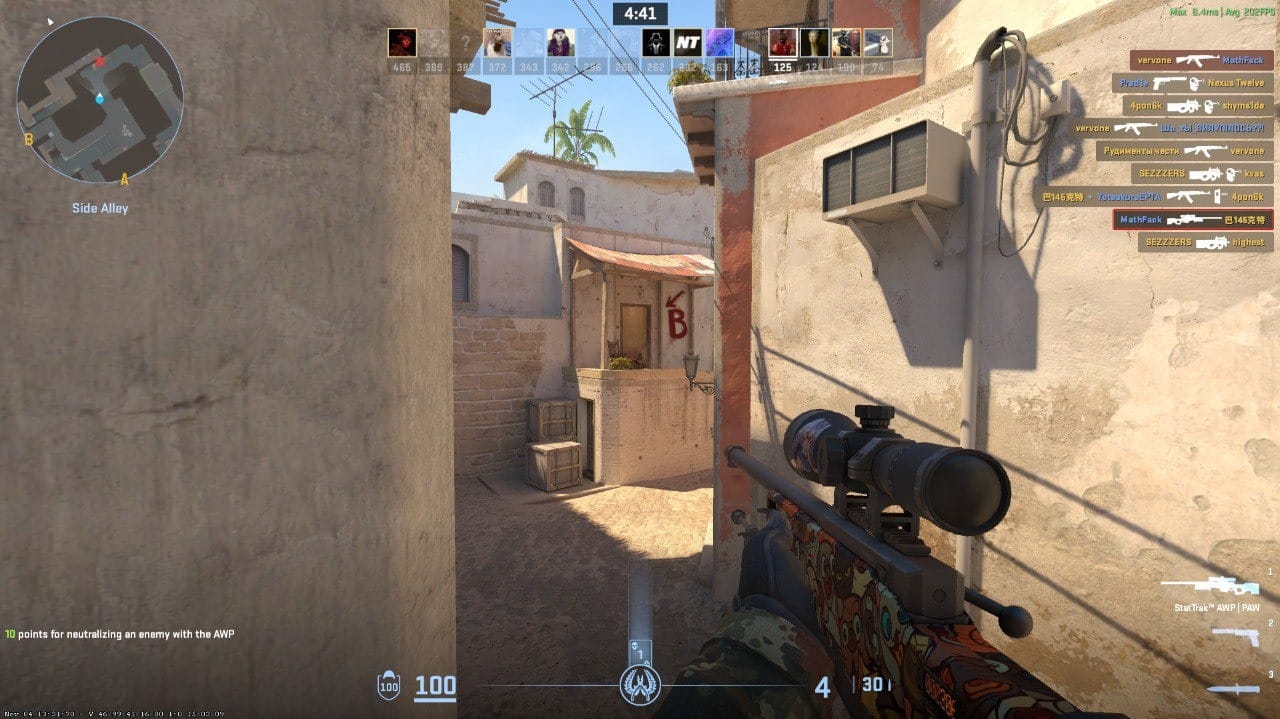
In matches, opponents move very differently from bots:
- Strafing — constant side-to-side movement to throw off your crosshair.
- Counter-strafing — sudden stops for precise shots, creating unusual pauses in movement.
- Unpredictable peeks — players step out of cover at different speeds and angles, often not how you expect.
Bots feel easier because their movement is linear and predictable. Live players move differently, and your aim, honed on stable patterns, suddenly runs into chaos. That’s the “aim breaking” feeling and why matches feel so much harder after practicing only on maps.
For practice to actually carry over into matches, it’s important to alternate maps with real players. On xplay.gg, there are DM and 1v1 servers with live opponents — their movement is unpredictable, reactions are natural, and the scenarios feel as close to real matches as it gets.
You can also level up with friends on private servers at xplay.gg. That way, no one will interrupt your practice, and you can just enjoy the game with fun settings. Read more in the article.
Pressure, Stress, and Performance Anxiety
Even perfectly trained aim can fail under match pressure. In clutch moments or key duels, your hands start to shake, movements get jerky, shots become rushed, and your brain switches from automatic control to stress-driven reaction.
That’s why aim “falls apart” right when it matters most.
The Cognitive Load Problem Most Players Ignore
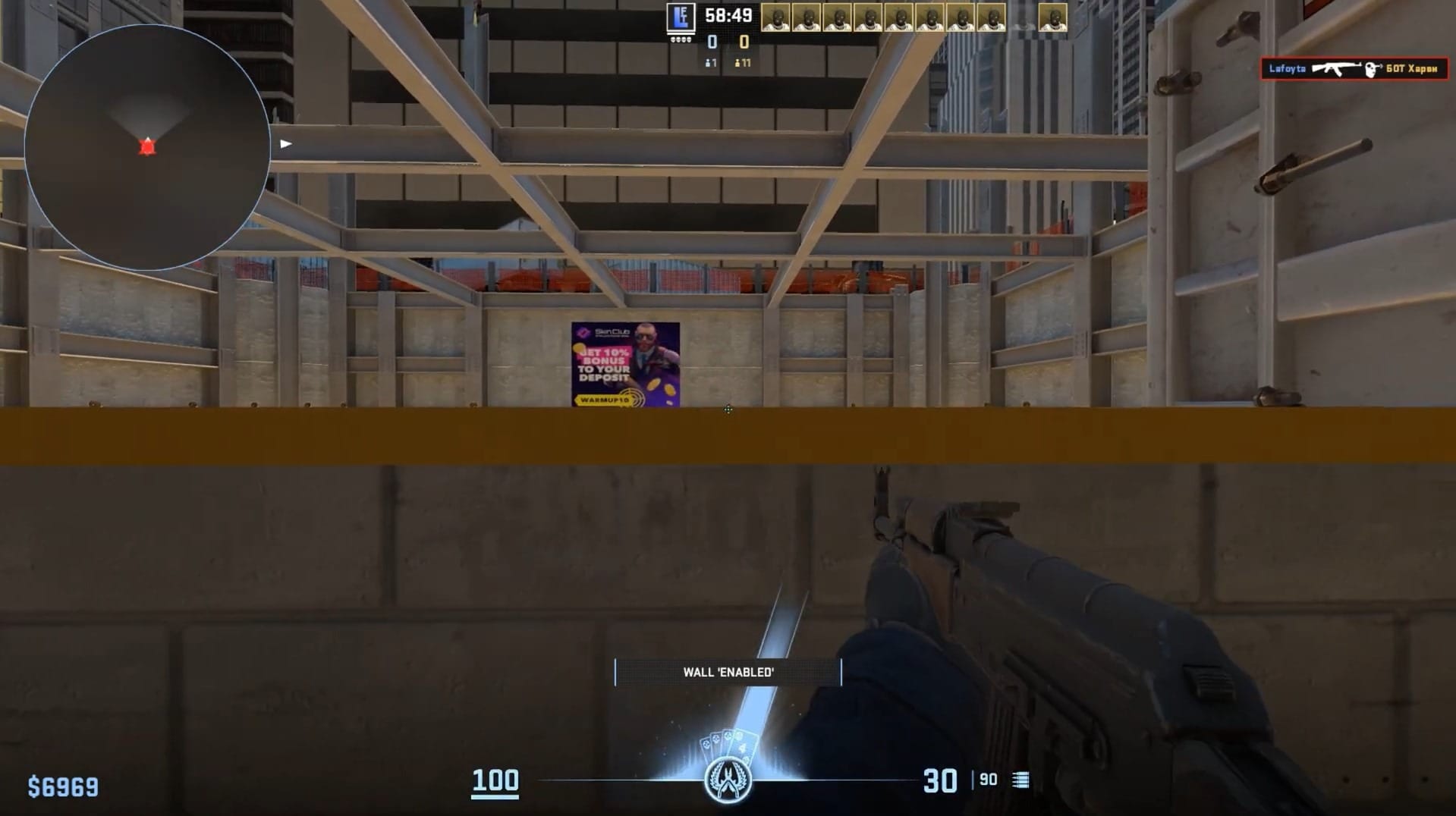
In matches, aim gets complicated not just by opponent movement and stress, but by cognitive load. On a practice map, you’re just shooting. In a real game, you’re juggling multiple tasks at once:
- Listening to audio cues — footsteps, gunfire, reloads.
- Tracking units and grenades — controlling flashes, smokes, molotovs.
- Monitoring the map and team positions — where your allies are, where potential threats lie.
- Communicating with your team and coordinating actions.
For example, you push a peek: you hear footsteps on the left, spot a flash from the enemy, wait for a teammate’s call, and try to flick to the head of a moving, unpredictable opponent. Your brain is overloaded, attention split, and even if your raw aim is perfect on maps, your shot might miss or be slower than usual.
All these tasks demand serious information processing and multitasking, which is why aim in real matches feels “heavy” and less stable.
Why Movement and Positioning Matter More Than Pure Aim
Aiming isn’t just about hitting the target — it’s also about where you stand and how you move. Even the most precise aim won’t save you if you’re standing still in the open or caught at a bad angle.
- Crosshair placement — keep your crosshair roughly at head level whenever there’s a chance to see an enemy. This reduces the need for sudden adjustments and makes your shots more consistent.
- Clearing angles — scanning corners properly lets you spot opponents first and shoot from a prepared position.
- Movement while aiming — smart movement and counter-strafing increase your hit chance and lower the odds of the enemy dodging your shots.
Standing still and waiting often leads to misses: opponents move unpredictably, and even a small delay can turn a hit into a miss. Good positioning and movement make shooting effective without needing crazy flicks.
For improving movement and which modes work best for that, check out the article: Surf/BHOP/KZ: Which Mode Builds Movement Skill Faster? On xplay.gg servers, you can train not only aiming but also movement skills and team communication. All you need to do is go to the platform and log in with your Steam account.
Why Aim Progress Often Plateaus on Practice Maps
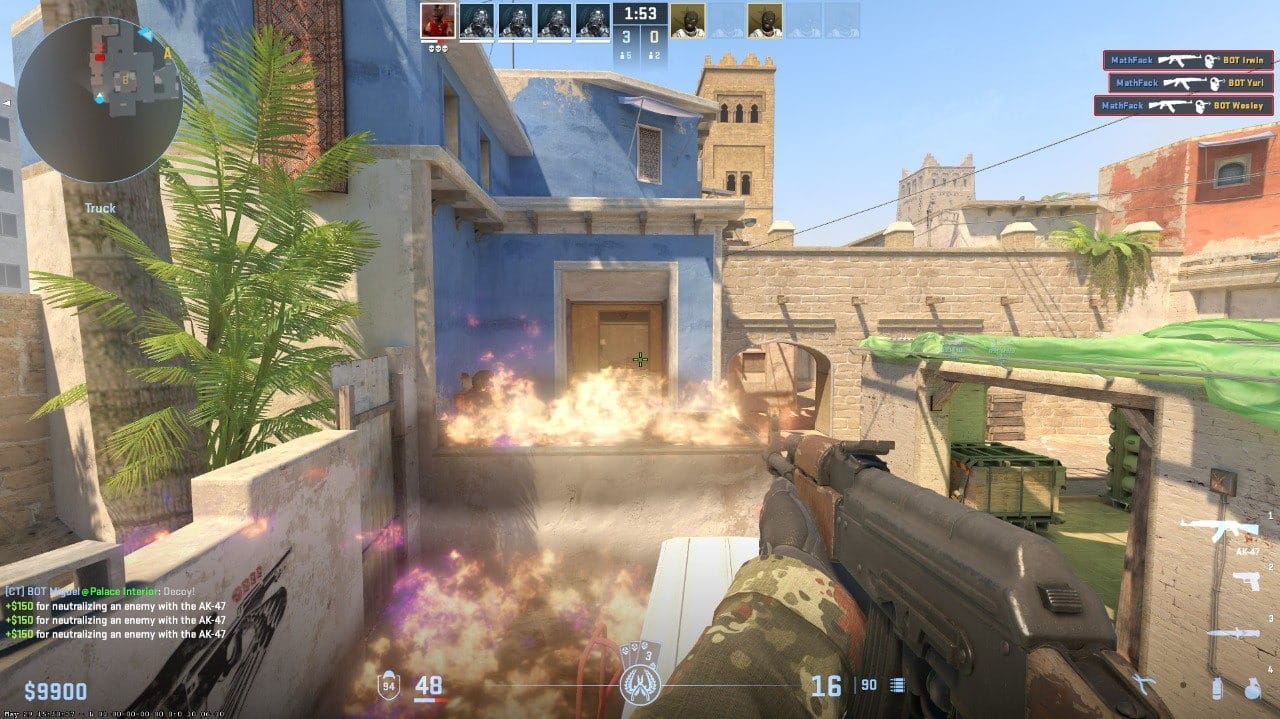
Many players notice this: at first, you improve quickly and aiming starts to feel easier, then suddenly it feels like your progress has stalled. Here are some possible reasons for this effect:
- Overtraining — long sessions wear out your hand and brain, reducing the effectiveness of repetitions.
- False feedback — hitting static bots gives a sense of progress, but doesn’t reflect your real ability to hit live players.
- Unrealistic repetition — doing the same movements over and over builds muscle memory for sterile patterns that rarely appear in matches.
That’s why grinding maps for hours often doesn’t translate to real matches: your mechanics improve, but aim transfer to actual game situations doesn’t happen.
How to Fix the Aim Transfer Problem
For practice to actually start working in matches, you need to change your approach to training maps and add elements that reflect real in-game conditions.
- Mix maps with live practice — duels, 1v1s, or retakes against real players help skill transfer by putting your mechanics into match context.
- Add pressure and decision-making — limited time to shoot, targets appearing unexpectedly, or situations where you have to prioritize threats.
- Gradual adaptation to real opponents — don’t jump straight into a ranked match after maps; start with short sessions on live players and slowly increase intensity.
This approach lets you keep your mechanical skill clean while simultaneously developing realistic practice and the adaptation needed to apply your aim effectively in actual matches.
Use the xplay.gg training servers with different modes and settings for CS2. They have DM servers with live players, retakes, and duels. It’s the perfect place to make your mechanics transfer from maps into actual gameplay.
Are Practice Maps Still Useful?
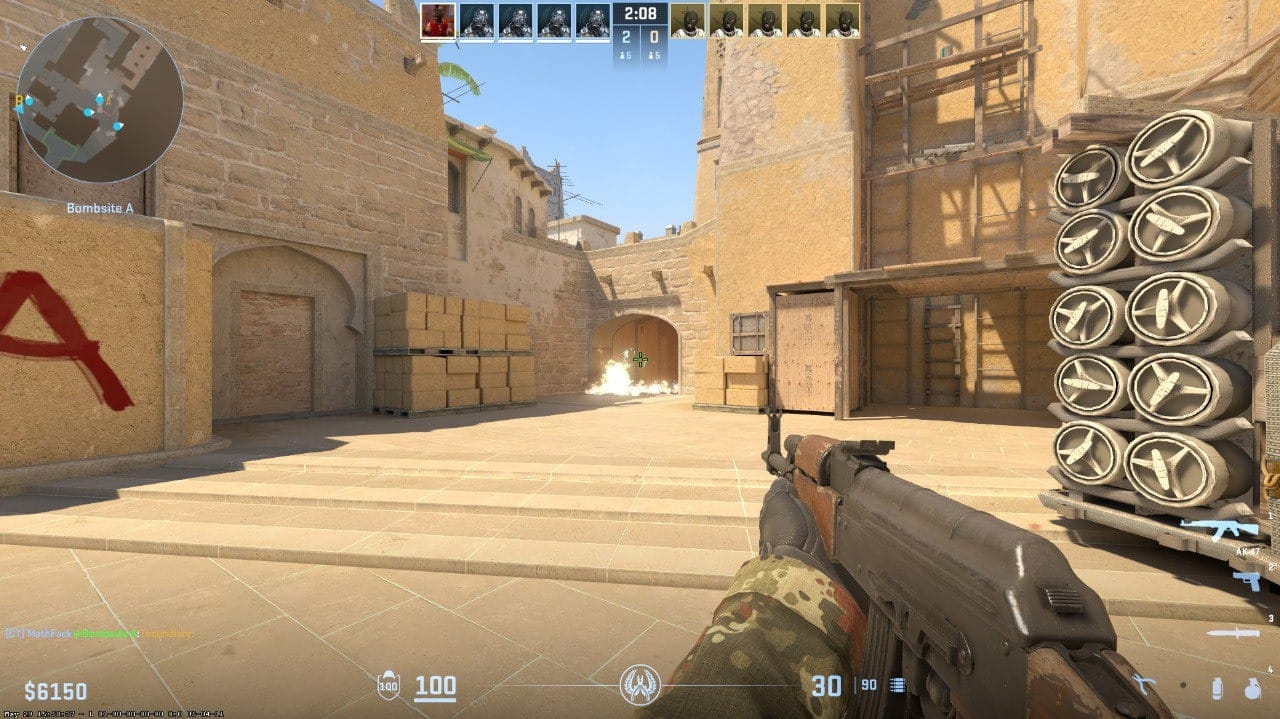
Absolutely — aim training maps don’t lose their value. They’re great for building mechanical skill: hand control, flick shots, tracking moving targets, and muscle memory.
The key is understanding that maps give you a foundation, but that alone isn’t enough. Use them as a base: short sessions for warm-ups, fine-tuning movements, and reinforcing mechanics before moving on to live practice or matches. Without this foundation, your aim would develop more slowly — but maps by themselves won’t make you consistent in real games.
FAQ
Are Aim Maps a Waste of Time?
Not at all. They’re great for building mechanical skill — hand control, stability, and confidence in your movements. The problem only comes up if maps are your only form of practice. The best results come from mixing aim maps with real-server practice. Platforms like xplay.gg make this super easy.
Why Does Aim Feel Inconsistent?
Because in matches, aim is influenced by map position, timing, stress, and decision-making. The mechanical skill itself doesn’t disappear, but the context keeps changing — which is why your aim can feel “floaty” or inconsistent.
How Long Should Aim Practice Last?
Usually 15–30 minutes is enough. Long sessions on training maps just tire out your hand without improving aim transfer to real matches.
Should Beginners Worry About Aim Transfer?
Nope. At the start, it’s more important to nail the basic mechanics and get a feel for the game. That said, the sooner you start linking practice to live players, the faster your progress will be.
What’s the Fastest Way to Improve Real Aim?
Train your aim in scenarios that are as close to real gameplay as possible: duels, specialized modes, high-pressure situations. Servers like xplay.gg have all of this. Your mechanical skill needs to be drilled where you’re actually going to use it — that’s the key to real aim transfer.