
It’s Not Your Aim: 7 CS2 Movement Mistakes That Lose Duels

You line up the shot and still lose the duel. Before changing your sensitivity, look at how you peeked. An extra step can open a second angle, shooting before you stop can throw off your first shot, and crouching on reflex can leave you spraying in the open.
These checks focus on AK and M4 duels in Premier and FACEIT. Use them to spot a recurring mistake, practice the fix and see if it carries into your next match. Movement won’t explain every miss, and a clean peek still needs a well-placed shot.
How to Spot Movement Mistakes in Your CS2 Duels
Start the demo before you leave cover. Watch where you move, when you fire and how you get back to safety. Look for the first avoidable mistake, even if the fight ends with a different one.
A demo is useful for checking your path, exposed angles and teammates’ positions. If you’re working on the timing of a counter-strafe, record live practice with a keyboard overlay. That makes it easier to match your inputs to the shot without guessing which keys you held.
Check what happened before the peek, too. A recent burst, jump or drop can affect accuracy, so check those before blaming your counter-strafe. Start simple drills on flat ground and wait for your accuracy to reset between attempts.
During practice, use a dynamic crosshair that expands as you move. Valve’s September 2026 crosshair notes explain that the dynamic styles show weapon spread and inaccuracy. Stand still without firing and note the crosshair’s resting size, then watch it as you strafe and stop. Check its size just before you shoot, since firing also makes it expand.
7 CS2 Movement Mistakes and How to Fix Them
Start with the mistake you keep seeing in your own fights. The diagrams below show the movements and angles being discussed. They’re explanatory sketches, not gameplay captures or timing measurements.
1. Overpeeking Into Multiple Angles
You swing out to clear one defender, then keep drifting while trying to finish the kill. Another angle opens, and a second player shoots you before you can turn. By then, you’re exposed to a fight your crosshair was never ready for.
Think of entering Mirage A from Ramp. Pre-aiming Stairs doesn’t also cover Jungle and CT. As you move farther onto the site, those positions need to be cleared, blocked with utility or watched by teammates.
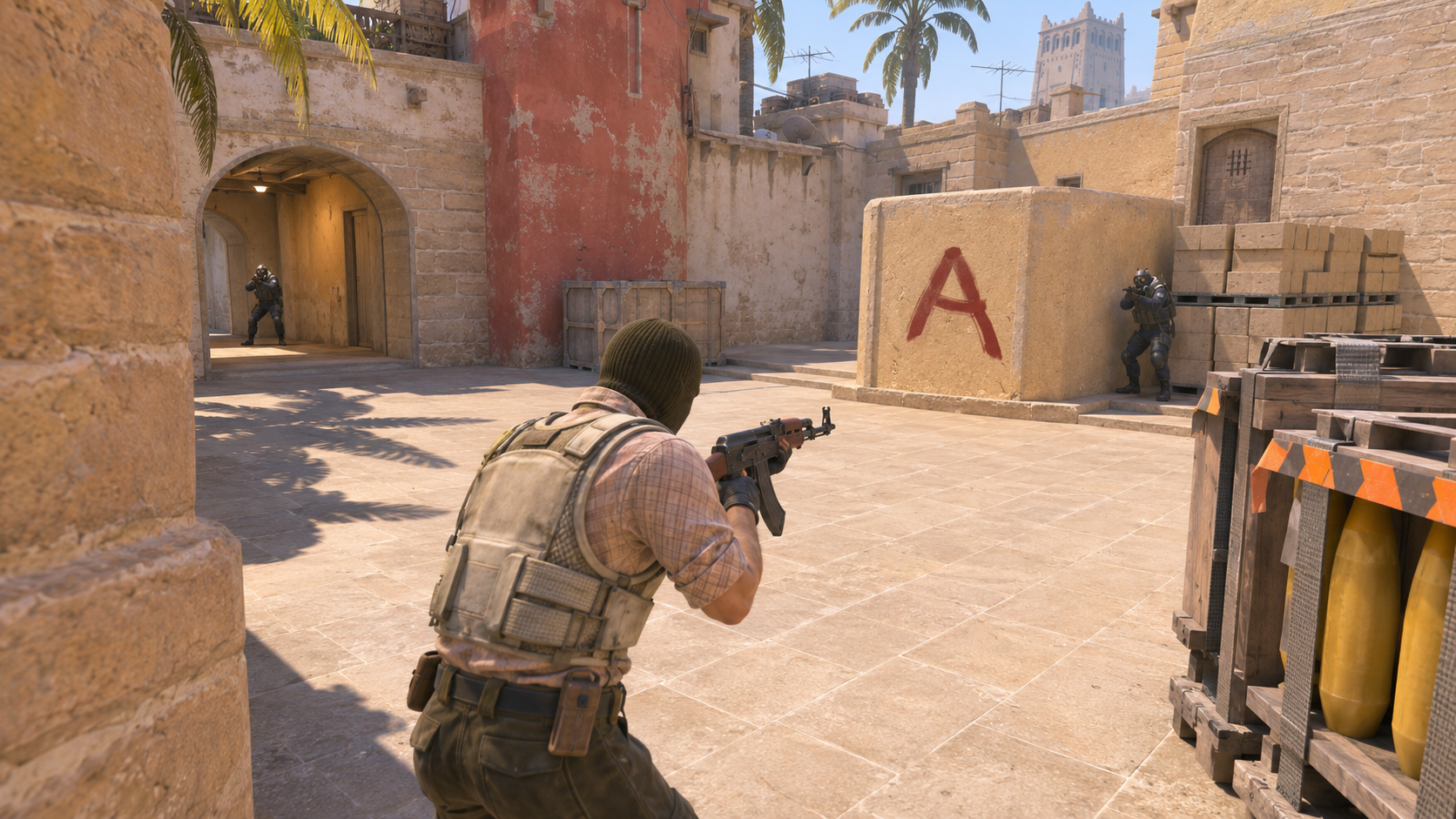
Before you peek, choose the first position you’re clearing and where you’ll stop to shoot. Keep your crosshair ready for that angle. Once it’s clear, check what the next step exposes before moving farther across the entrance.
Pause your demo at first contact and count the positions that could shoot you. If a second angle opened while you were still fighting the first player, shorten the peek or get a teammate to cover it. Check that teammate’s POV as well. Someone close on the radar might still be behind a wall and unable to trade.
A wide swing can work against an isolated defender or during a coordinated entry. Judge it by the angles you expose and the support you have. Even a short peek can expose more than one defender.
2. Mistiming Your Counter-Strafe and First Shot
Tapping the opposite key and shooting at the same moment can feel right even when the bullet leaves too early. A counter-strafe helps you stop quickly, but the key press doesn’t instantly make your rifle accurate.
The basic input: release your movement key and briefly tap the opposite direction. If you’re strafing left, release A and tap D.
Practice the sequence slowly in a CS2 practice map, using the same rifle, target and distance:
- Stand still without firing and note your dynamic crosshair’s resting size.
- Strafe left with A, keeping W and S released.
- Release A and briefly tap D to stop the strafe.
- For this drill, wait for the crosshair to return to its resting size, then fire one shot.
- Wait for your accuracy to reset, return to the starting point and repeat. Reverse A and D to practice the other direction.
Keep the sequence slow enough to follow at first. Then work up to a quicker peek while keeping the shot after the stop. If the crosshair is still expanded just before you fire, slow the drill down again.
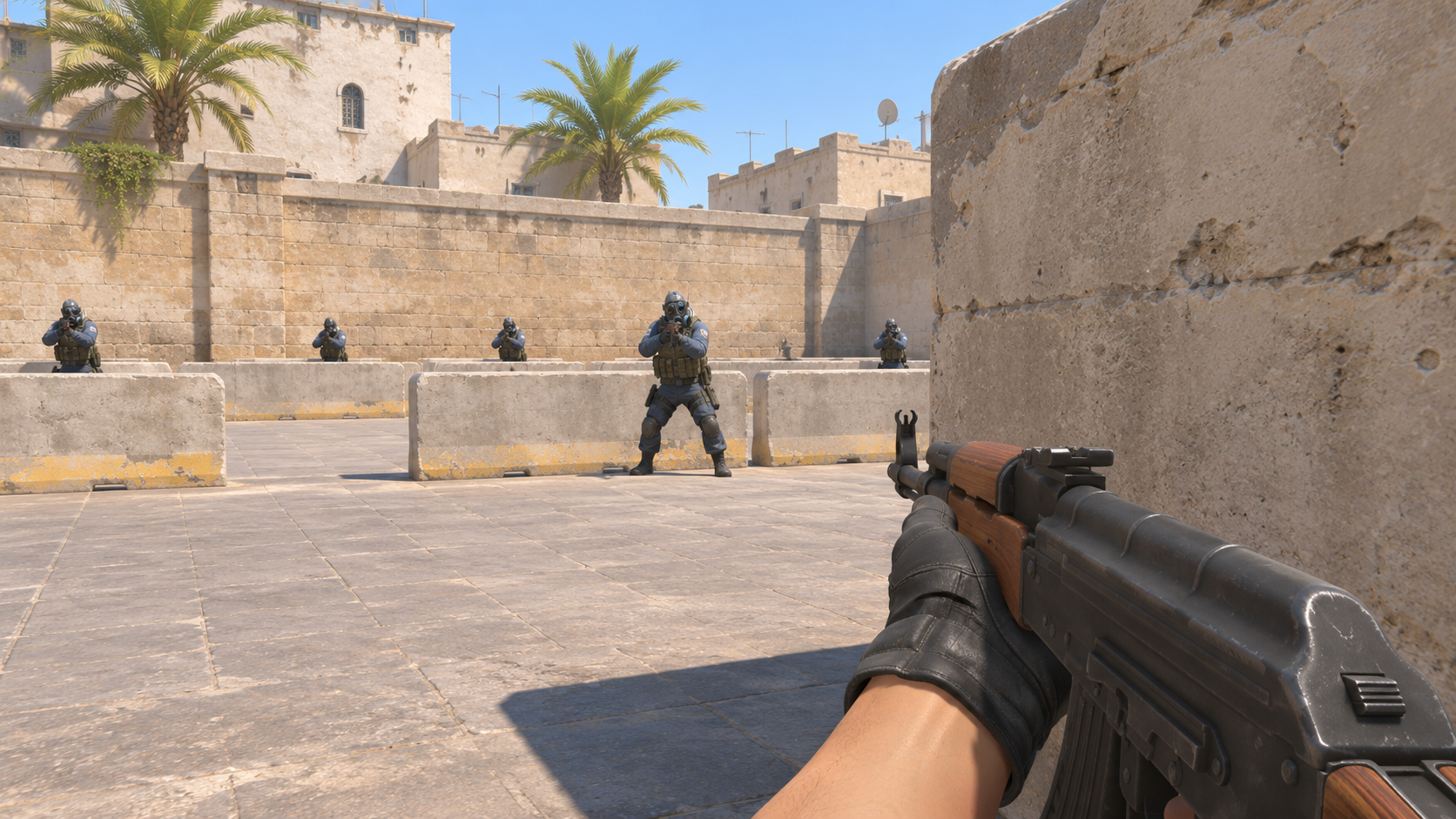
Watch for another timing mistake: starting the return to cover before you’ve taken the shot. You can stop correctly, then spoil it by moving again as you click. There’s no universal key-tap duration to memorise, and normal weapon spread means even a clean stop won’t guarantee a hit.
3. Holding W Through a Sideways Peek
You approach a corner with W, add D to swing and forget to let go of W. You wanted a sideways peek, but you move diagonally into the open. That extra forward movement can carry you past cover or expose another angle.
Your route has changed before you fire. Tapping A to stop the rightward strafe leaves the forward input active while you’re still holding W.
Find a floor seam or tile you can use as a starting mark behind cover. Approach it with W, release W, then make the final peek with A or D. Reset to the same mark after each attempt and check that you finish where you planned, without creeping forward.
In a recording with a keyboard overlay, check which keys are held at first contact. Spotting an unwanted W press gives you something specific to fix. Forward and diagonal peeks still have their place, but you need to stop the forward movement as well as the sideways strafe when you choose one.
4. Shift-Peeking Into a Held Angle
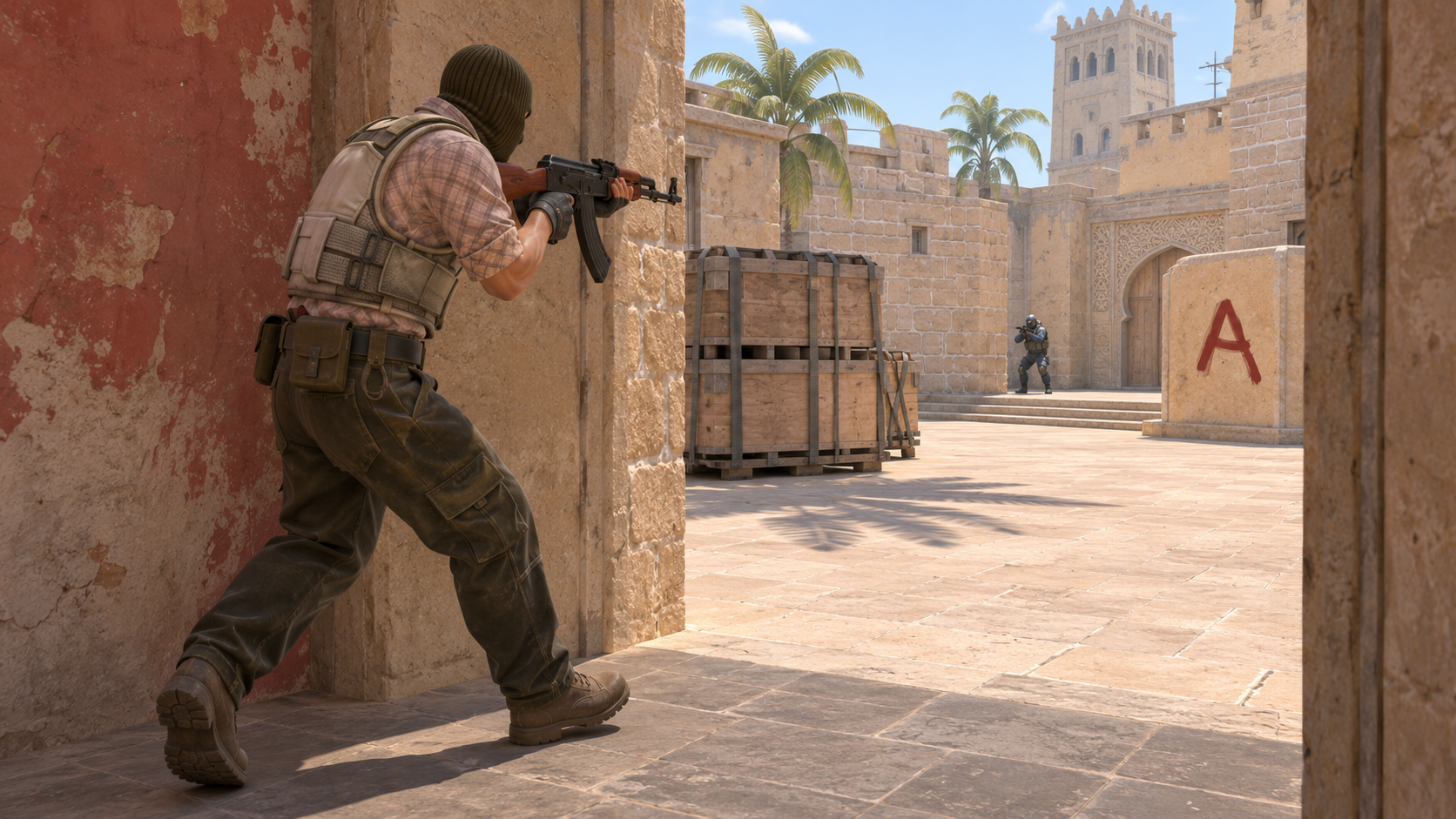
You walk quietly up to an entrance, then keep holding Shift as you creep into a defender’s crosshair. The quiet approach helped you reach the corner. The slow peek gives someone already holding the angle more time to line up a shot.
Once you commit to challenging that position, release Shift before the final strafe and choose where you’ll stop to fire. Make sure you have room for the peek. Moving faster won’t help if the swing exposes a second defender you haven’t accounted for.
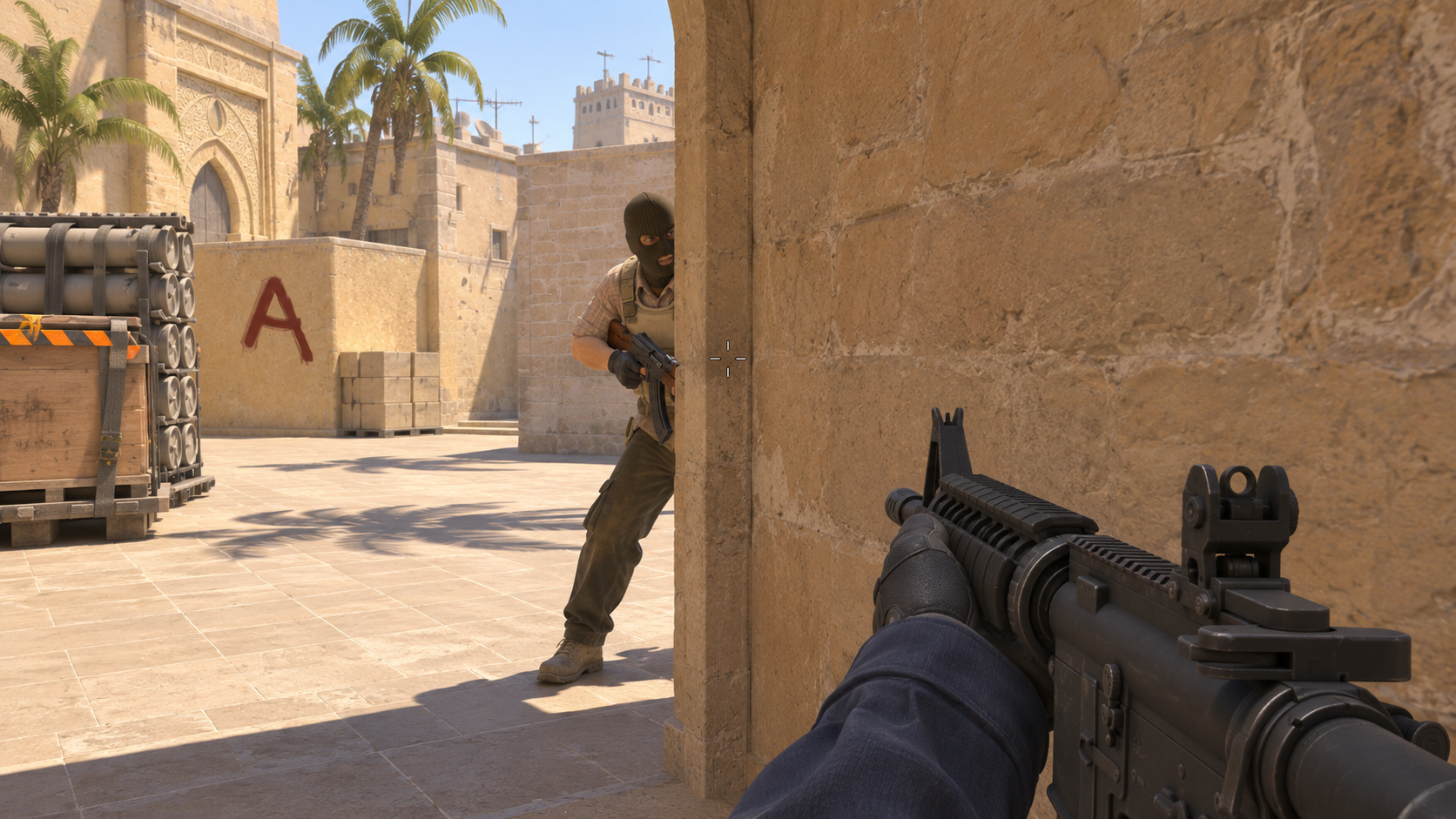
Have a friend hold the same angle and record their POV. From a fixed starting point, make one walking peek, then repeat with Shift released. Watch how you enter their crosshair and where you stop to shoot. Repeat each peek so one lucky kill doesn’t decide which you prefer.
If you’re only peeking for info, take a quick look and fall back. Don’t turn it into a rushed duel as soon as an enemy appears. You can also keep walking when staying quiet matters more than challenging the angle.
5. Peeking Too Close to the Corner
You can hug a wall and still show a shoulder before you can see the defender. Your camera is only one point on your model, so the edge of your view doesn’t show exactly how much of your body is exposed. From your POV, it can look as if the enemy shot before they appeared.
Distance from the shared corner affects what each player can see. The diagrams in WPI and NVIDIA’s peeking research explain the geometry. The study used a different FPS, so its timing figures aren’t CS2 measurements.
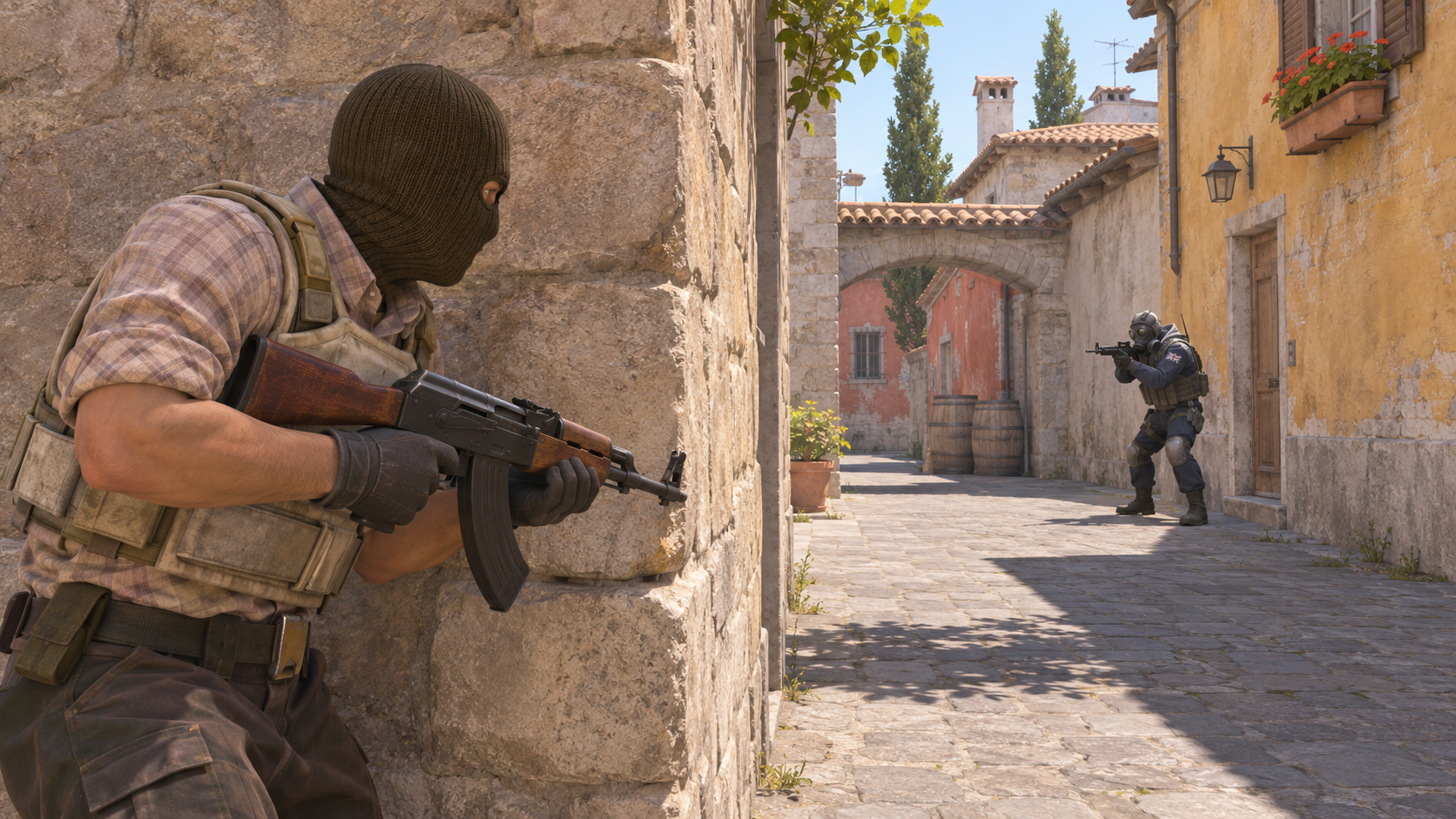
Check a corner you struggle with by recording both players’ POVs. Have a friend hold one position while you first peek close to the wall, then repeat from farther back. Compare when each player’s body becomes visible, including shoulders and legs. Looking only at the line between your crosshairs misses that extra exposure.
After moving back, check which other positions can see you and how far you’d need to move to reach cover. A better view around one corner can come at the cost of exposing another angle.
Network delay also affects peeker’s advantage. A match clip alone can’t show how much of the outcome came from corner geometry, so keep the two explanations separate when reviewing the duel.
6. Crouch-Spraying Out of Habit
Your opening burst misses, so you crouch and keep spraying. You meant to get back behind the box, but now you’ve committed to a spray duel in the open. Crouching on reflex makes it harder to use the exit you planned.
Crouching can improve accuracy and lower your head position, but it also slows your movement. That can suit a fight where you’ve chosen to stay and spray. If you meant to fire a short burst and fall back, the slower movement works against your plan.
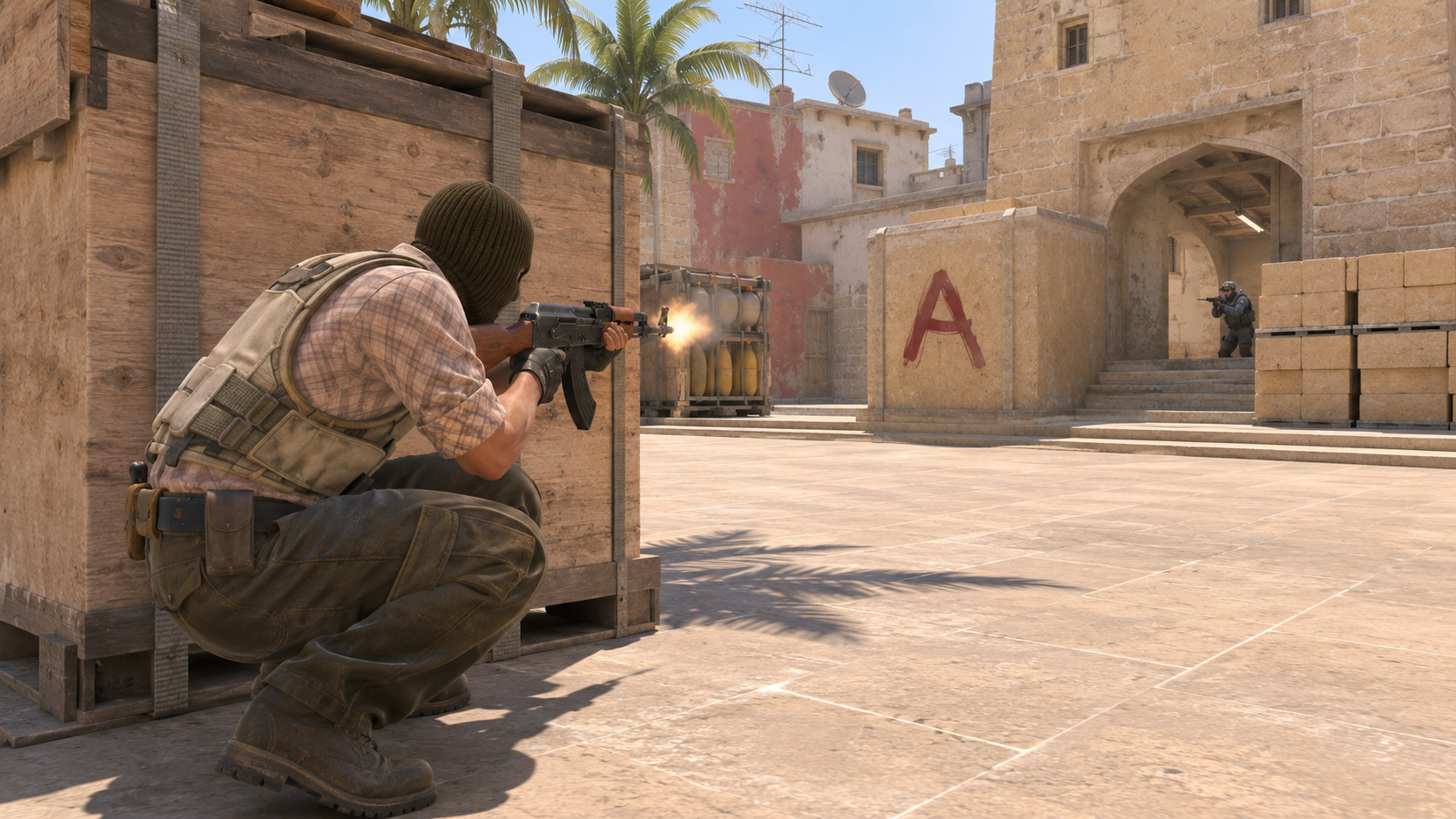
Practice the burst and retreat beside cover, using a stationary target. Start hidden, strafe out, counter-strafe, fire a short burst and get back behind cover. Limit yourself to two or three bullets for this drill, then reset before the next attempt.
Count a rep as clean when you make it back without an accidental crouch or extended spray. Once you can repeat that comfortably, try it against a friend who shoots back. Check that you still use the planned burst instead of dropping into a crouch spray under pressure. Against a live opponent, you’ll also need to judge if there’s still room to retreat.
7. Repeeking Without Changing the Fight
You take contact, fall back and immediately swing the same edge again. The defender now knows where you’ll appear and can hold their crosshair there. You’ve made the next peek easier to read.
Before you repeek, know what’s changed. A teammate can flash you out or get into position to trade, and you may have room to peek from somewhere else. If you’re going out alone again into the same hold, stay covered and set up a better peek.
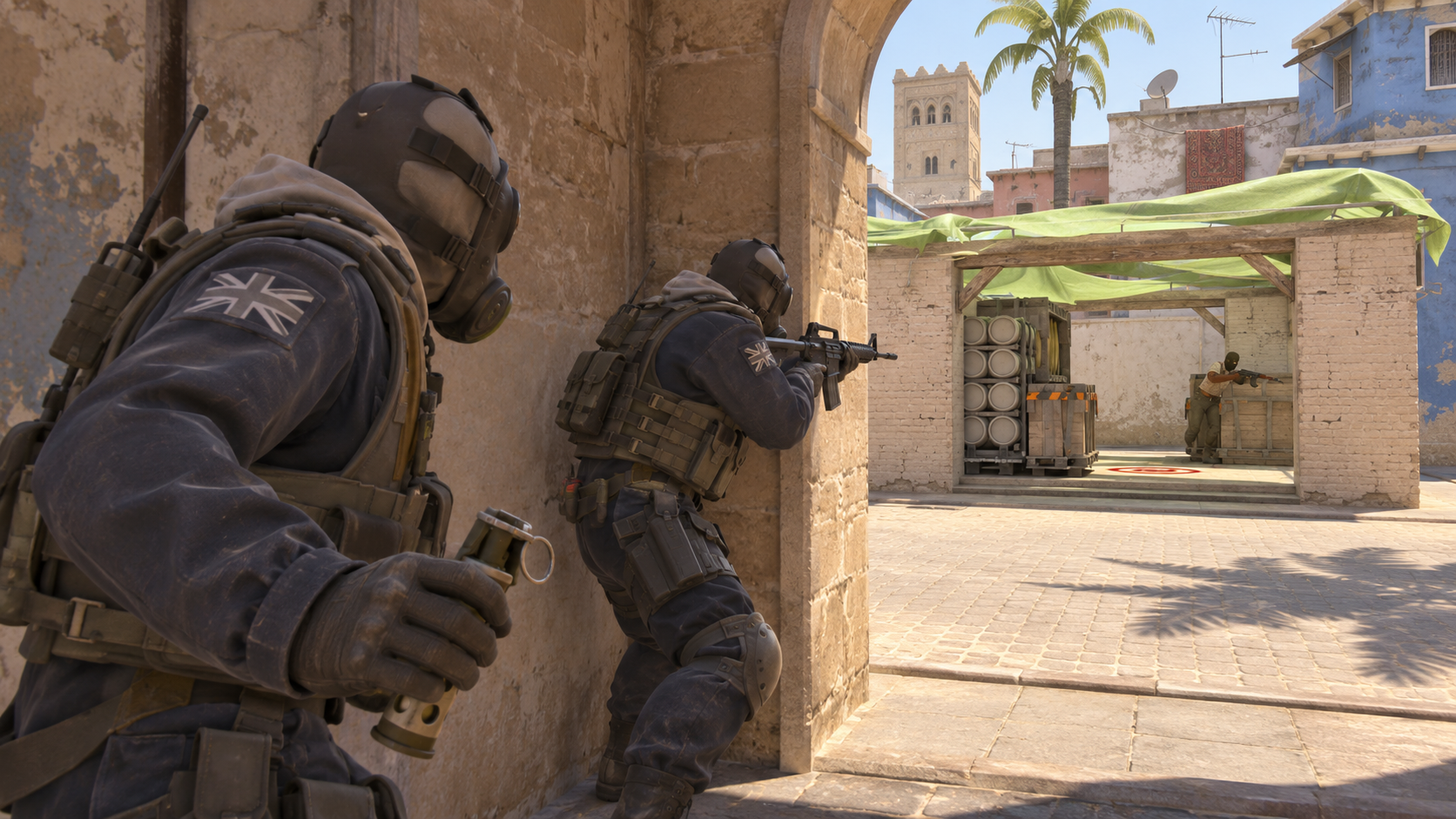
Say you take contact from Market on Mirage B. You don’t have to challenge the same defender alone just because you’ve already peeked them. A teammate coming from Short can help once they can see the player you’re fighting. Call the swing and wait until they’re ready, instead of assuming a nearby player can trade you.
Trading a teammate or denying a plant or defuse can justify an immediate repeek. When you have time, set it up first. Plan your retreat before swinging, too. Getting tagged can slow you down, and a long run back to cover gives the opponent more time for a follow-up shot.
Use map-specific retake practice if you keep losing this fight on the same site. With friends, keep the starting positions fixed and change the support for the second peek. Compare a solo repeek with a teammate flashing you out or following to trade.
Build a Practice Session Around One Movement Fix
Pick one mistake from the opening table. For shot timing, use the counter-strafe drill above. For overpeeking, find a round where you opened an unnecessary second angle, then return to that corner in practice.
Choose a starting point behind cover and the first position you’ll clear. With two friends, put one in that position and the other at the angle you want to keep blocked. Make ten attempts from the same starting point. After each one, ask the second player if they could see you before you finished the first fight.
Record each time the mistake happens, even if you get the kill. That applies to an early shot or an accidental crouch as well as overpeeking. The aim maps versus aim servers guide can help you choose where to practice, from fixed targets to fights against real players.
Use CS2 warmup servers to practice the fix against real opponents. They’ll change direction, catch you retreating and force you to adjust. Keep tracking the mistake throughout the session, even when you’re tempted to chase a better score.
After your next match, review three similar duels, including a win if you have one. Check if the original mistake returned and where it happened. Use the clearest example to choose what to work on next.