
How to Train Sound Cues and Footstep Discipline in CS2

You are alone in a clutch, the bomb is planted, and the round is still winnable. Then one bad sound cue gives the CT the round. You stomp while repositioning, reload after contact, or miss the CT tapping the defuse. Now the CT knows where the noise came from, no longer has to guess your position, and can hold, swing, or stick the defuse with better info than you.
That is why sound discipline matters in CS2. Almost every in-game sound can decide a clutch, retake, or post-plant. Footsteps, reloads, scope sounds, jumps, ladder movement, grenade sounds, bomb plants, and defuse taps are not background noise. They are round data.
This guide breaks down how to train sound cues in CS2: how to listen for key audio, when to shift-walk instead of run, when making noise is worth the risk, and how to repeat those decisions in Duels, Retake and Personal Matches and 2x2 on xplay.gg.
Sound Cues Are Information, Not Background Noise
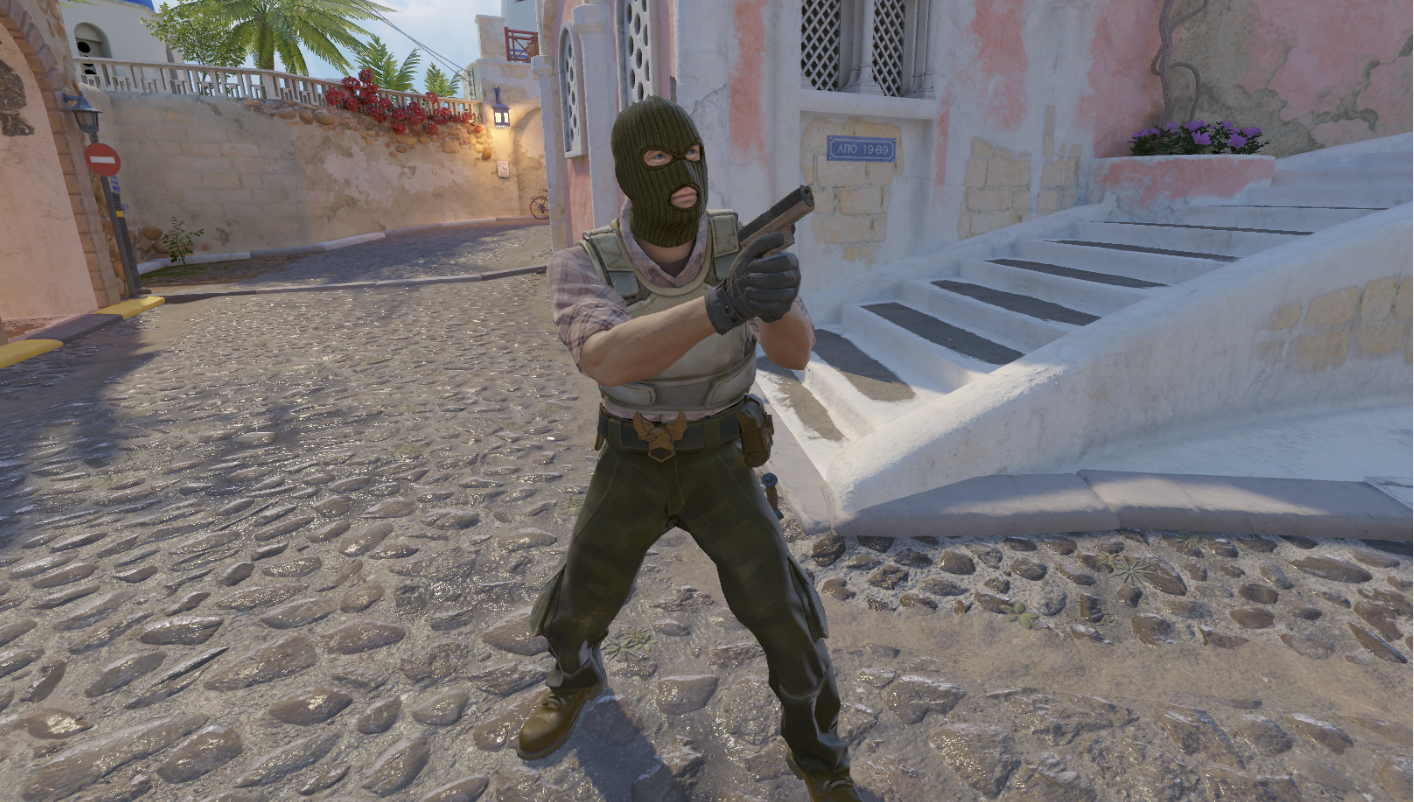
Sound in CS2 gives you clues, and many rounds are decided by who reads them faster. Footsteps can reveal a close player or a rotation. A reload can give you a timing to swing. Scope sounds, jumps, ladders, plants, defuse taps, and grenades can tell you what the enemy is doing before you see them.
It works both ways. Running through a choke, reloading after a fight, jumping near an angle, or tapping the bomb too early can give the other team free info. Good players punish those cues fast. Sound discipline doesn't mean walking everywhere. You still need to run, fake, rotate, and force reactions. The point is to know what your noise gives away before you make it.
Watch for footsteps, reloads, scope sounds, jump landings, ladder movement, bomb plants, defuse taps, grenade pulls, and fake sounds. Each cue helps answer one question: is the enemy close, rotating, planting, defusing, setting up utility, or baiting? Do not overreact to one sound. One footstep is not always a full rotate, and one defuse tap is not always a stick. Treat sound as a clue, then check it against the timer, teammate info, utility, and last known positions.
Learn Which Actions Reveal Your Position
Most sound mistakes happen because you do them without thinking. You run to a new angle because you want to get there faster. You jump near a corner because it feels normal. You reload after one kill because it feels safe. You scope, climb a ladder, tap the bomb, or start planting without asking yourself one simple thing: can someone hear this?
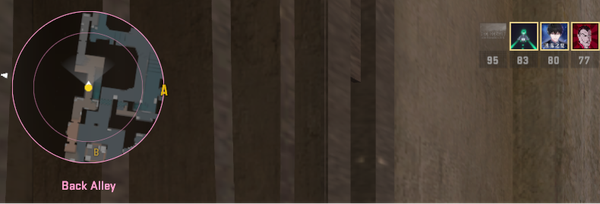
Use the ALT sound circle to check this in-game. Hold ALT while moving and look at the circle around your player icon. That circle shows the distance where your movement sound can be heard.
Noise is not always bad. Sometimes you have to rotate fast. Sometimes the bomb timer is too low and walking everywhere will lose the round anyway. Sometimes the enemy already knows where you are, so being silent doesn't change much. You can also use sound on purpose: fake a rotate with a few steps, tap the bomb to force a peek, reload bait when you're ready for the swing, or make noise in one spot before holding another.
It's also easier to hide when something else is covering it. If you hear your teammate fighting or a grenade exploding for example, it gives you time for a short reposition. That doesn't mean you should stomp everywhere. It means you can sometimes move during the chaos instead of waiting for perfectly quiet timing.
The simple rule is: don't give away sound for free. Before you make a sound, think about what the enemy learns from it. Here are the main CS2 sound cues to watch for while practicing:
Use the table after lost rounds. Find the sound that gave your position or timing away.
Use Duels to Practice Calm First Contact After Sound
Go into Duels on xplay.gg and train one thing: the first sound before the fight.
Start with a simple Mirage-style contact. Hold an angle like Connector, Ramp, or Palace and let the enemy move first. When you hear a step, stay posted. Keep your crosshair on the spot where he has to appear and make him walk into the duel.
This fixes panic contact. Many players hear one step and instantly swing because they feel like they caught the enemy. In reality, they often turn a good position into a 50/50 fight. One footstep means the enemy is close. It does not always mean you should move first.
Run 10 Duel rounds like this.
- First, train footsteps. Try to understand what the enemy is doing based only on sound.
- Then switch to reloads and scope sounds. If you hear a close reload, punish it before the enemy is ready again. A scope sound means you shouldn't dry peek like nothing happened.
- Do it solo for first-cue discipline, then repeat it with a teammate who makes only one sound at a time: step, reload, scope, or jump.
This gives you cleaner first contact. You stop swinging every noise and start choosing the fight based on the sound.
For more 1v1 practice ideas, read Duels Drills Used by Pros: Micro-Scenarios to Sharpen Aim and adapt those micro-scenarios around footsteps, reloads, and scope sounds.
Use Retake and Personal Matches to Repeat Audio-Pressure Scenarios
Go into Retake on xplay.gg and train a Mirage A post-plant. Play from Tetris, Ramp, or Default while CTs come from Jungle, CT, and Stairs. Your job is to read the sound before you peek.
The main cue is the defuse tap. Many players hear it and swing instantly, which makes the CT’s fake work for free. Treat the first tap as pressure, not as an automatic peek. Hold for a second, listen for steps, and use the bomb timer. A late tap needs a faster reaction. An early tap can be bait.
Then practice an Inferno B afterplant using Retake mode.
- Play from Banana or Dark while CTs retake through CT and Construction.
- Listen for reloads, jumps onto site, and steps around the bomb. Do not reload after the first kill when the second CT can still be close.
- Keep your gun ready, hold the trade, and reload only when the danger is gone.

Go into Personal Matches to create a match with your own rules and train specific situations in CS2. Set up a Mirage A or Inferno B post-plant and repeat the same sound drill until it feels normal.
For Mirage A:
- Plant default and play from Tetris, Ramp, or Palace.
- Let the retaking player come from Jungle, CT, or Stairs.
- The retaking player can tap the bomb, fake one step, or reload bait.
- Hold your position and peek only when the sound gives you a real reason.
For Inferno B:
- Plant for Banana and play from Banana, Dark, or New Box.
- Let the retaking player come from CT or Construction.
- The retaking player can jump onto site, tap the bomb, or fake a reload.
- Keep your gun ready after contact and do not reload while the second player can still swing.
This gives you repeatable late-round practice. You learn when a defuse tap is real, when a fake step is bait, and when a reload sound actually creates a timing.
Use 2x2 when you want to train sound with a teammate, but without full-team chaos.
- Play a small-site retake or post-plant setup.
- One player gives short info only: enemy count, last known position, and bomb status.
- The other player stays quiet and listens for footsteps, reloads, defuse taps, or grenade pulls.
- After the round, check if the call helped or covered an important sound.
This helps you clean up team audio. You learn when to speak, when to stay quiet, and how to let your teammate hear the cue that actually decides the round.
This gives you better late-round control. You stop over-peeking fake defuses, stop reloading in front of trades, and get used to reading bomb sound, movement, and timing together.
To build controlled sound drills with friends, use Custom Rules for Private Lobbies: Only HS, WH Rounds & More and create Personal Matches where players repeat fake steps, bomb taps, and reload baits.
Common Sound Discipline Mistakes
Most sound mistakes in CS2 are small habits. You run too early, reload too soon, jump near an angle, or keep talking when someone needs to listen. None of this looks huge in the moment, but it gives the enemy free info.
- Running too early gives away your route and timing. Run when you need speed, like a fast rotate or low bomb timer. If the enemy still has to guess, shift-walk until the noise is worth it.
- Reloading after contact is another common throw. You get one kill, reload right away, and the next player swings because he hears it. Keep your gun out if another enemy can still be close. Reload only when you are actually safe.
- Jumping near an angle gives away more than players think. The jump or landing sound can tell the enemy you are close or about to move into a new spot. Walk the angle instead. Jump only when the position is worth the sound.
- Fakes need a purpose. A fake step, reload bait, or bomb tap should force a reaction you are ready for. If you tap the bomb, be ready for the peek. If you make one loud step, know which angle you will hold after it
- Comms can ruin sound too. In a clutch, retake, or post-plant, keep calls short. Say the important info, then let the player listen for footsteps, reloads, scope sounds, grenade pulls, and defuse taps.
- The easiest way to improve is to review lost rounds through sound. Look for the noise that gave the enemy the answer, then repeat that exact type of situation in the right practice mode.
Create one sound-focused drill on xplay.gg, then repeat it until footsteps, reloads, and defuse sounds trigger better decisions automatically.