
The Greatest In-Game Leaders of CS2 2026

The score is 10–10. Two teammates call different plays, the entry waits for a flash that never arrives, and the bomb is still in spawn when the execute should begin. That’s not an aim problem — it’s a leadership problem.
A strong CS2 in-game leader removes that confusion by setting a clear opening plan, making the final call, and adapting when new information appears. Good leadership cannot guarantee every round, but it gives five players the best chance to act as one.
On xplay.gg, Personal Matches let you repeat executes, setups, and timings in a private server; Retake develops post-plant decisions and communication; and 5x5 helps teams practice full-round calls and rotations — the same leadership skills demonstrated by the five standout CS2 IGLs in this 2026 list.
What Really Makes a Good In-Game Leader?
Experience matters, but it is not enough. A good IGL must turn information into a decision that five players can understand before the situation changes.
- Clear first plan. Before freeze time ends, every player should know the destination, pace, first utility, and their role in the opening contact.
- Information hierarchy. Not every comm deserves the same weight. The IGL has to separate useful information from noise and make sure the final call is unmistakable.
- Decisive adaptation. Strong captains do not abandon a plan because the round feels uncomfortable. They change it when a clear trigger appears, such as early utility, a spotted rotation, or lost map control.
- Review at the right time. During the round, the team needs a decision. After the match, the IGL should question that decision in the demo and identify the mistake made in the previous match.
Many successful IGLs accept support responsibilities because calling already uses a large share of their attention. Mechanics still matter, but the captain is judged by the quality of the situations created for the whole team, not only by the scoreboard.
Five In-Game Leaders Worth Studying in 2026
This list highlights five active CS2 in-game leaders whose calling styles, team systems, and leadership approaches are worth studying in 2026. It is not a strict ranking of the world’s best IGLs; each player offers a different example of communication, mid-round decision-making, tactical structure, or long-term team building.
apEX
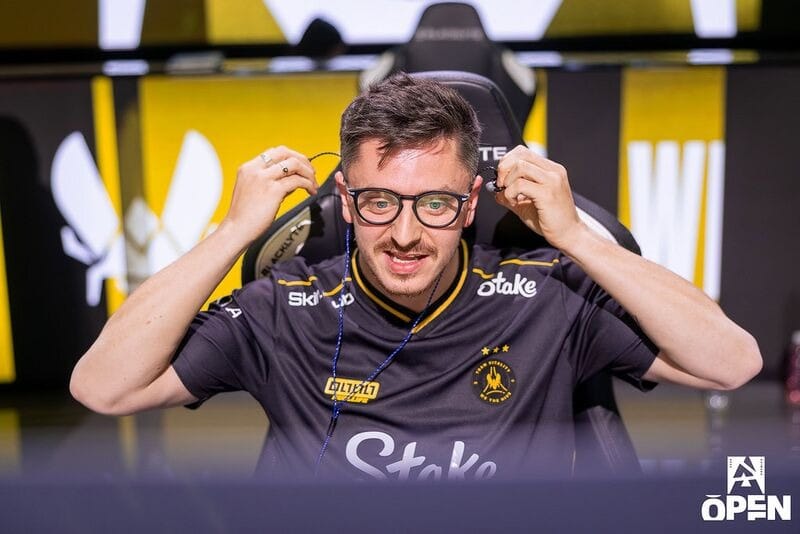
- Name: Dan "apEX" Madesclaire
- Country: France
- Team: Vitality
apEX brings far more than years of experience as an IGL. Before taking over as captain, he was widely considered one of the best entry fraggers in the world. That background still gives him an edge today. Unlike many captains, apEX can still take over crucial rounds with his own firepower when his team needs it most.
Under his leadership, Vitality finished as the world's best team in both 2023 and 2025. They also became the first team to win two ESL Grand Slams, achieving the feat back-to-back. The 2025 season was especially historic. Vitality won nine consecutive trophies, one of the most dominant runs in Counter-Strike history. Achievements like these firmly place apEX among the greatest in-game leaders not only in CS2, but arguably in the history of Counter-Strike.
karrigan
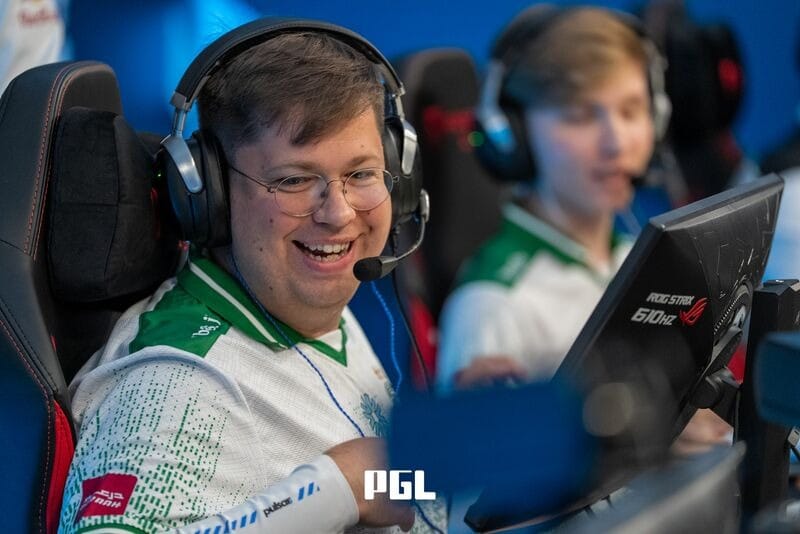
- Name: Finn "karrigan" Andersen
- Country: Denmark
- Team: Falcons
karrigan is another veteran who has spent more than a decade leading teams at the highest level. His career as an IGL began long before CS2, and nearly every roster he's captained has become a serious contender on the international stage. He's also played a huge role in developing some of Counter-Strike's biggest stars, including ropz, frozen, and NiKo. Years later, his path crossed with NiKo once again after both joined Falcons.
Not long after assembling the roster, karrigan led Falcons to victory at the IEM Cologne Major 2026, giving NiKo the first Major title of his career after more than ten years of competing. The impact of such an experienced leader was impossible to overlook. That tournament was memorable for another reason as well — karrigan became the oldest player ever to win a Major, proving that experience and leadership can still outperform raw mechanical skill.
Fans also love his energy on stage. Whether he's hyping up the crowd or feeding off their support, karrigan brings emotion that lifts the entire team during high-pressure matches. His individual rating may be one of the lowest among elite IGLs, but his results speak for themselves. No matter where he goes, his teams consistently compete for titles, making him one of the most valuable leaders Counter-Strike has ever seen.
FalleN
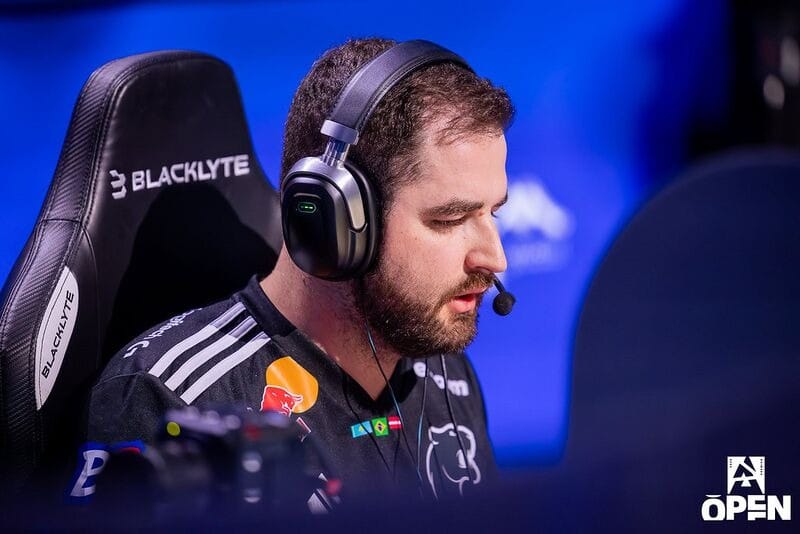
- Name: Gabriel "FalleN" Toledo
- Country: Brazil
- Team: FURIA
Throughout most of his career, he represented Brazilian teams and helped put the region on the map by challenging — and often defeating — the world's best. His legendary runs with Luminosity Gaming and SK Gaming during the CS:GO era saw his teams dominate the international scene for more than a year.
As his teams declined and he got older, many people believed his time at the top was over. But CS2 proved otherwise. He returned with FURIA and once again showed that experience and leadership can still win championships. Early in his career, FalleN combined the roles of AWPer and IGL — something very few players have ever managed successfully. That unique combination helped him win the two biggest tournaments of 2016: MLG Columbus 2016 and ESL One Cologne 2016.
Although he hasn't won a Major in CS2, he finished as the runner-up at IEM Cologne Major 2026 and also lifted several trophies throughout the 2025 season, proving that he can still compete at the very highest level. Towards the end of 2026, FalleN announced that he plans to retire from professional play. One thing is certain — his name will always be remembered as one of the greatest figures in the game's history.
Aleksib
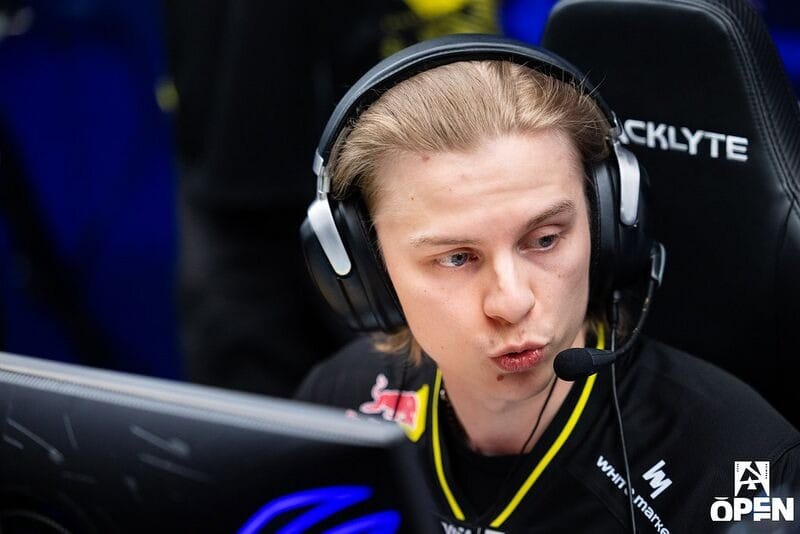
- Name: Aleksi "Aleksib" Virolainen
- Country: Finland
- Team: Natus Vincere
Aleksib has received plenty of criticism throughout his career. Because of his often modest individual ratings, many fans have called him the weak link on his teams. Time and time again, however, he's proven that great leadership can be just as valuable as raw firepower.
He first made his name with the Finnish roster ENCE, leading them to impressive performances at top-tier tournaments and even challenging the dominant Astralis lineup during their era of dominance. Later, he joined OG, where he once again built a competitive team with an entirely different roster, relying on his tactical approach and leadership.
When Natus Vincere rebuilt their roster in 2023, they put their trust in Aleksib and signed him as their new IGL. That decision paid off almost immediately. In 2024, the new NAVI lineup won the PGL Major Copenhagen 2024 and became Best Team of the Year 2024, proving that individual stats don't always tell the full story. Even when Aleksib isn't topping the scoreboard, his calling and decision-making continue to put his team in a position to win.
bLitz
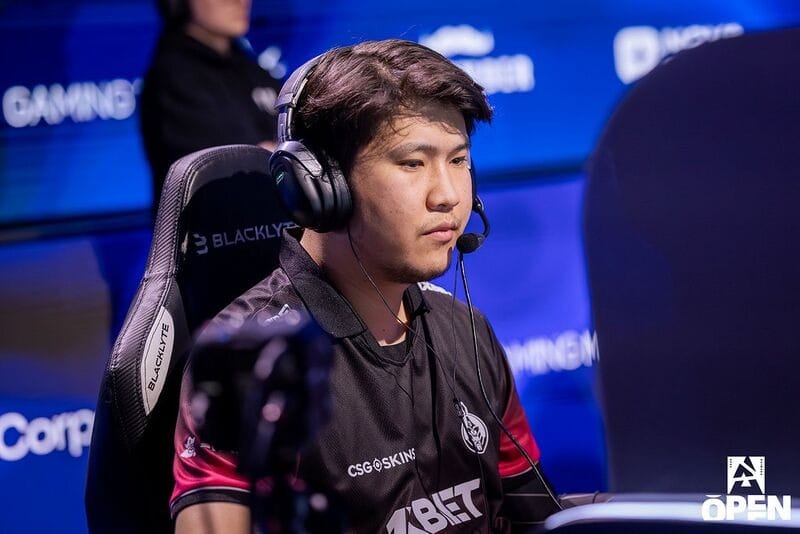
- Name: Garidmagnai “bLitz” Byambasuren
- Country: Mongolia
- Team: TheMongolZ
Coming from a region where Counter-Strike has never been among the biggest esports, bLitz accomplished something very few people thought was possible. He built a roster made entirely of Mongolian players and led them into the world's top five. With more than five years of experience on the professional scene, he helped develop a new generation of talent while proving that players from smaller regions can compete with anyone if they're willing to put in the work.
His biggest achievements so far include winning the Esports World Cup 2025 and finishing second at the BLAST.tv Austin Major 2025, where The MongolZ pushed Vitality to a hard-fought 2-1 Grand Final. That tournament firmly established them as one of the strongest teams in the world. Perhaps the most exciting part is that bLitz is still only 25 years old. With more experience under his belt, there's every reason to believe he can achieve even more.
How to Practice IGL Skills in CS2
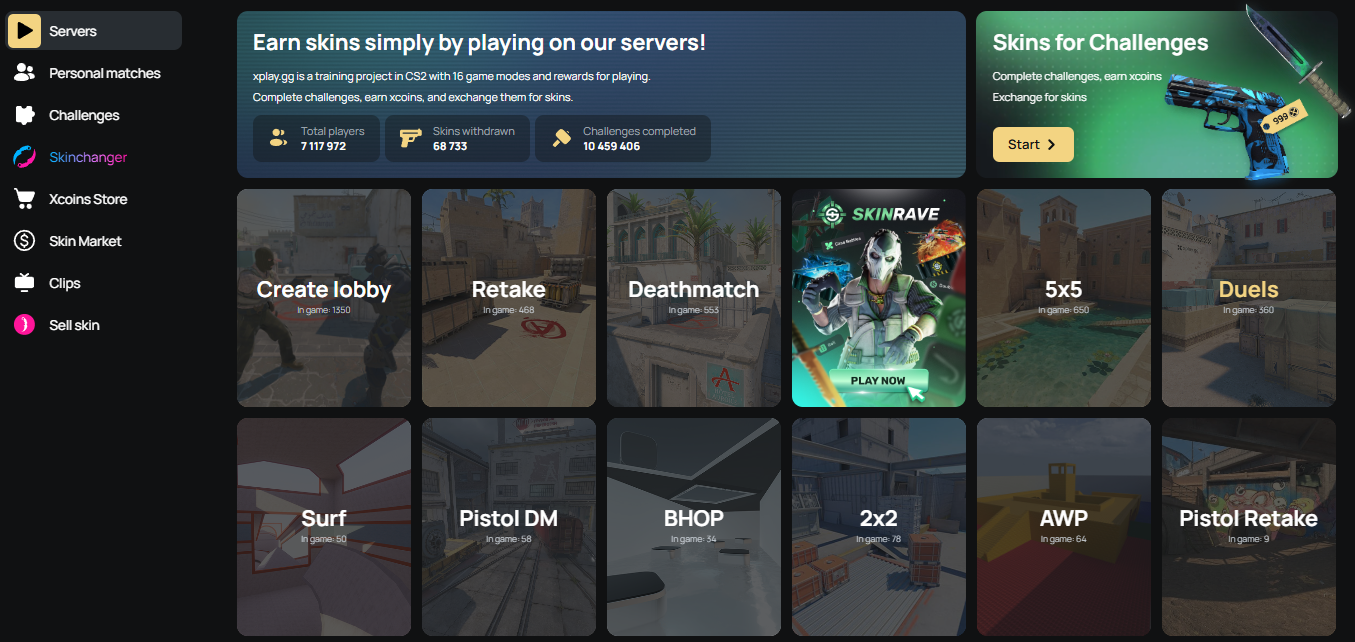
A failed round usually comes down to the plan, communication, timing, or execution. Identify what broke first, then use the xplay.gg mode that recreates the same situation and review one decision at a time.
| What keeps happening? | What it usually means | Best mode | What to focus on |
|---|---|---|---|
| Teammates talk over one another | There is no clear final caller, or the call is too complicated | 5x5 | Use short calls and confirm who owns the final decision |
| Post-plants collapse after a good entry | Roles and crossfires are not assigned before the plant | Retake | Set the first contact, trade kills, utility, and fallback position |
| Executes arrive at different times | The setup has not been repeated enough | Personal Matches | Repeat the same execute until every role and timing is clear |
Use 5x5 for full-round communication, Retake for post-plant decisions, and Personal Matches for repeatable executes. Run the same scenario several times before adding another strategy.
Common IGL Mistakes
- Making calls too complicated. Give the objective first, then add only the information teammates need to execute it.
- Changing the plan without a trigger. A mid-round adjustment should be based on new information, such as utility, numbers, bomb location, or lost map control.
- Leaving roles unclear. Every player should know the destination, pace, first utility, and their responsibility after contact.
- Reviewing too many mistakes at once. Pick one decision, change one variable, and repeat the scenario before discussing another problem.
A 20-Minute IGL Routine
Keep the session short and give each section one goal:
- 5 minutes - diagnose: choose one lost round and classify the failure as plan, communication, timing, or execution.
- 5 minutes - rewrite: rebuild the call with an objective, pace, first utility, and fallback trigger.
- 10 minutes - repeat: run the same scenario at least three times, changing only one detail after each attempt.
Before the next team session, choose one weakness: bad comms, poor post-plants, or desynchronised executes. Practice it in the xplay.gg mode that repeats the same situation until the team can complete it with a shorter, clearer call. Better in-game leading comes from repeatable decisions, and experience, not more words.