
How to Practice AWP in CS2 Without Building Bad Habits

Some players look incredible with the AWP in practice servers — fast flicks, flashy shots, nonstop kills. Then they enter a real CS2 match and die first every round because they repeek, hold obvious angles, or completely miss the timing window.
That’s the trap of bad AWP practice.
Grinding endless AWP kills can improve your mechanics while quietly building terrible habits at the same time. Real AWPing is not just aim — it’s positioning, angle discipline, peek timing, and knowing when to reposition instead of forcing another shot.
In this guide, we’ll break down how to use AWP DM, AWP servers, and Duels — including structured practice on xplay.gg — to build cleaner peeks, smarter holds, and decision-making that actually holds up in real CS2 matches.
AWP Practice Should Train Decisions, Not Just Flicks
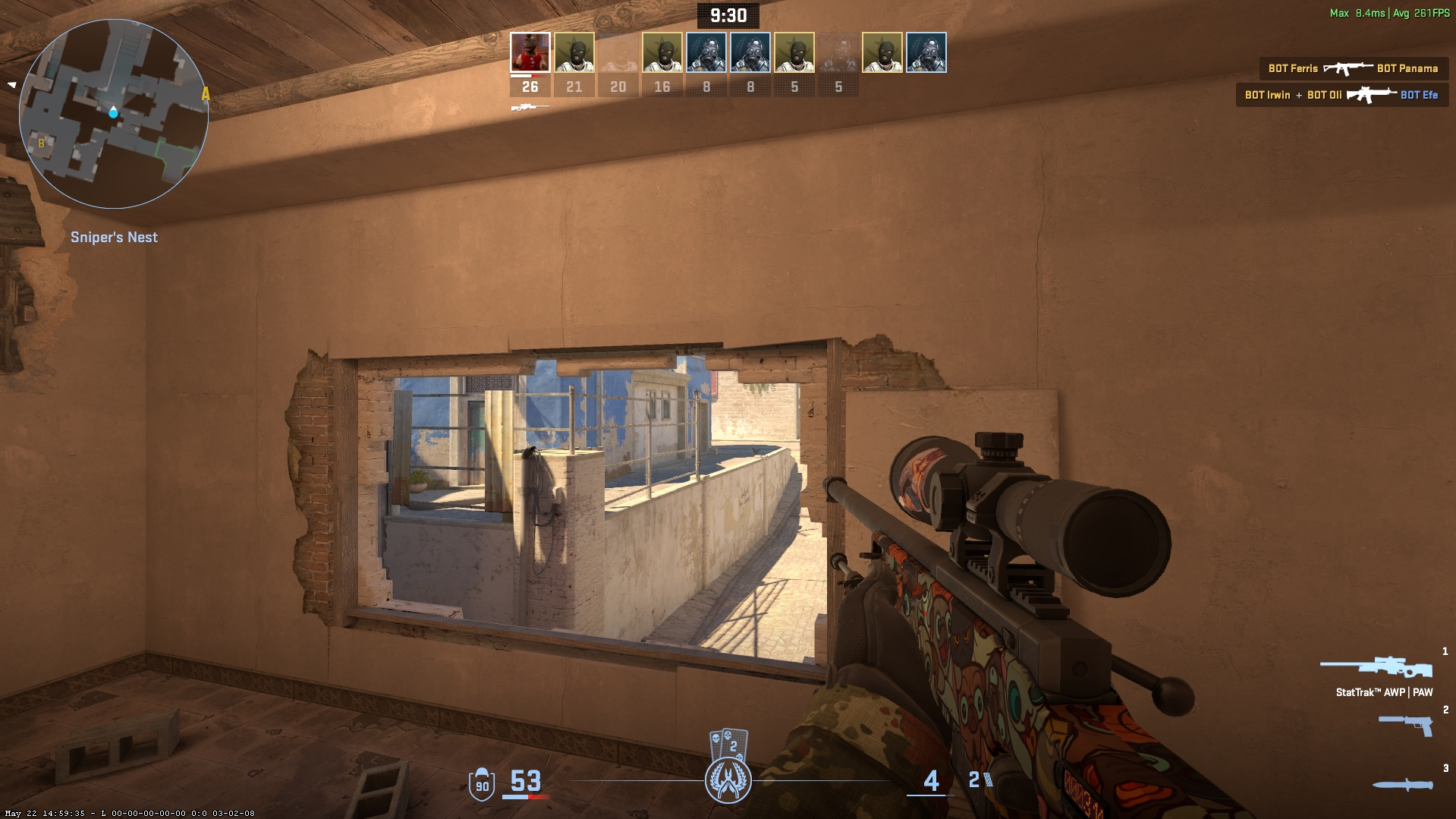
A lot of players treat AWP practice as pure mechanics training — flick faster, react quicker, hit more shots. But in CS2, raw aim is only one piece of the puzzle. AWPing is more about choosing the right moment to take a single, decisive shot.
Every meaningful AWP engagement comes down to decisions: which angle to hold, when to take the first shot, and when to leave before you get traded. A good AWP player is constantly evaluating risk versus reward.
That’s why angle choice matters just as much as aim. Holding a wide, predictable angle might get you one kill in practice, but in real matches it often turns into a free trade or gets you punished by utility. Timing is just as critical — peeking a half-second too early or too late can completely change the duel before it even starts.
Holding an angle is usually stronger when you already have information advantage or when the enemy must cross into your sightline. Peeking is better when you need information, when you are trying to break a default setup, or when staying passive gives up map control. The key is not choosing one style — but understanding which option gives you the higher chance of surviving the next 5 seconds.
Then there’s first-shot discipline. With the AWP, you don’t get second chances in most situations. Overflicking or panic-scoping turns winning positions into lost rounds. And finally, escape planning — knowing where you go after the shot is what separates consistent AWPers from highlight-reel players who die immediately after every kill.
Good AWP practice in CS2 should reflect all of this. It builds repeatable shot selection and positioning patterns.
Generally speaking, when practicing with the AWP, a player needs to develop both mechanical skills and decision-making skills. If we break these down, it would look like this:
The Bad AWP Habits That Practice Can Accidentally Create
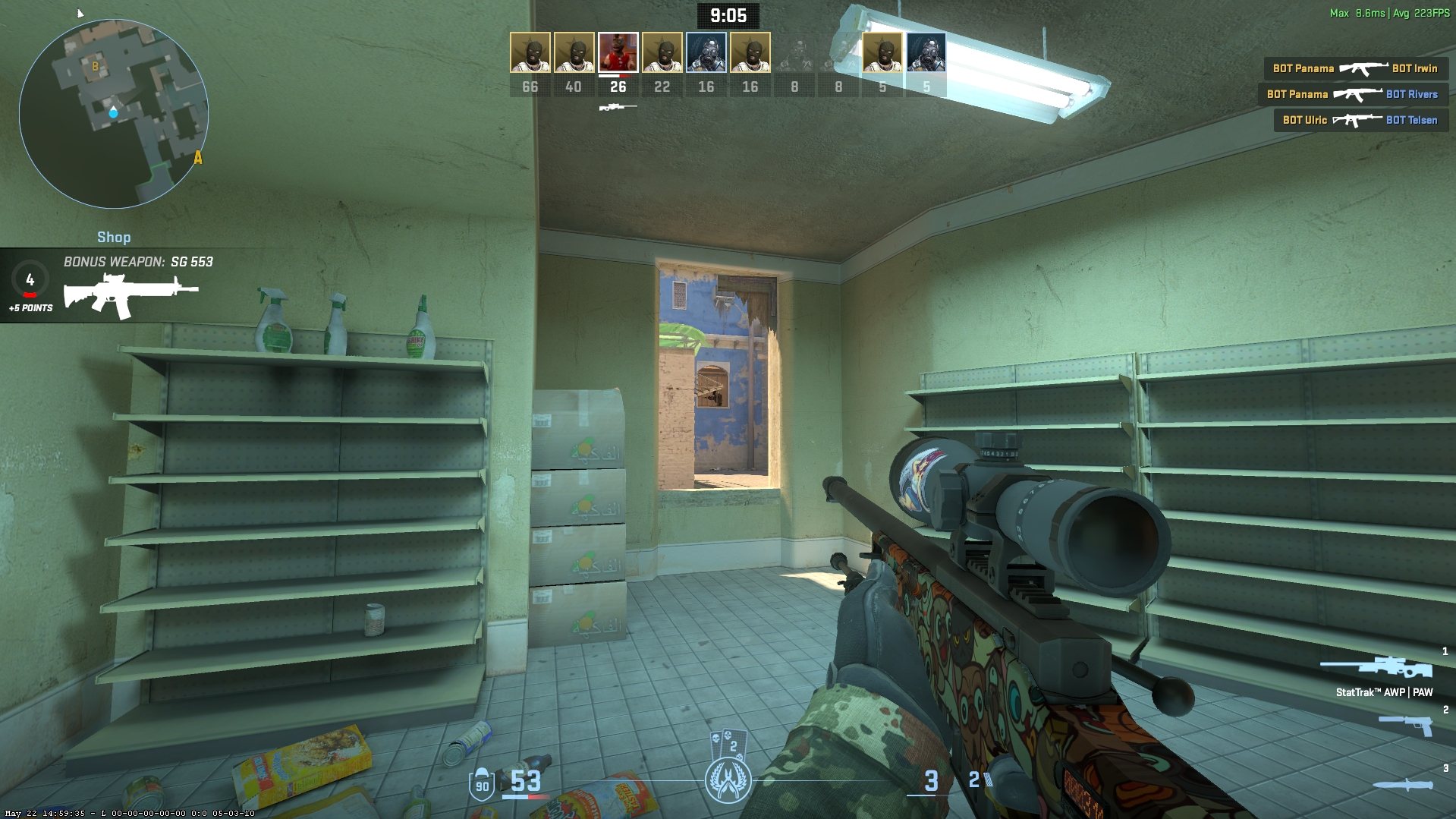
A lot of players unknowingly build habits that feel effective in DM but collapse completely in real CS2 matches like Premier, FACEIT, or team play.
The key problem is that AWP DM still produces kills even when you play badly. That creates a false sense of improvement. But in structured environments like Premier, FACEIT, or coordinated team matches, these habits stop working immediately — because opponents don’t just reappear in front of you after every death.
Use AWP DM to Build Mechanical Confidence
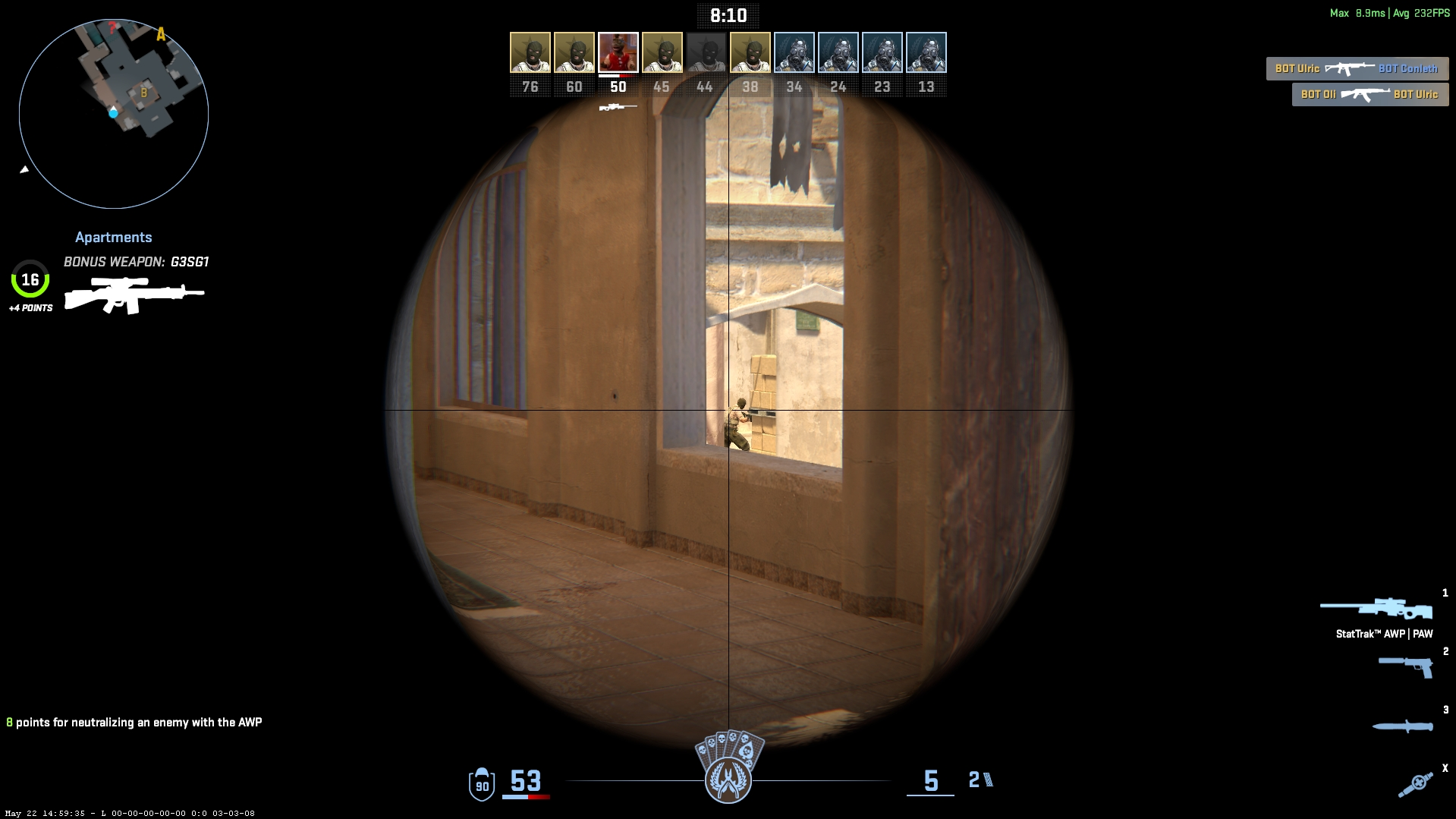
AWP DM has a clear purpose: it’s the fastest way to build mechanical confidence with the weapon. The constant stream of duels forces you to stay active, read targets quickly, and commit to shots without hesitation. Over time, this improves:
- Building flick rhythm and micro-adjustments
- Improving target switching under pressure
- Developing fast reaction habits
- Increasing comfort in chaotic multi-duel situations
If you want to understand how structured Deathmatch environments differ from random servers, check out our breakdown of the best CS2 Deathmatch servers in 2025 and why consistency matters for aim development.
But it’s important to understand what it is — and what it isn’t. AWP DM is not a match simulation. It doesn’t teach:
- Learning utility usage and timing
- Practicing round-based decision-making
- Understanding long-term positioning and map control
- Simulating real match pacing
- Developing team-based AWP roles and discipline.
It simply compresses dozens of AWP fights into a short period so you can repeat the mechanical part of the weapon as efficiently as possible.
Used correctly, it’s where you build speed and consistency in your aim. You learn how your crosshair moves between targets, how quickly you can stabilize after a shot, and how to stay composed when multiple enemies appear in quick succession. That repetition is valuable, especially for newer AWPers who still hesitate in real duels.
On xplay.gg, AWP DM servers are designed exactly for this kind of focused repetition — giving you continuous AWP fights without unnecessary downtime so you can build that mechanical base faster.
The key is to treat AWP DM as a tool for confidence, not as a complete training environment. If you separate raw mechanics from decision-making, you avoid carrying over bad habits into real matches while still gaining the speed and comfort you need to take duels confidently.
Use AWP and Duels to Transfer Mechanics Into Real Fights
Once your raw mechanics are warmed up, the next step is learning how to apply them in realistic situations. This is where AWP and Duel-focused modes become essential. Unlike pure DM, these formats slow things down just enough to introduce structure — real movement, real spacing, and real punish potential for bad decisions.
The key difference in Duels is that every mistake has immediate punishment. If you repeek, you die. If you hold too long, you get swung. If you overflick, you lose the timing. This makes Duels the closest environment to real match pressure without the complexity of full rounds.
For players who want an even more structured environment than standard duels, retake-style servers can further improve AWP decision-making under pressure — especially when it comes to timing and post-shot positioning.
In AWP and Duels, you start to feel the difference immediately. Opponents aren’t just running into your crosshair; they’re jiggle peeking, shoulder checking, counter-strafing, and punishing overcommitments. That forces you to think about peek timing, angle discipline, and whether you should take the fight at all — not just whether you can hit the shot.
This is also where positioning starts to matter more. Holding the same angle repeatedly becomes risky, and every missed shot has consequences. You’re no longer farming repetitions — you’re learning to survive and reset after each duel, which is much closer to real CS2 match conditions.
A simple but effective routine looks like this:
- 8 minutes servers AWP DM on xplay.gg — warm up mechanics, build rhythm, get comfortable with flicking and switching targets
- 8 minutes servers AWP/Duels on xplay.gg — focus on real duels, controlled peeks, and angle discipline against live opponents
- 4 minutes review — look at your deaths and identify patterns like bad repeeks, overpeeking, or holding predictable positions
On xplay.gg, AWP and Duel servers are especially useful for this transition phase because they give you repeated, isolated fights against real players without the full chaos of a live match. You get enough structure to think, but enough pressure to make it meaningful.
The goal here is simple: take the mechanical confidence you built in DM and force it to survive under real conditions. That’s how AWPing stops being random highlight shots and starts becoming consistent impact in actual games.
How to Review Your AWP Practice After Each Session
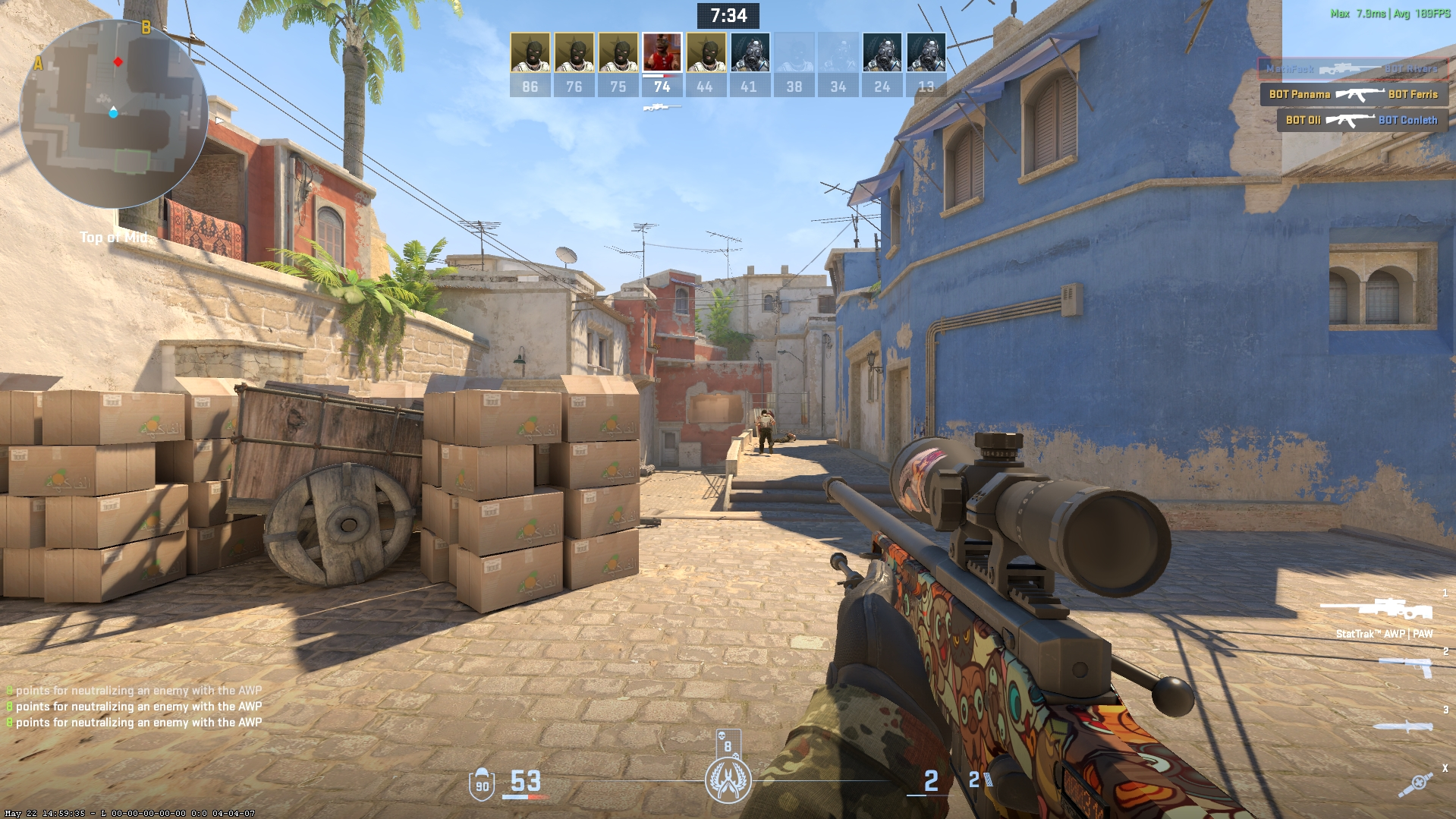
Most players completely skip this step — and it’s exactly why their AWP skill plateaus. Without review, practice turns into repetition. The goal after each session it’s to quickly identify patterns in your deaths and missed opportunities so you can fix the habits that actually cost you kills in real matches.
Start by focusing on a few high-impact categories:
- Missed first shots — Did you overflick, panic-scope, or shoot before fully confirming the angle?
- Unnecessary repeeks — Did you re-swing after a kill or after being spotted instead of repositioning?
- Bad fallback routes — After firing or missing, did you escape safely or stay exposed in the same line of sight?
- Over-scoping deaths — Did you hold an angle too long without repositioning, making yourself an easy timing kill?
- Low-value fights — Did you take duels you didn’t need to take, just because the opportunity was there?
To make this easier to track consistently, you can turn it into a simple post-session checklist:
This doesn’t need to be complicated. Even 3–4 honest notes per session are enough to reveal patterns over time.
The important part is consistency. If you notice, for example, that most of your deaths come from repeeking or staying scoped too long, that’s not an aim issue — it’s a discipline issue. And discipline is something you fix through awareness, not more DM time.
If you want to go beyond solo practice, custom lobbies with tailored rules are another way to isolate specific AWP scenarios like forced peeks, limited utility rounds, or angle-only training.
Conclusion
If your practice only rewards speed and highlight plays, it will eventually punish you in real matches where timing, positioning, and discipline matter far more than raw flicks.
The key idea is simple: separate mechanics from decisions. Use AWP DM to build comfort and confidence with raw aiming, use AWP-focused modes to apply controlled engagement patterns, and use Duels to pressure-test your decisions against real opponents. Then review your sessions and actively remove habits that don’t survive structured gameplay.
Even the best AWP training won’t translate if your game performance is inconsistent — make sure your setup and hit registration issues are not affecting your aim consistency.