How the CS2 Case Opening Industry Works

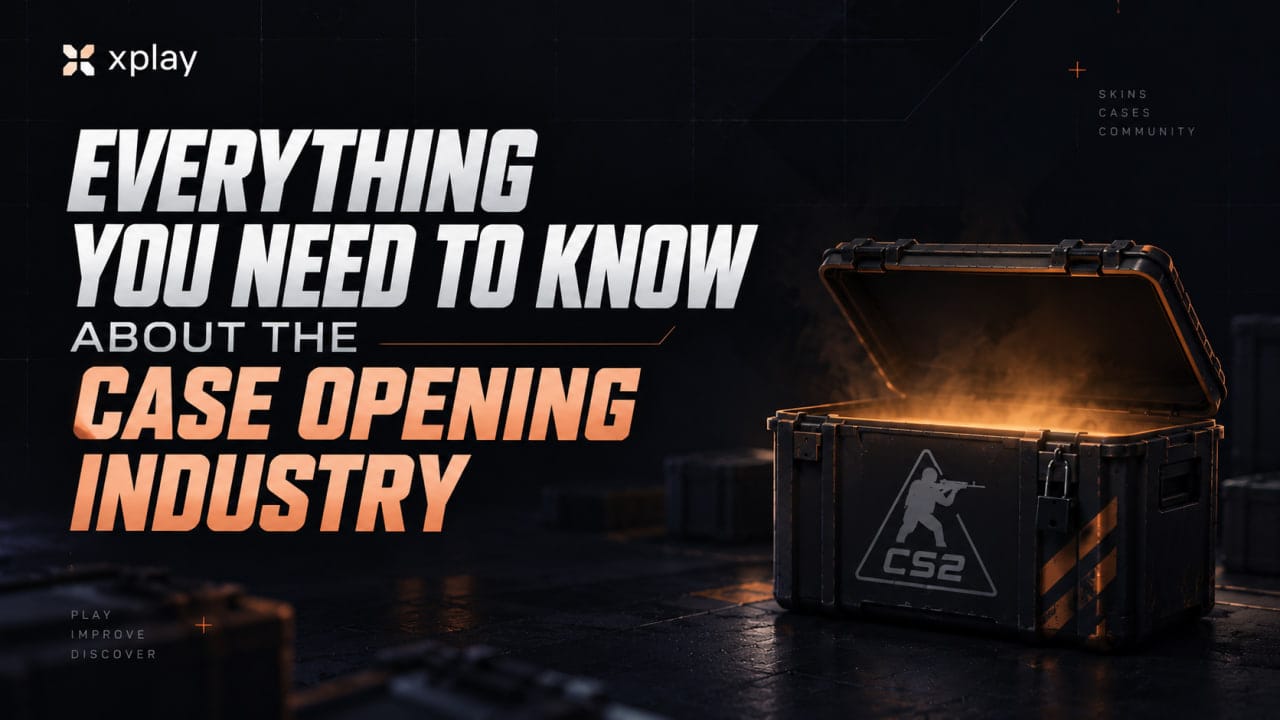
CS2 case opening means paying for a random item rather than buying a skin at a predictable price. Over many openings, the average return stays below what you spend; a higher RTP can reduce that gap, but it cannot predict the result of any individual opening.
This guide explains how official CS2 cases and third-party case-opening sites work, what RTP and house edge mean, and what to check — from visible odds to withdrawal terms and local availability — before depositing skins or money.
How CS2 Case Opening Works and What You Can Realistically Expect
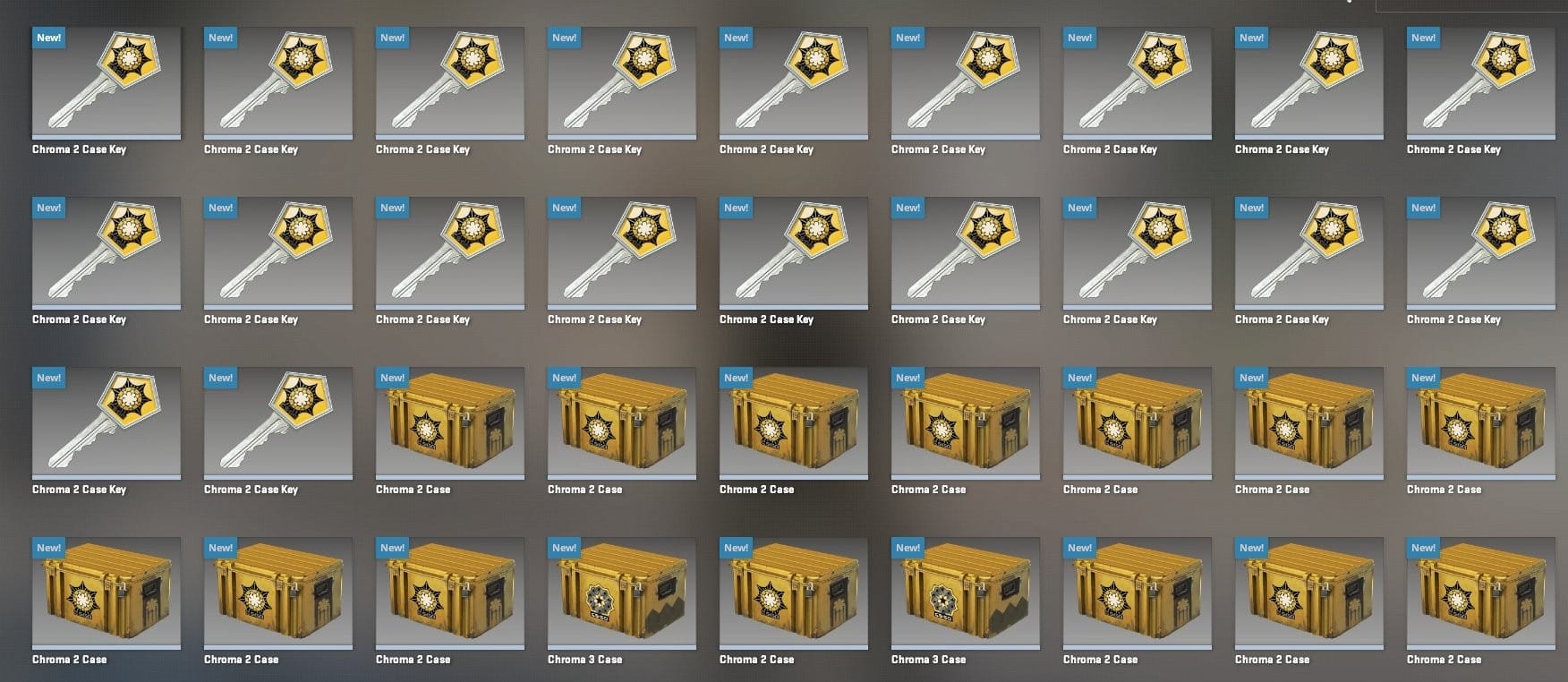
CS2 cases are digital containers with a fixed pool of cosmetic items. When you open an official weapon case, you receive one item at random; lower-rarity skins appear far more often than Covert skins or Exceedingly Rare knives and gloves. For a breakdown of official case drop rates and other ways to build a CS2 inventory, see our guide on how to get CS2 skins. Souvenir packages, sticker capsules, and music kits use different item pools, so they shouldn’t be treated as standard weapon cases.
On Steam, opening a weapon case requires the case itself and its matching key. The key costs $2.49 and is consumed after use. Third-party case-opening sites use their own virtual cases, item pools, prices, and odds, so the experience can vary from one platform and one case to another.
For third-party sites, the item pool is only part of the decision. Deposit methods, withdrawal terms, and local availability can vary between platforms, so players should check them before using skins or money.
How Much Are CS2 Cases Worth?
A case’s market price doesn’t tell you if opening it is good value. It shows what buyers will pay for the sealed container, while the value of opening it depends on its item pool, odds, and the current prices of its possible drops.
The cheapest cases in CS2 can cost just a few cents, while older discontinued cases may sell for hundreds of dollars. Price checked in 2026, the CS:GO Weapon Case was listed at around $152 on the Steam Community Market.
Case prices usually depend on:
- if new supply still enters the game;
- how many sealed cases remain in player inventories;
- the desirability of the weapon skins, knives, or gloves inside;
- collector demand for the case itself.
When a case is opened, that individual case is consumed and can no longer be traded. This can reduce the supply of sealed cases over time, especially after a case leaves the active drop pool. Still, an expensive case isn’t automatically worth opening: its market price may reflect collector demand, while the opening value depends on the exact odds and item pool.
How CS2 Case and Skin Trading Became a Major Market
Steam's Community Market gave players an official way to buy and sell CS2 items, while direct trading made it possible to exchange skins between inventories. That shifted skins from random cosmetic drops into items with visible prices and a player-driven market.
Rarity helped fuel that market. Desirable weapon finishes, knives, gloves, and discontinued cases were limited, while demand kept growing with Counter-Strike’s player base and skin culture. For many players, buying a specific item became more practical than opening cases and hoping to unbox it.
As the market grew, players wanted more ways to compare prices, trade items, and use the value locked in their inventories. That demand created space for marketplaces, trading services, and eventually third-party case-opening platforms.
Why Did Third-Party CS2 Trading and Case-Opening Sites Appear?
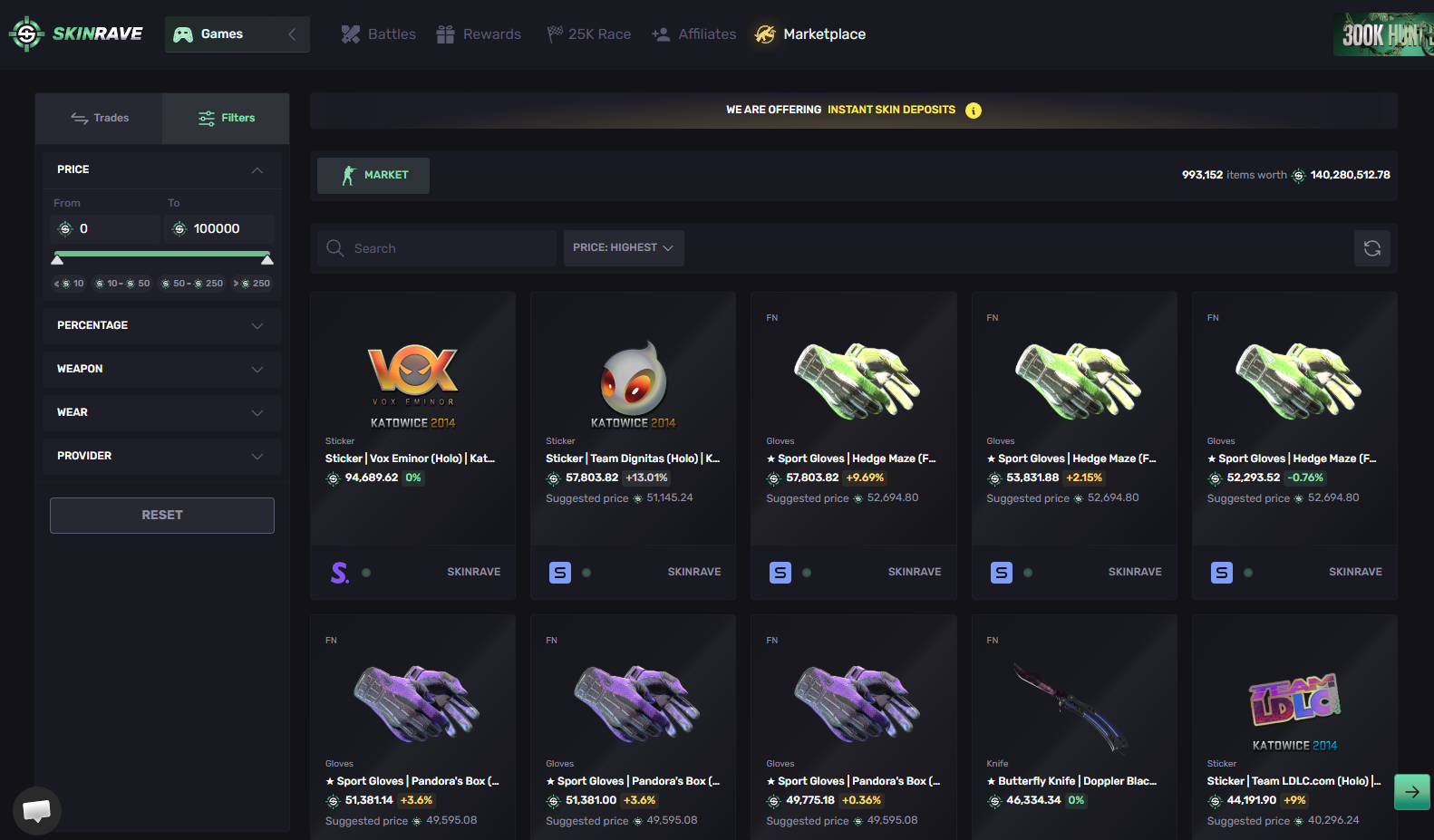
Once CS2 skins became valuable tradable items, players needed more than the options available through Steam alone. The Steam Community Market made it possible to buy and sell items for Steam Wallet funds, but it doesn’t let users withdraw that balance as cash.
Third-party platforms developed around those gaps. Some focused on skin trading, price comparison, and cash-market sales, giving players more ways to manage the value in their inventories. Others adapted the familiar case-opening format with their own case catalogs, price ranges, skin themes, and game modes such as case battles.
Together, those services turned skins from in-game cosmetics into the center of a broader CS2 economy. Players could collect, trade, sell, open cases, and use the same items across different parts of the ecosystem.
How Do CS2 Case-Opening Sites Work?
Case-opening sites use the same basic loop as official CS2 cases: you fund your account, choose a case, and receive a random item from its listed pool. The difference is that third-party platforms create their own cases, so the prices, item selections, themes, and odds can vary from one case to another.
Depending on the platform and your region, you may be able to deposit funds, skins, or other supported payment methods, even cryptocurrency. After opening a case, players can usually withdraw the item or exchange its credited value for another case, a case battle, or another available game mode.
Each custom case has its own house edge: the difference between the price you pay and the average value returned across many openings. A higher RTP means more value returned on average. Players should compare the exact odds and contents of the individual case they choose, then review the platform’s withdrawal terms before depositing.
Are CS2 Case Opening Sites Legit?
Some established third-party CS2 case-opening sites are real operating platforms, but “legit” is not a simple yes-or-no label. Before depositing skins or money, players should check several parts of the service:
- A provably fair system
- Clear odds for each case
- Transparent case contents, pricing, and item values
- A solid reputation in the CS2 community
- Reliable deposit and withdrawal processes
- Clear terms and conditions
- An established operating track record
- Secure Steam authentication and account protection
These checks answer different questions. A provably fair system can help verify that an individual result was not manipulated, but it does not guarantee that a platform will protect your deposit, process every withdrawal, or be available legally in your country.
Community reputation and a large player base are useful signals, but they are not enough on their own. Players should also review a site's withdrawal terms, security measures, and the exact odds of the case they want to open.
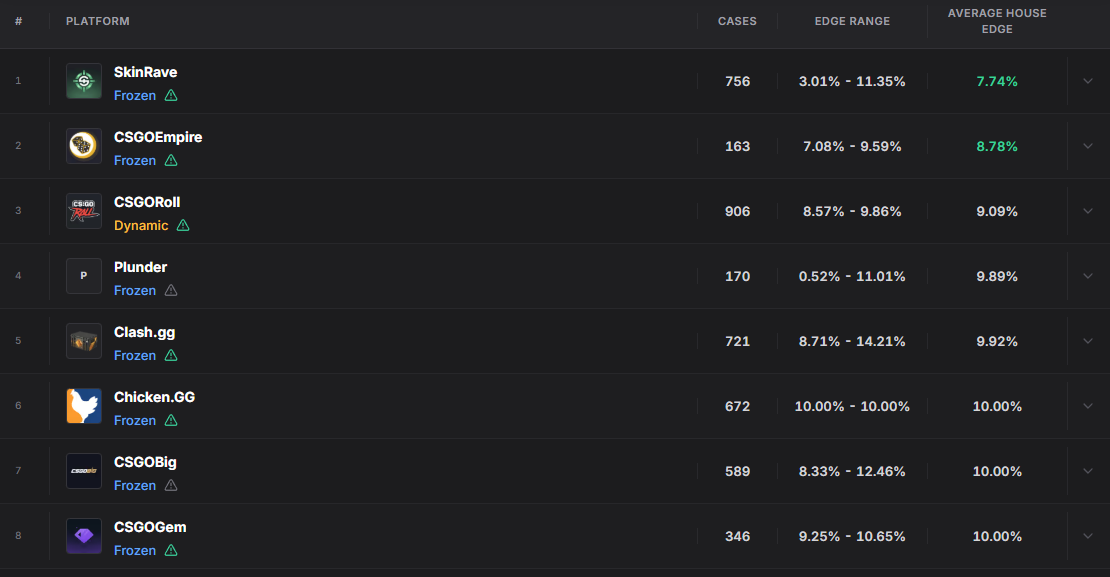
House edge is another useful comparison point because a lower edge means more of the opening price is returned on average over time. SkinRave had an average house edge of 7.74% in CaseLab.gg’s June 11, 2026 case-opening study, the lowest platform average in the dataset. That doesn’t make every individual opening profitable, but it gives players a clear data point when comparing case economics across platforms.
Is Opening CS2 Cases Worth It?
The value of case opening can vary significantly depending on the case and the platform. ROI and house edge help players compare how much value different options return over many openings.
According to CaseLab’s analysis of over 9,000 cases, the best case found on any CS2 case-opening site is SkinRave’s “Plain Jane,” with a 96.99% ROI.
By comparison, the best official Valve case as of September 2026, according to CSROI, is the eSports 2013 Winter Case, with a 69.69% ROI.
The gap between these figures shows why both the platform and the individual case matter. If you want to compare more official Valve options, see our guide to the best CS2 cases to open. A better RTP does not remove the luck from case opening, but it can give players more value for the money they choose to spend.
For most players, the appeal is opening themed cases, chasing rare items, or taking part in case battles. Comparing the odds, case contents, and RTP first helps players choose an option that better matches the value and experience they want.