
How to Control Recoil in CS2 (2026 Pro Guide)

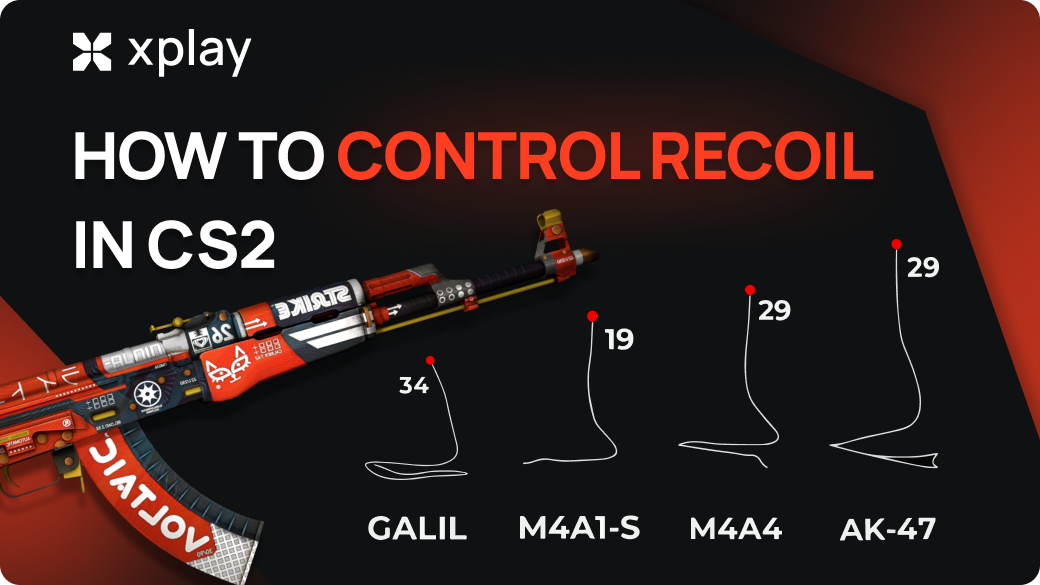
To improve shooting accuracy and overall performance in CS2, beginners should focus on mastering recoil control. This involves controlling the upward and horizontal movement of the weapon when firing.
In this article, the xplay.gg team will give you gun-handling tips that beginners should remember.
Highlights
- An explanation of what recoil is in CS2
- Essential tips for controlling recoil in CS2
It would help if you had a visible crosshair to make shooting comfortable. Our article, The Ultimate Guide to CS2 Crosshair and Codes, has something for you.
Our other guide is helpful: CS2 Best Practice Maps for AIM and Nades.
What is Recoil in CS2?
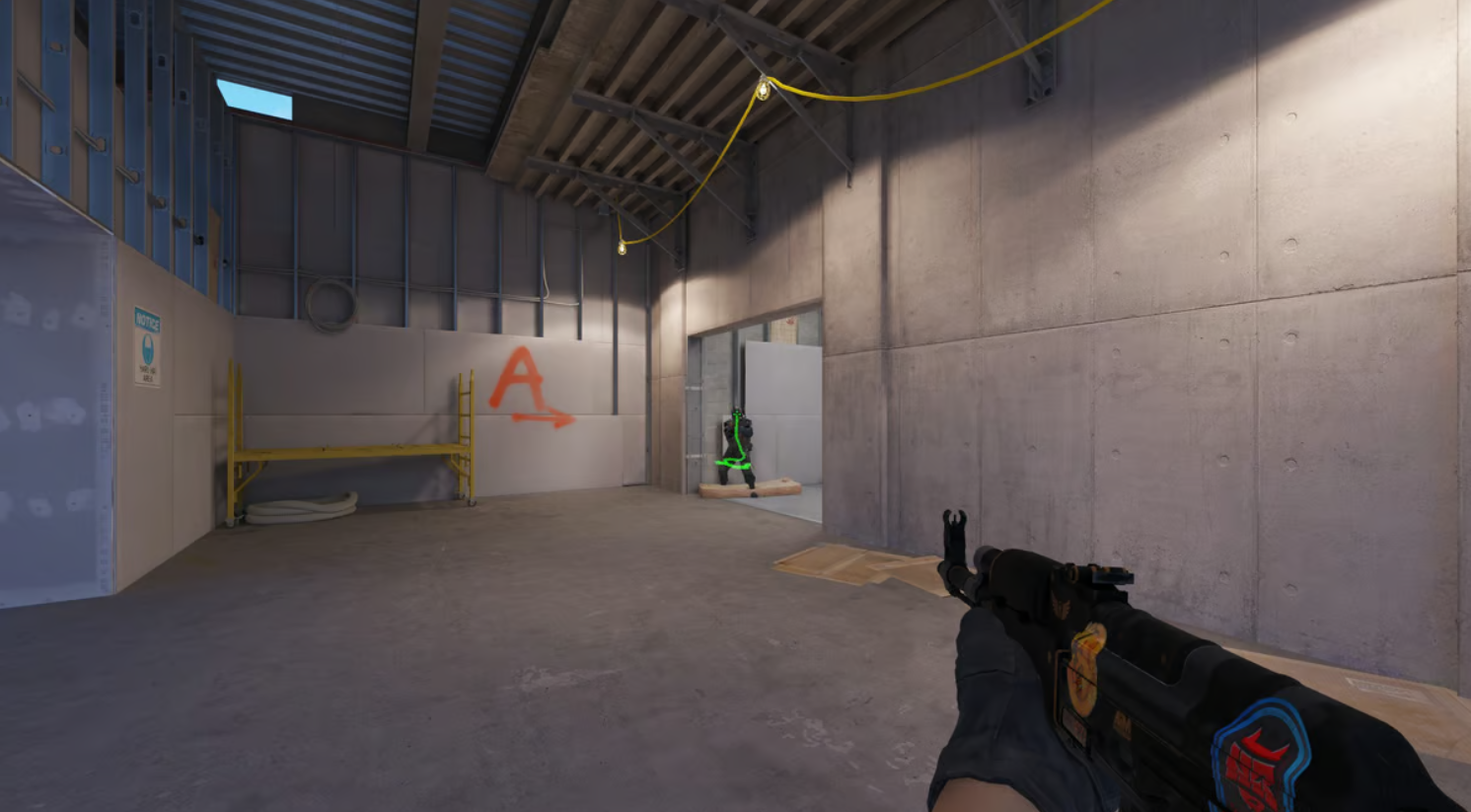
Mastering recoil control is crucial for excelling in multiplayer first-person shooter (FPS) games. It mimics the actual recoil of firearms, affecting accuracy and gameplay. CS2 continues Global Offensive's legacy by offering a subtle recoil system that combines spread and pattern-based recoil, making it unique among shooters. Here's how it works:
The recoil/spray pattern: when you fire, bullets don't just hit where the crosshairs point. They follow a specific trajectory that rises and deflects in a direction known as recoil or spray. This pattern changes slightly with each weapon type.
Spread: in addition to the predictable recoil pattern, there is an element of randomness. The spread introduces variation in the bullet's trajectory, increasing with movement and distance, forcing players to adapt constantly.
How to Learn Any Weapon’s Spray Pattern
The easiest way to figure out a weapon’s spray pattern is to test it on a wall. Stand still, hold down the fire button, and don’t move your mouse. The bullet marks will show the full spray pattern—first the vertical climb, then the horizontal shifts.
Next, your goal is to memorize that shape and counter it by moving your mouse in the opposite direction.
Repeat this exercise with each weapon until you start to feel the pattern and get a sense of the timing for its movements.
Workshop maps make training much easier. Using dedicated maps is one of the fastest ways to master spray control and improve your aim. Two of the most popular options are:
- Recoil Master – Spray Training – a map designed specifically for learning spray patterns. It lets you shoot at walls, see the bullet trajectory, and build muscle memory for every weapon.
- Aim Botz – a map for practicing accuracy on both moving and stationary bots. It helps combine spray control with precise aiming, improving reaction time and short-burst accuracy.
Regular practice on these maps makes your shooting more consistent and helps you adapt to any weapon faster in real matches.
We covered these maps in detail in our article “Best Maps for Aim and Reaction Training in CS2.” But improving your aim isn’t just about practice maps—you also need real server play. We explored this topic here.
For server practice, xplay.gg is a great place to start. The platform has a friendly community and plenty of training maps. And if you’d rather not play with anyone else, personal matches are also available to help you focus.
How to Control Recoil in CS2?
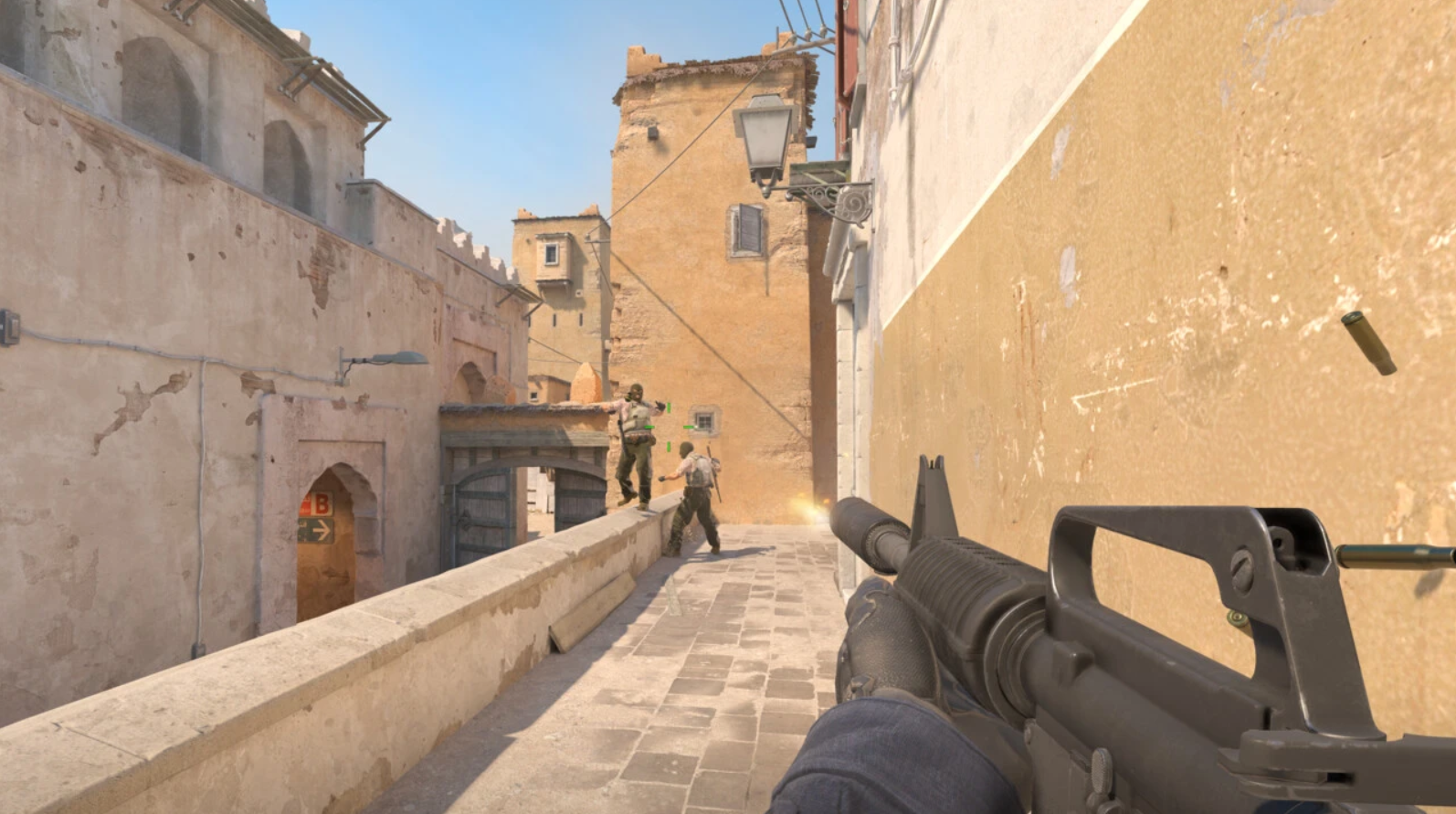
Knowing how to control spray in CS2 is a vital skill that can significantly enhance your gameplay and effectiveness in competitive scenarios. Here are a few tips that can help you.
Basic Technique
While random spray patterns from scatter and movement can't be mitigated, standing still gives you complete control over where bullets land.
This is where recoil reduction comes to the rescue. In CS2, this is done by making mouse movements during firing that mimic the opposite recoil pattern.
So, while shooting, performing these movements at the right time will result in a good grouping of bullets on the target.
Because the recoil has a set pattern, performing this action is more of a feel-good or "muscle memory" exercise than a reactionary reflex. The initial vertical rise is relatively easy to adapt to. Still, once the pattern progresses to the point where the bullets begin to move horizontally, it becomes more challenging to master.
It’s worth knowing that the first 3–5 bullets of any spray are the most accurate. They have minimal spread and are much easier to control, which is why most players focus on mastering short bursts before going for full sprays. Getting comfortable with these opening shots can make a huge difference in real fights.
Distance matters just as much. At close range, sprays feel tighter, so even if your control isn’t perfect, you’ll still land hits. But the farther your target is, the more noticeable the spread becomes—and even small mistakes can throw your aim off. That’s why you need to be more precise (and sometimes more aggressive) with your mouse control at range, while relying more on bursts than full sprays.
Follow Recoil in CS2: What It Is and How to Use It
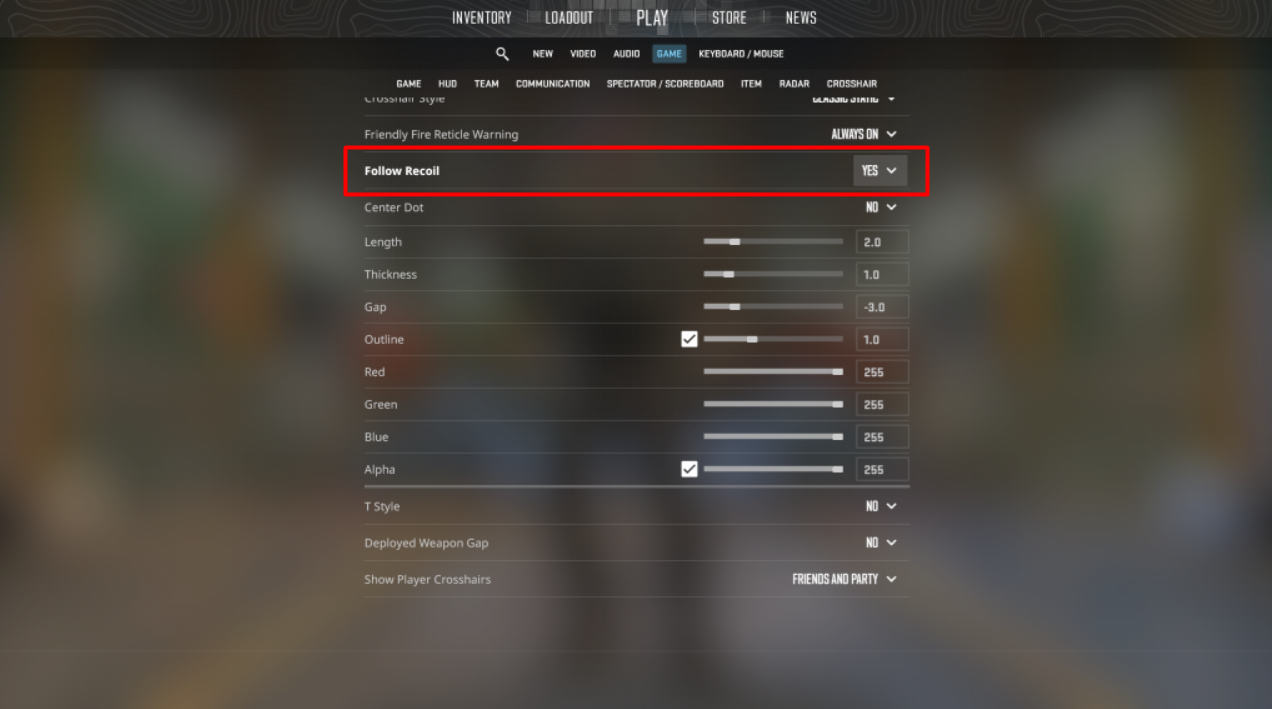
If you’re struggling with recoil control, the Follow Recoil feature in CS2 can help.
Follow Recoil is a crosshair setting where your crosshair moves along with the weapon’s recoil, showing the actual bullet trajectory while shooting. Normally, the crosshair stays fixed in the center of the screen, and players have to “feel” where the spray is going. With Follow Recoil enabled, the game visualizes this process—the crosshair rises and shifts side to side exactly like the spray pattern, letting you literally see it in real time.
This feature is especially useful for beginners and intermediate players, as it makes understanding recoil much easier. Instead of memorizing patterns on walls or studying guides, you get instant visual feedback. It helps you quickly recognize when horizontal movement starts and how much you need to compensate with your mouse.
The best way to use Follow Recoil is in practice. Don’t just watch the crosshair—actively try to counter it and keep it in one spot. This builds the correct muscle memory by training you to move your mouse in the opposite direction of the recoil. It’s particularly effective for learning the first bullets of a spray, since they’re the most accurate and often decide the outcome of a fight. Over time, you’ll stop reacting to the movement and start anticipating it.
That said, Follow Recoil isn’t something you should rely on all the time. A moving crosshair can be distracting and may hurt your precision in fast-paced situations. The best approach is to treat it as a training tool—use it to learn recoil, then gradually switch back to a classic static crosshair.
Advanced Recoil Control Techniques
Core Shooting Techniques in CS2: Tapping, Bursting, and Spraying
In CS2, there are three core shooting techniques—tapping, bursting, and spraying—and each one is used depending on the distance, weapon, and situation. Understanding the differences between them has a direct impact on your accuracy and recoil control.
Tapping
Tapping means firing single shots. Each click sends out one highly accurate bullet. This technique works best at long range, where even a small amount of spread can cost you the fight.
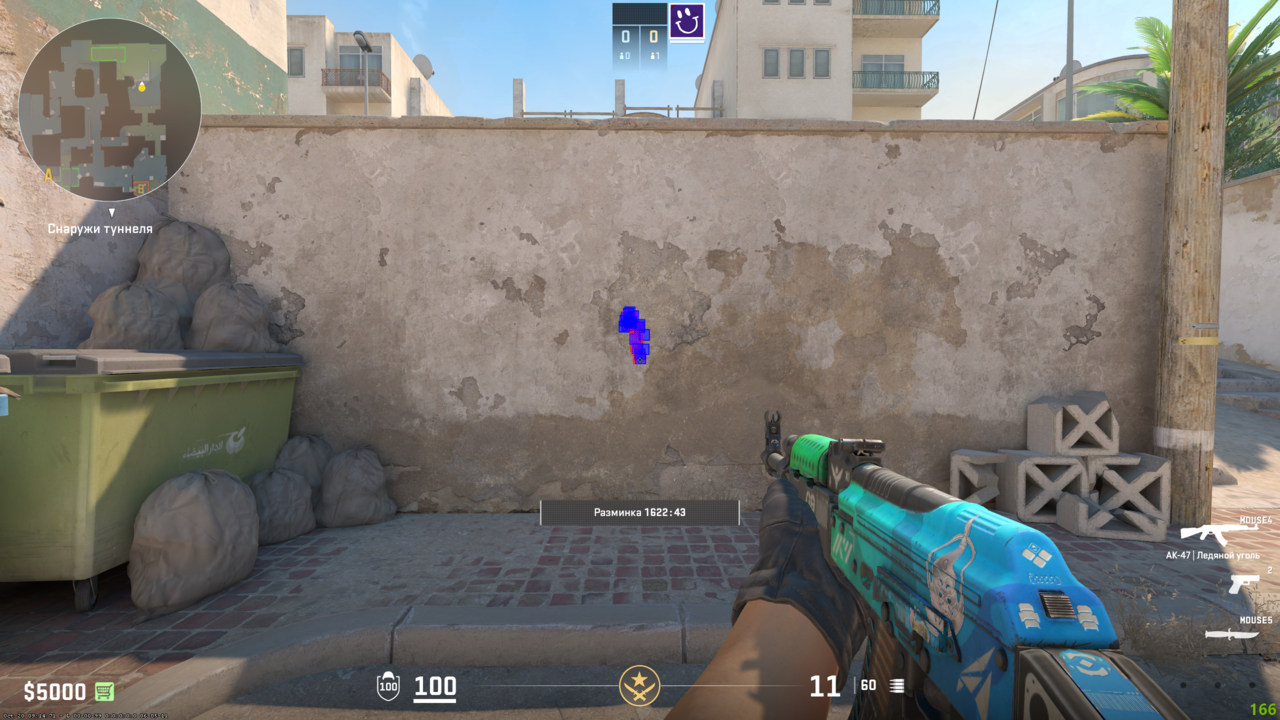
Tapping without control
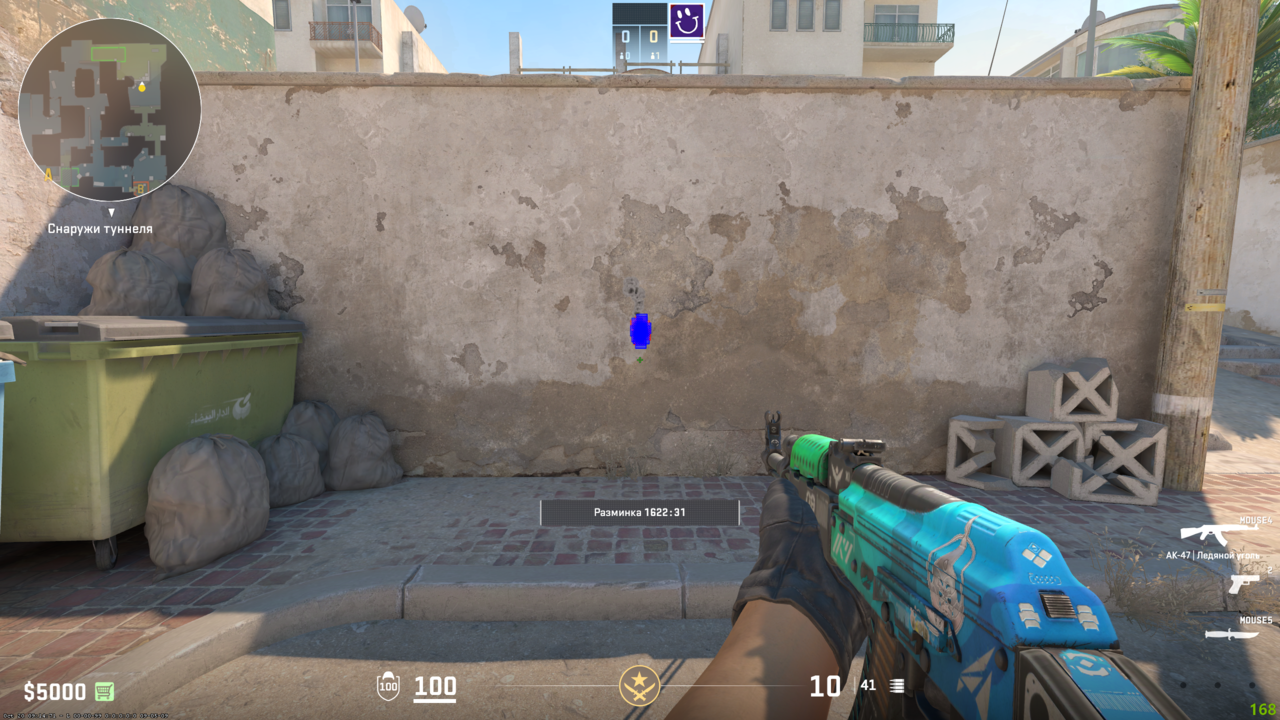
Tapping control
Tapping doesn’t require much spray control, but it does demand solid aim and timing. The key is to line up your shots and leave a slight delay between them so the recoil can fully reset.
Bursting
Bursting is firing short bursts, usually 2–5 bullets at a time. It’s the perfect balance between speed and accuracy. The first few bullets are very precise, and a short burst lets you deal more damage than tapping without losing control.
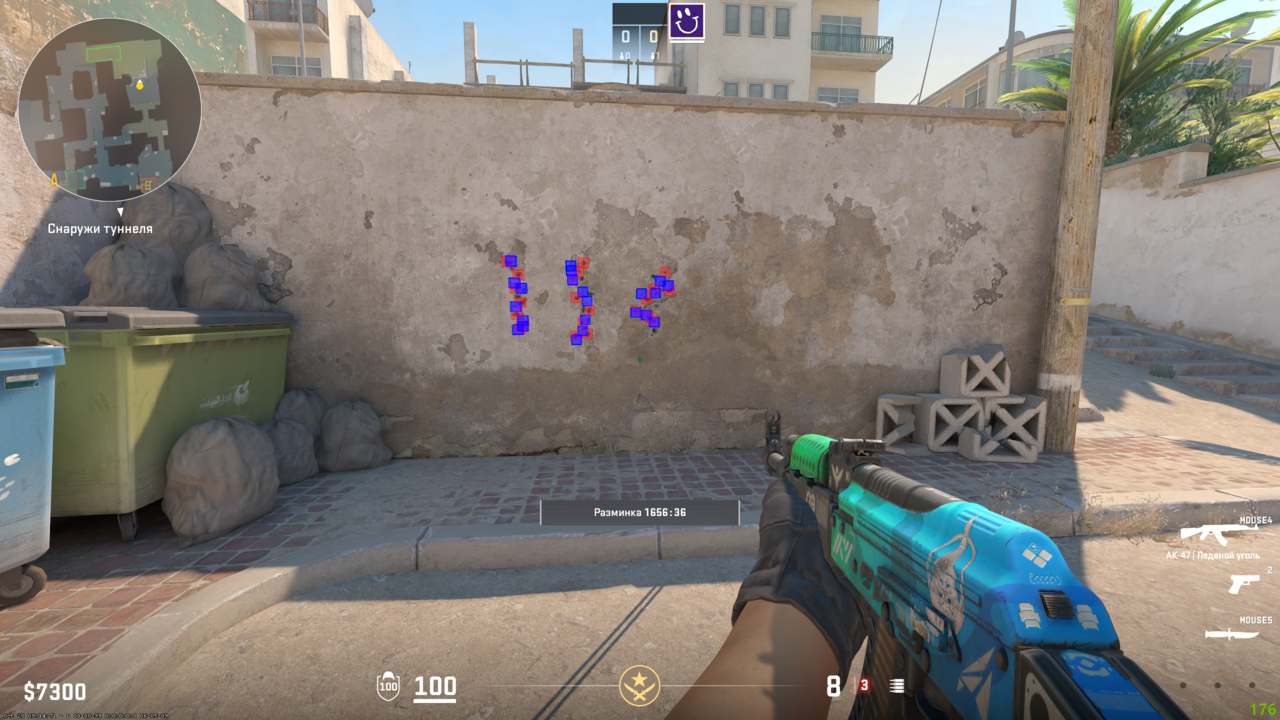
Bursting without control
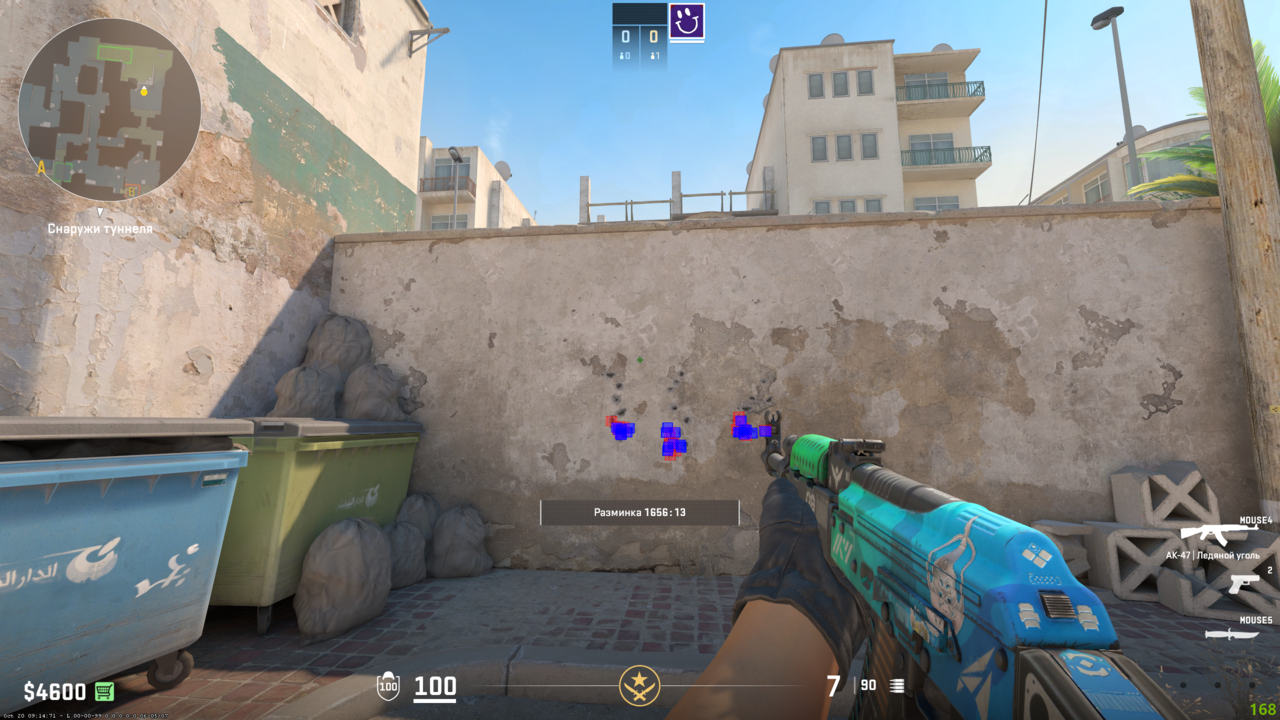
Bursting control
Bursting is especially effective at mid-range and is considered one of the most reliable techniques since it doesn’t require full mastery of long spray patterns.
Spraying
Spraying means holding down the trigger for continuous fire. This technique is most useful in close-range fights or when you need to quickly dump damage into an opponent.
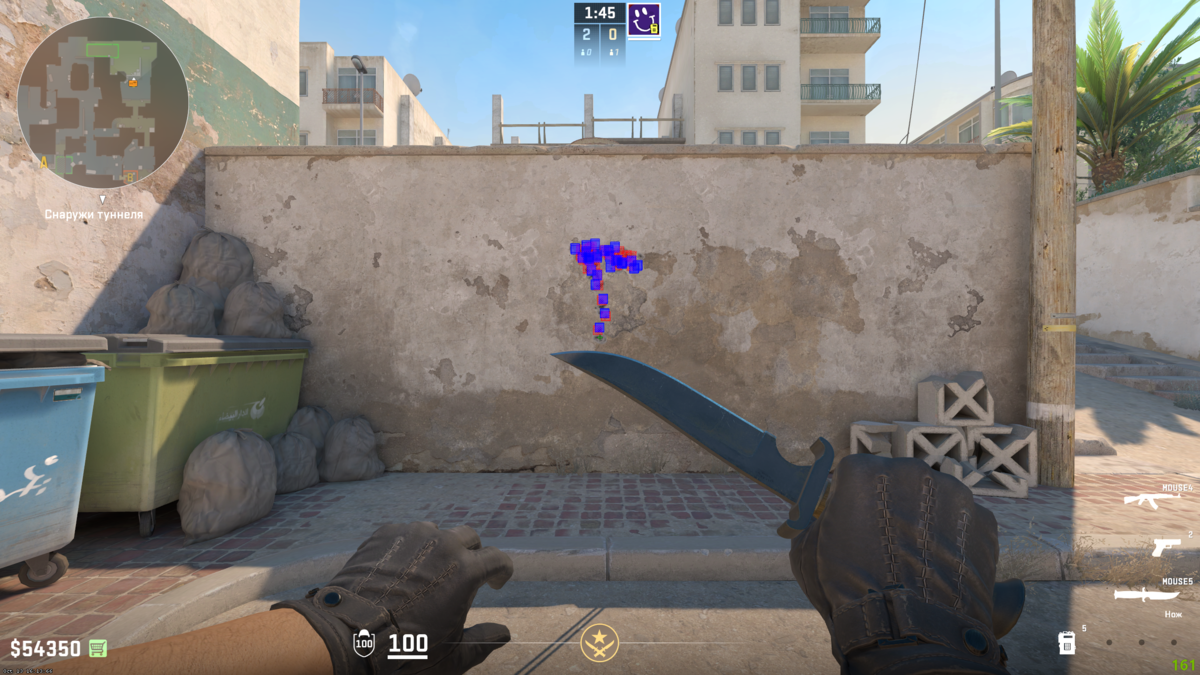
Spray without control
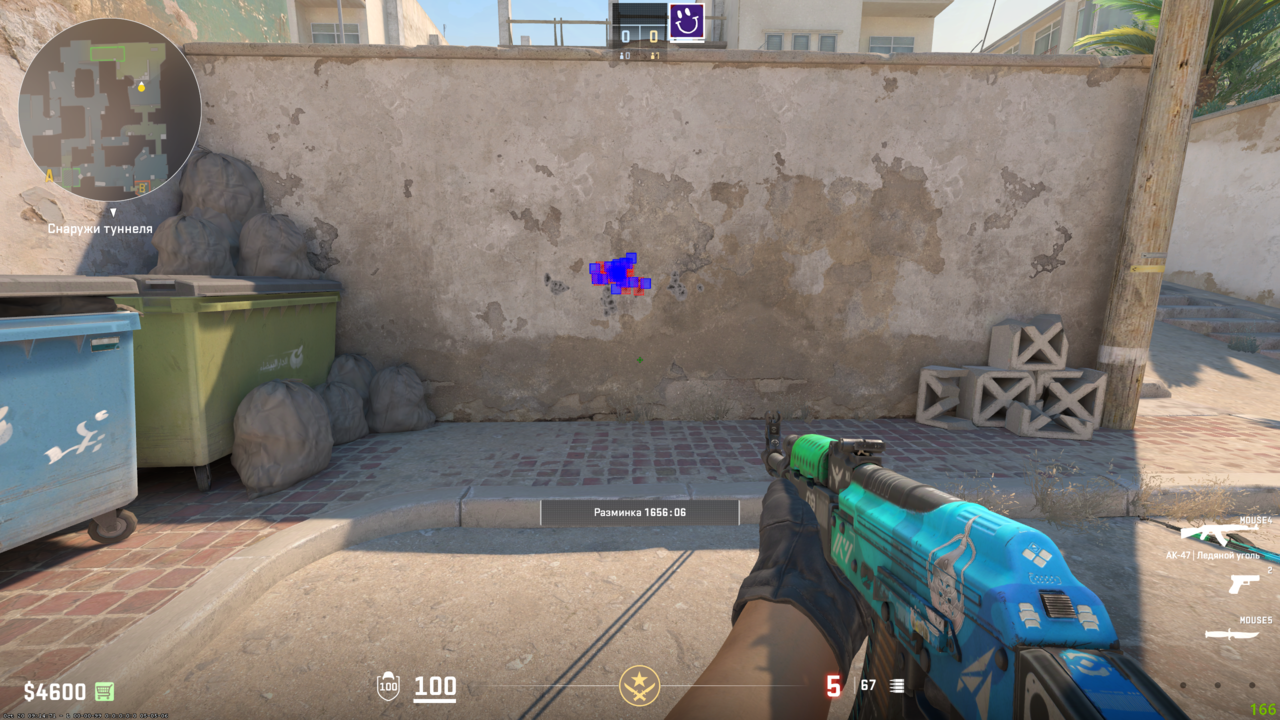
Spray control
However, spraying requires a solid understanding of recoil patterns—without control, bullets will quickly climb and spread sideways. To use it effectively, you need to counter the recoil by moving your mouse in the opposite direction.
Combining Techniques
In practice, the best players don’t stick to just one technique—they combine them. For example, they might start with a short burst for accuracy and then transition into a spray if the enemy isn’t dead. Or use tapping at long range and switch to bursting at mid-range.
Crouch Spraying
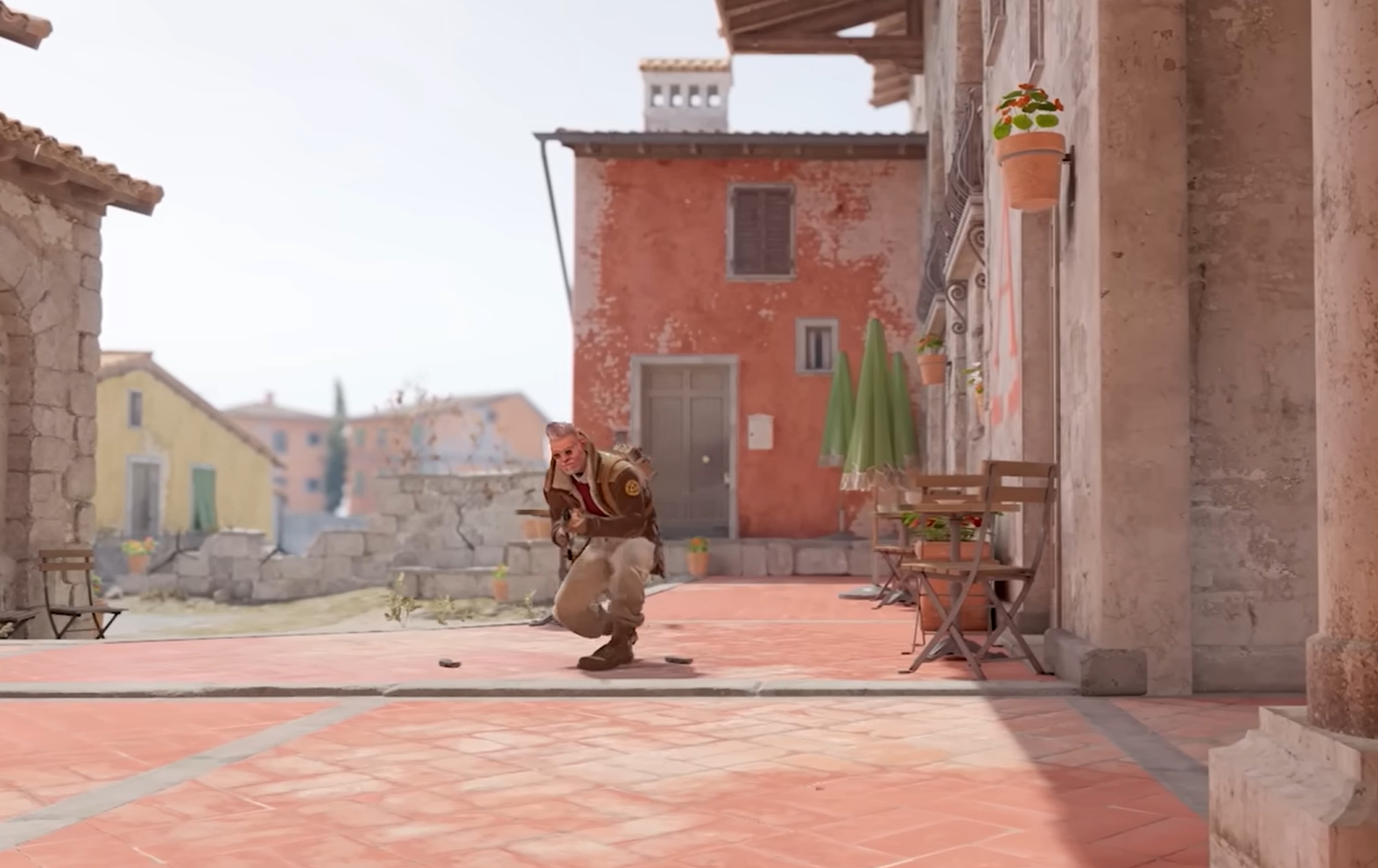
Crouch spraying is a shooting technique where you hold down the fire button while pressing crouch to improve accuracy and make recoil easier to control. In CS2, crouching directly affects your spread—your character becomes more stable, and the spray tightens up, making it more predictable.
The main benefit of crouch spraying is reduced randomness in your shots. When firing while standing, the weapon tends to “kick” more aggressively, but crouching smooths out both vertical and horizontal recoil. This is especially noticeable during longer sprays, where controlling the pattern becomes easier and your bullets land more consistently.
This technique is most useful in situations where you need maximum damage output—like close- to mid-range fights, trades, or when you need to fully commit and finish an opponent. It’s also helpful if you’ve already started spraying while standing: crouching mid-spray can stabilize your weapon and increase your chances of landing shots.
That said, crouch spraying comes with serious downsides. When you crouch, you lose mobility and become an easier target. On top of that, many players aim at head level for standing enemies—so when you crouch, you might actually crouch into their crosshair. That’s why using crouch spraying in every fight is a mistake.
The key is timing. Don’t crouch too early—do it at the start of a fight or mid-spray when you’re fully committed. It also works best when combined with other mechanics: for example, stop with a counter-strafe, start shooting, and only then crouch to stabilize your spray.
We’ve attached a video to make it easier to understand what you need to do. You can always practice on xplay.gg servers before jumping into a real match.
Spray Patterns and How to Learn Them
To control recoil effectively, you need to understand how each rifle behaves when firing. All popular rifles in CS2 have their own unique spray patterns that players need to learn and counter with mouse movement.
In general, the principle is the same regardless of the weapon: bullets always follow a fixed pattern, and your job is to move your mouse in the opposite direction—while avoiding shooting on the move.
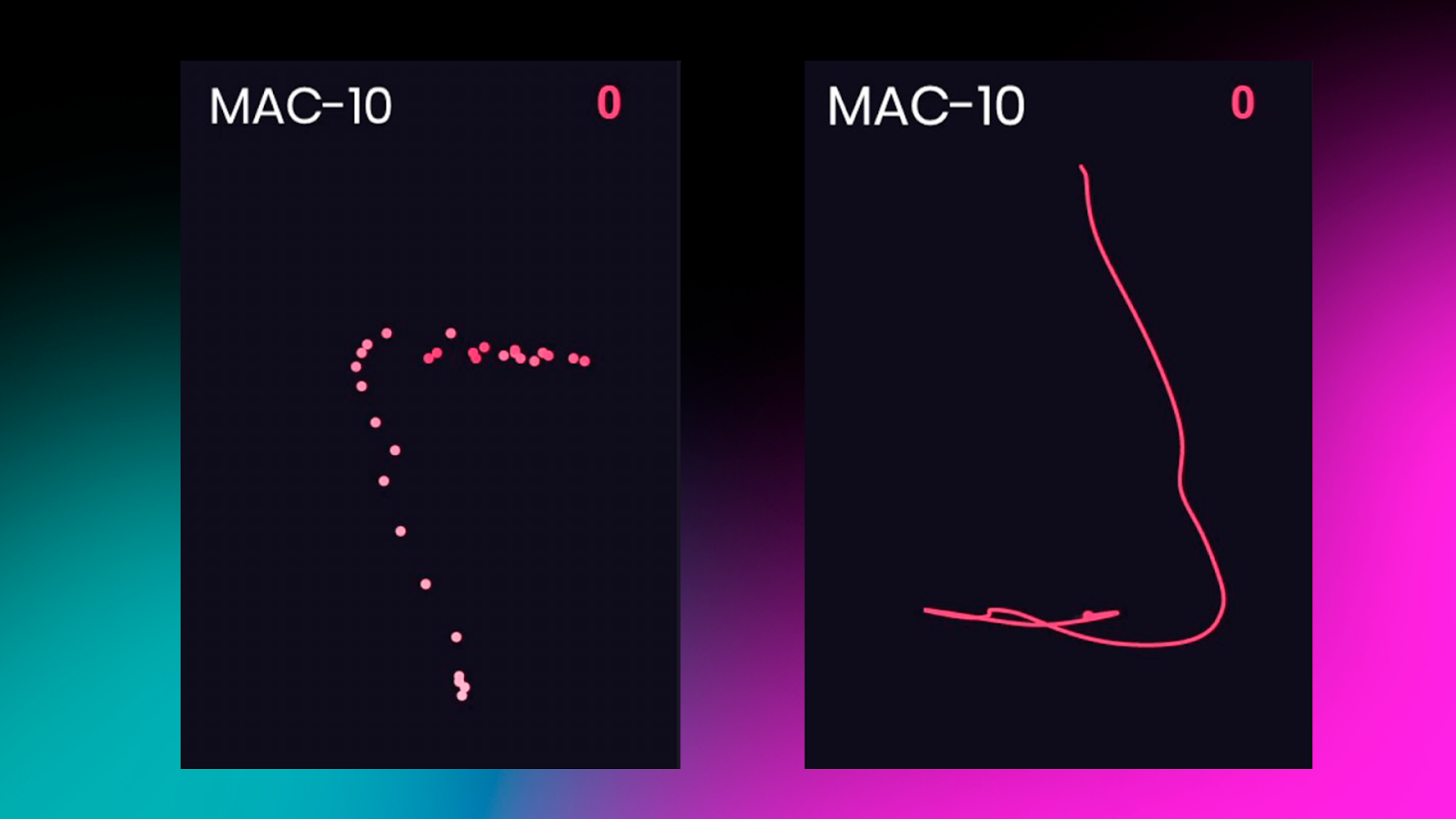
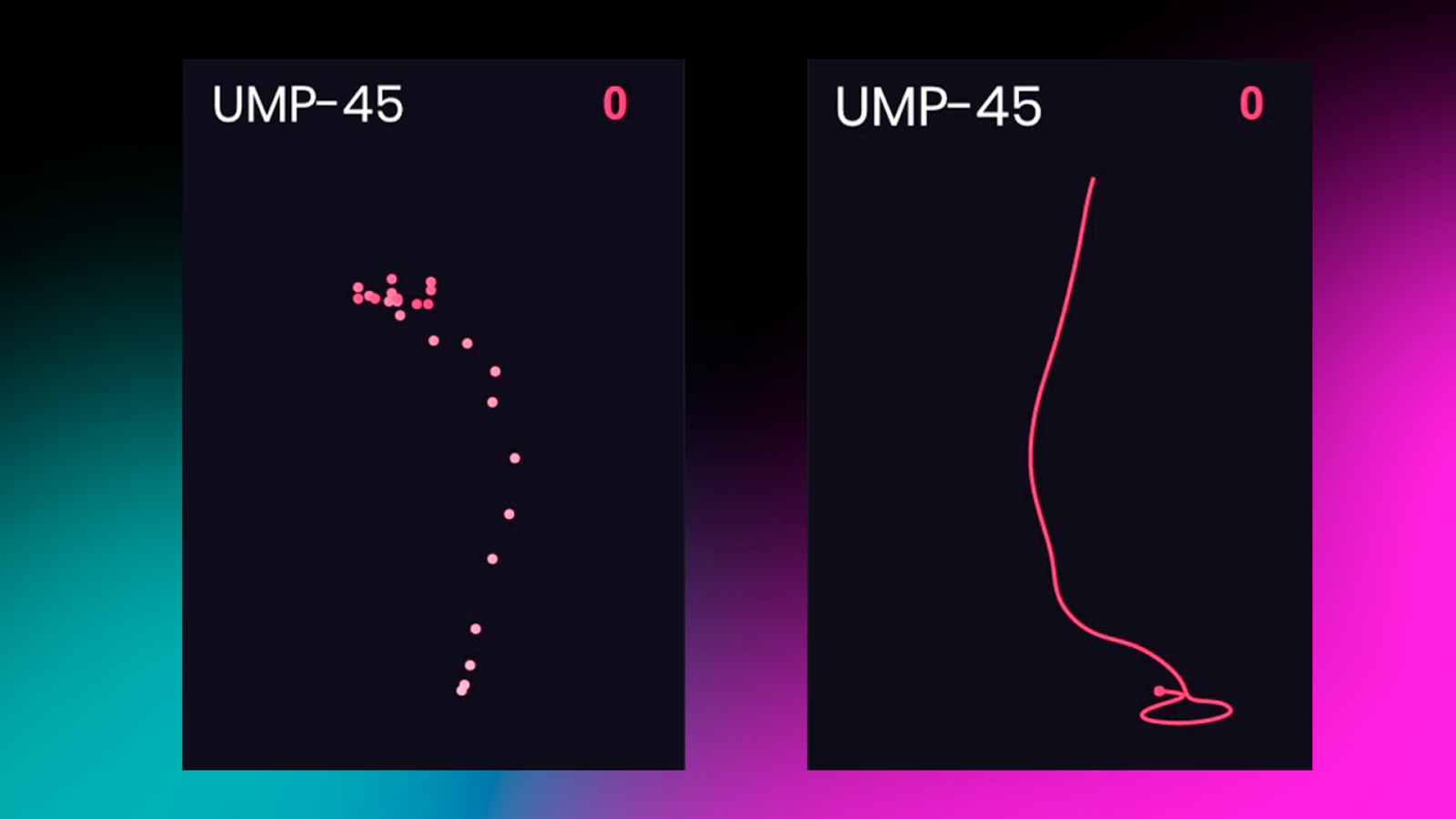
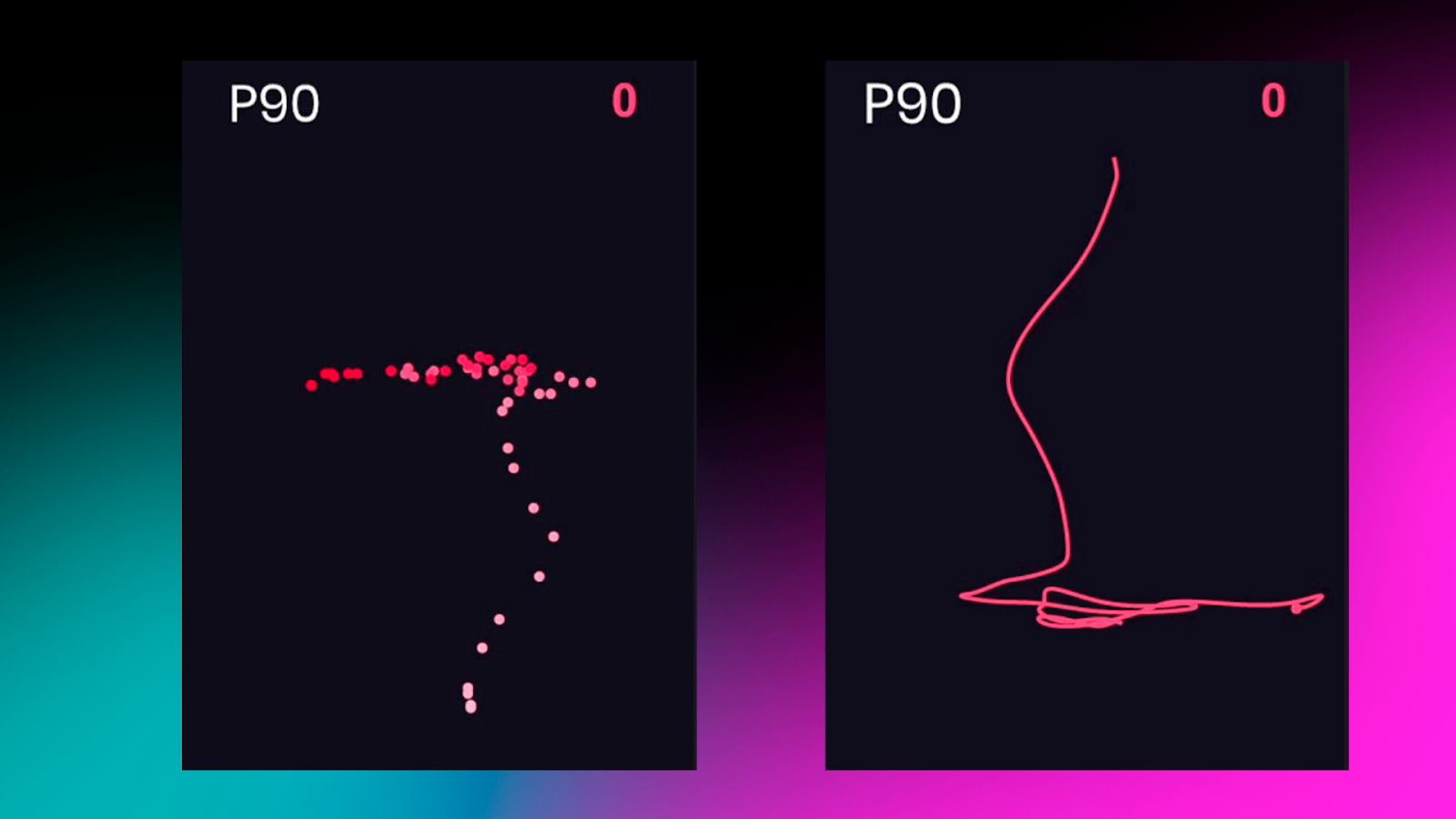
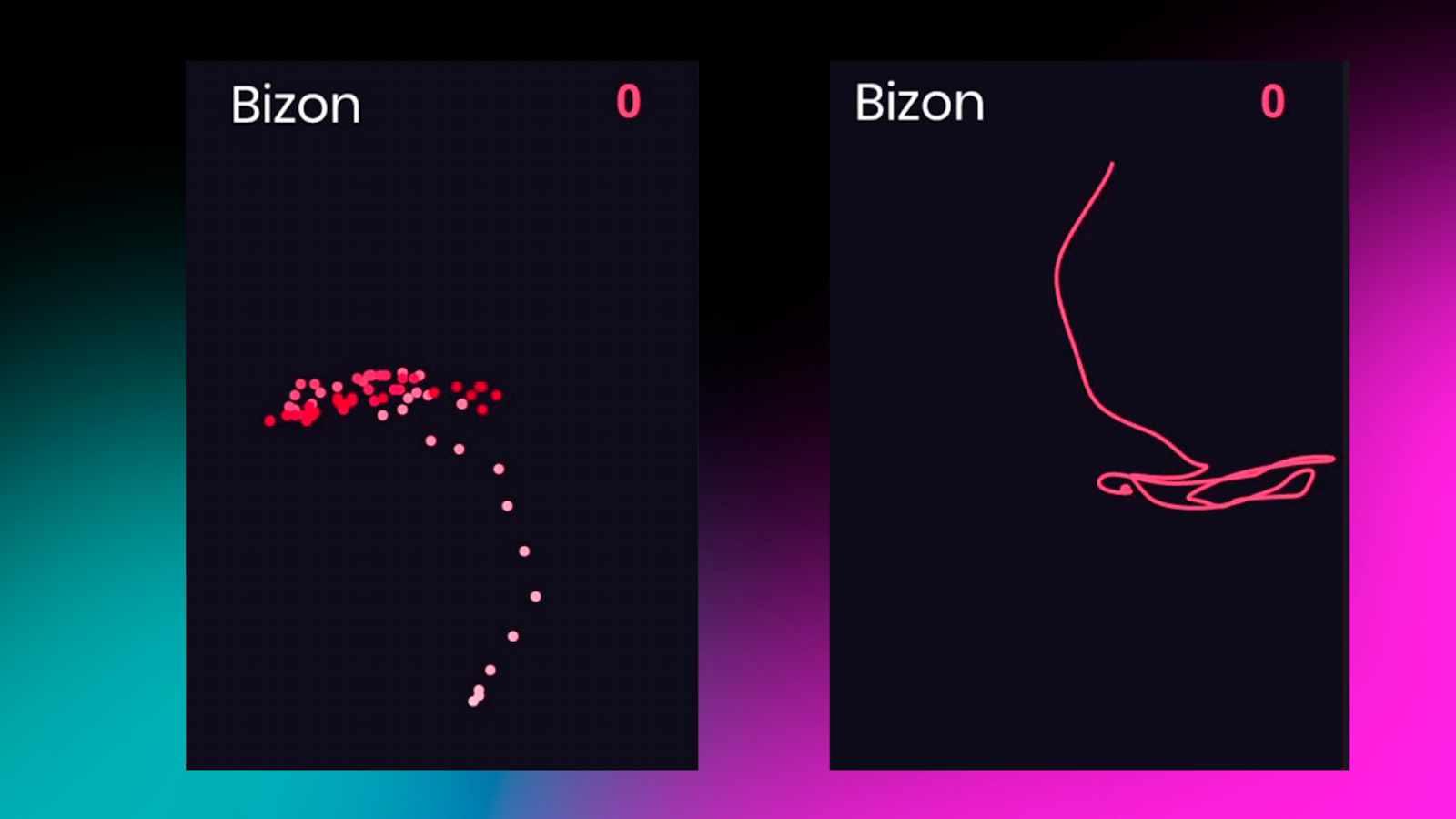
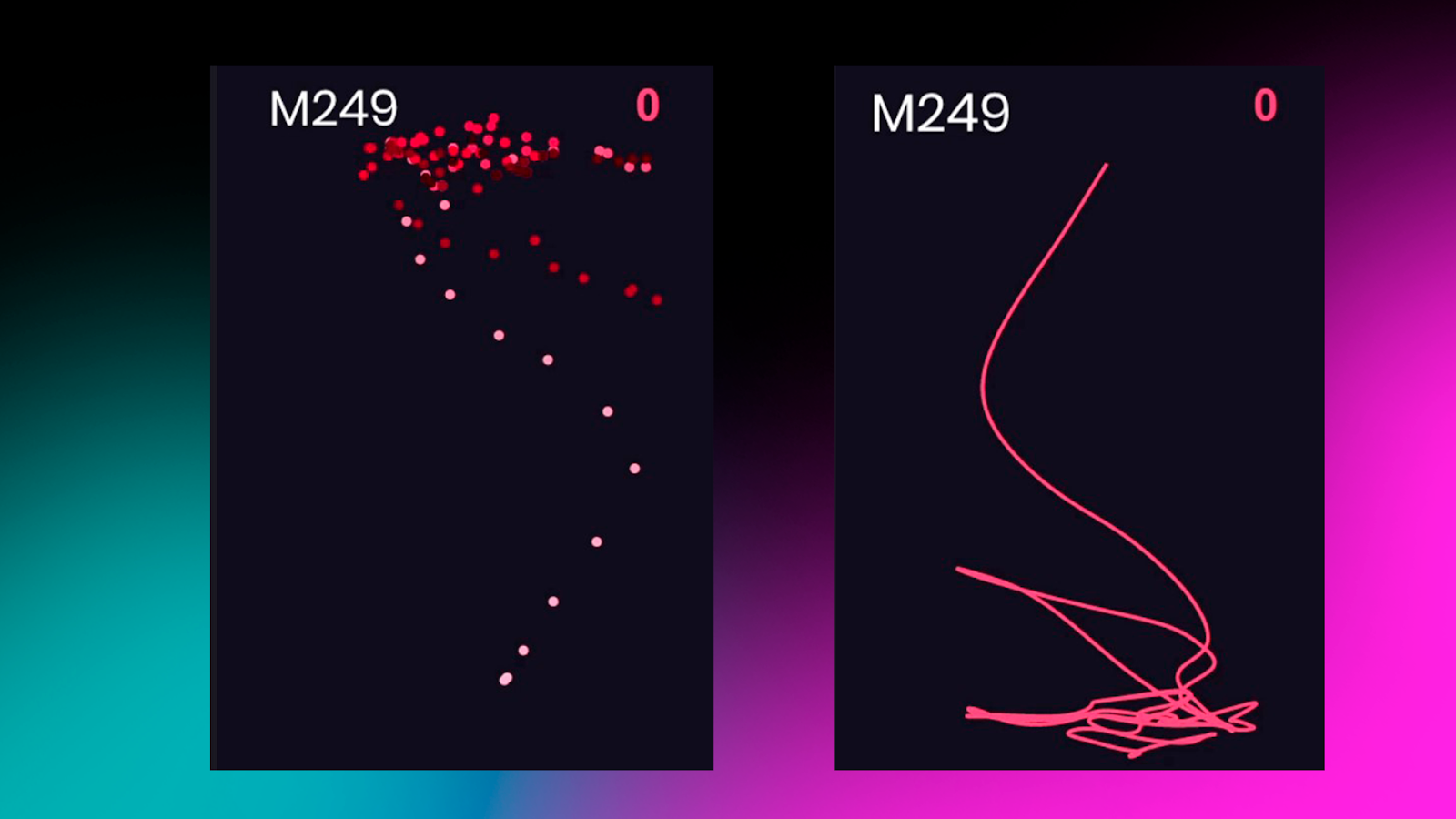
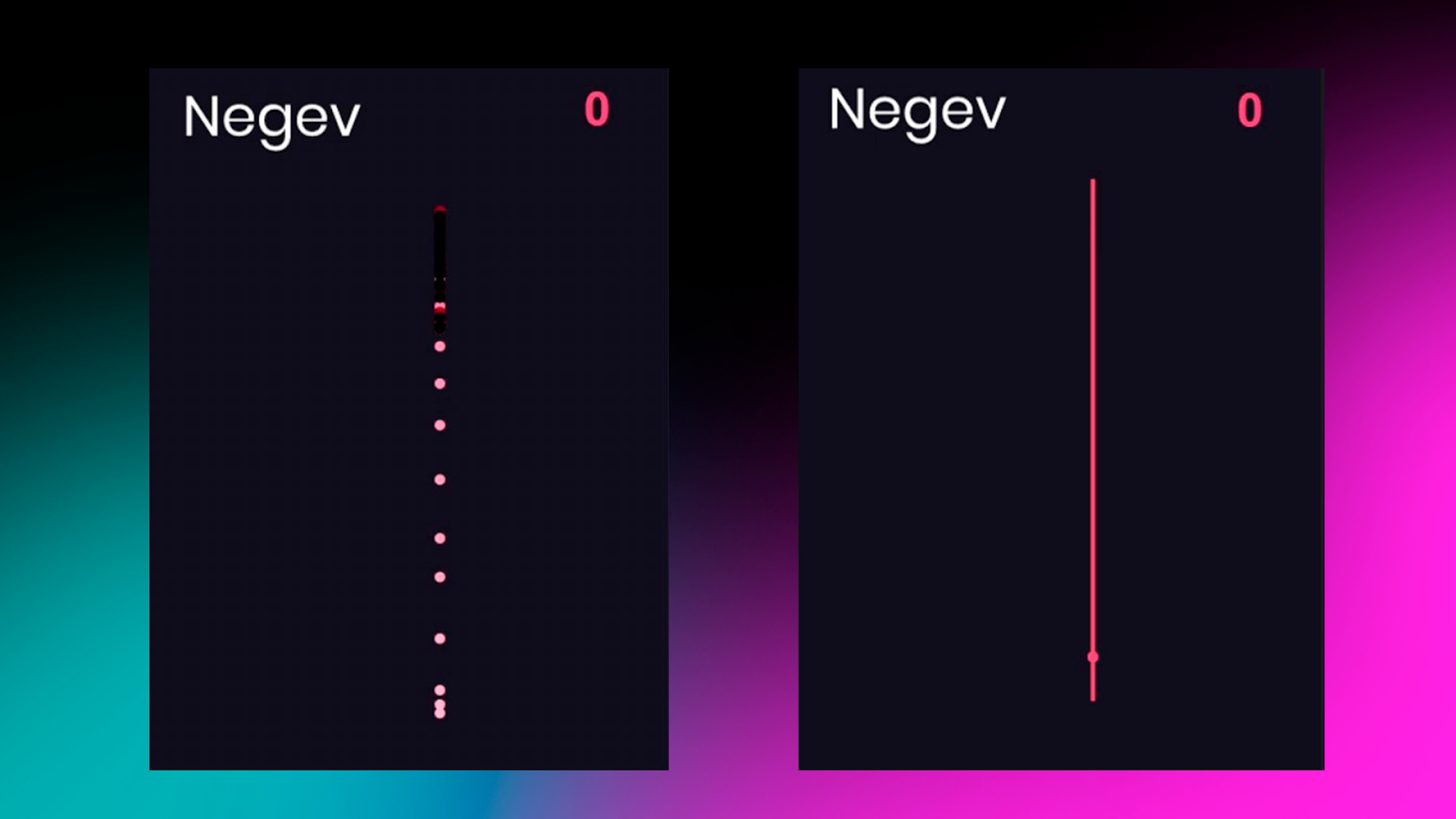
On the left in the images – the recoil pattern; on the right – the mouse movements used to compensate.
AK-47
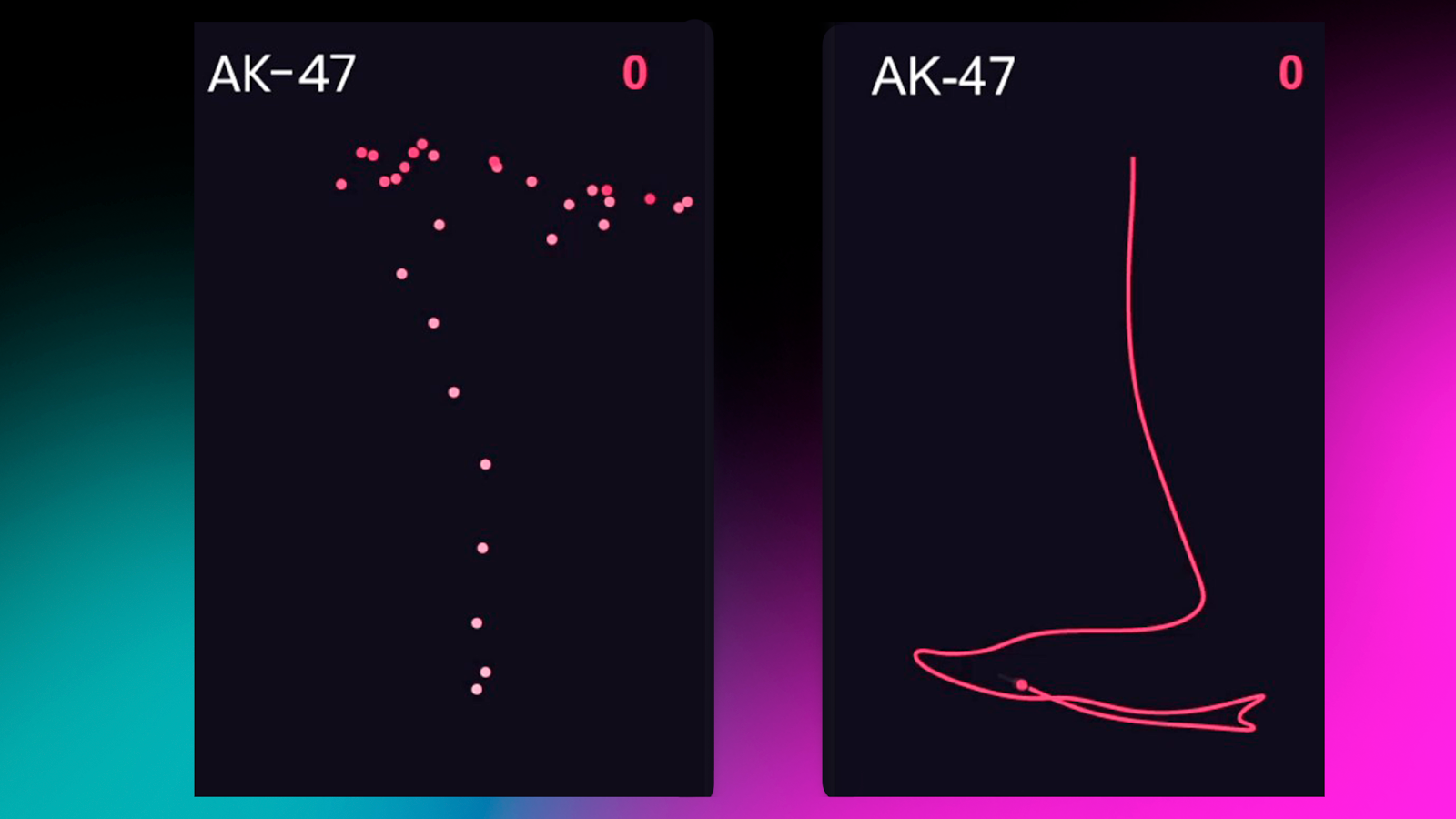
The most difficult—but also the most important—spray pattern to master. The bullets kick sharply upward at first, then start shifting left and right. To control it, pull your mouse down, then adjust side-to-side to counter the horizontal movement.
M4A1-S
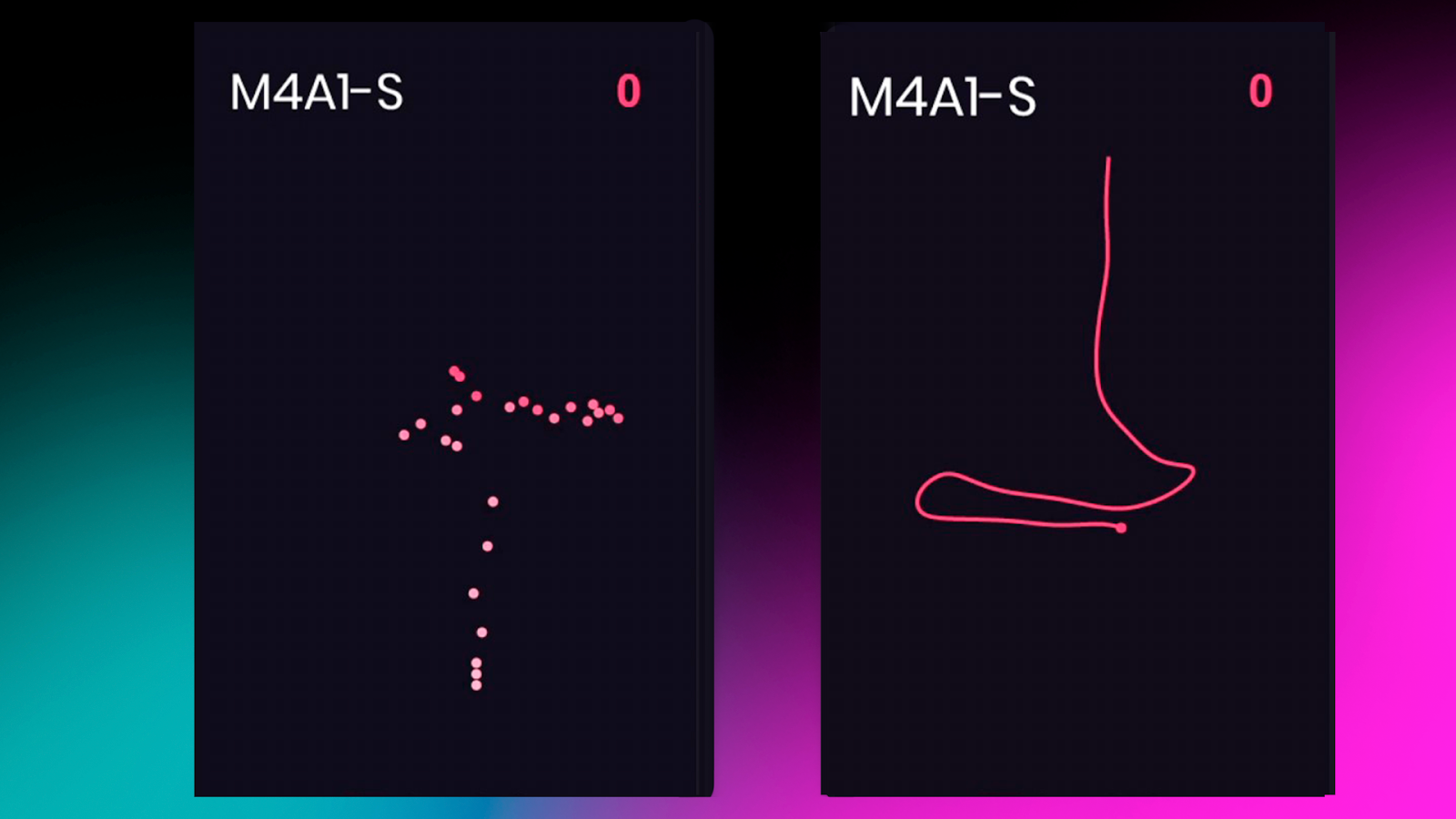
A more stable and “user-friendly” rifle. Its recoil is smoother and more predictable: bullets mostly go upward with a slight drift to the right. This makes it easier to use controlled bursts rather than full sprays.
M4A4
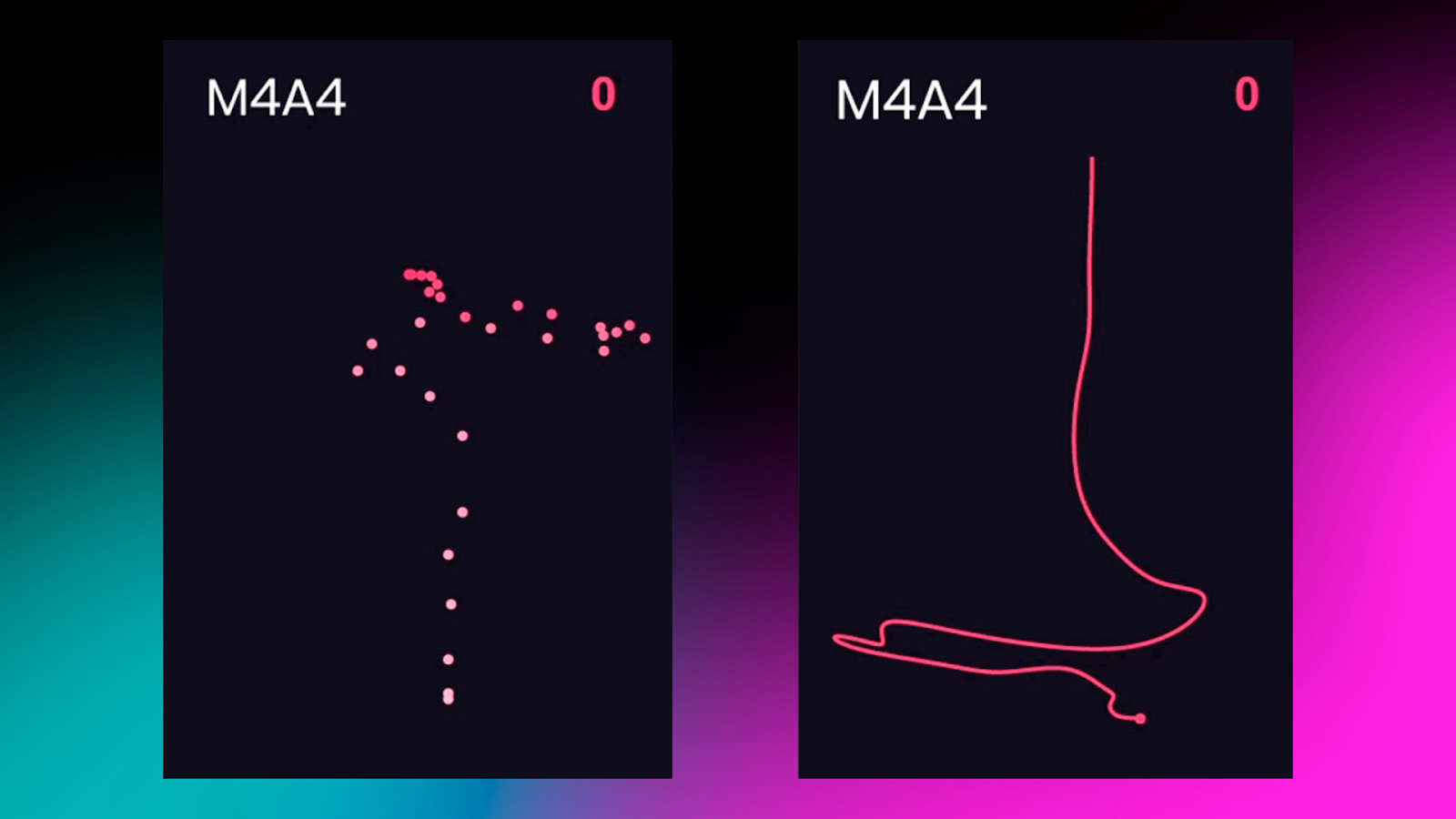
A middle ground between the AK-47 and M4A1-S. The spray starts with a vertical climb, followed by moderate horizontal movement. The key is controlling the first half of the spray—pull down early to keep your crosshair on target.
FAMAS

This rifle has fairly sharp and less predictable recoil. Bullets go up first, then start swaying noticeably from side to side. It’s best controlled with short bursts of 3–5 bullets while gently pulling the mouse down. Long sprays quickly lose accuracy and should be avoided.
Galil AR
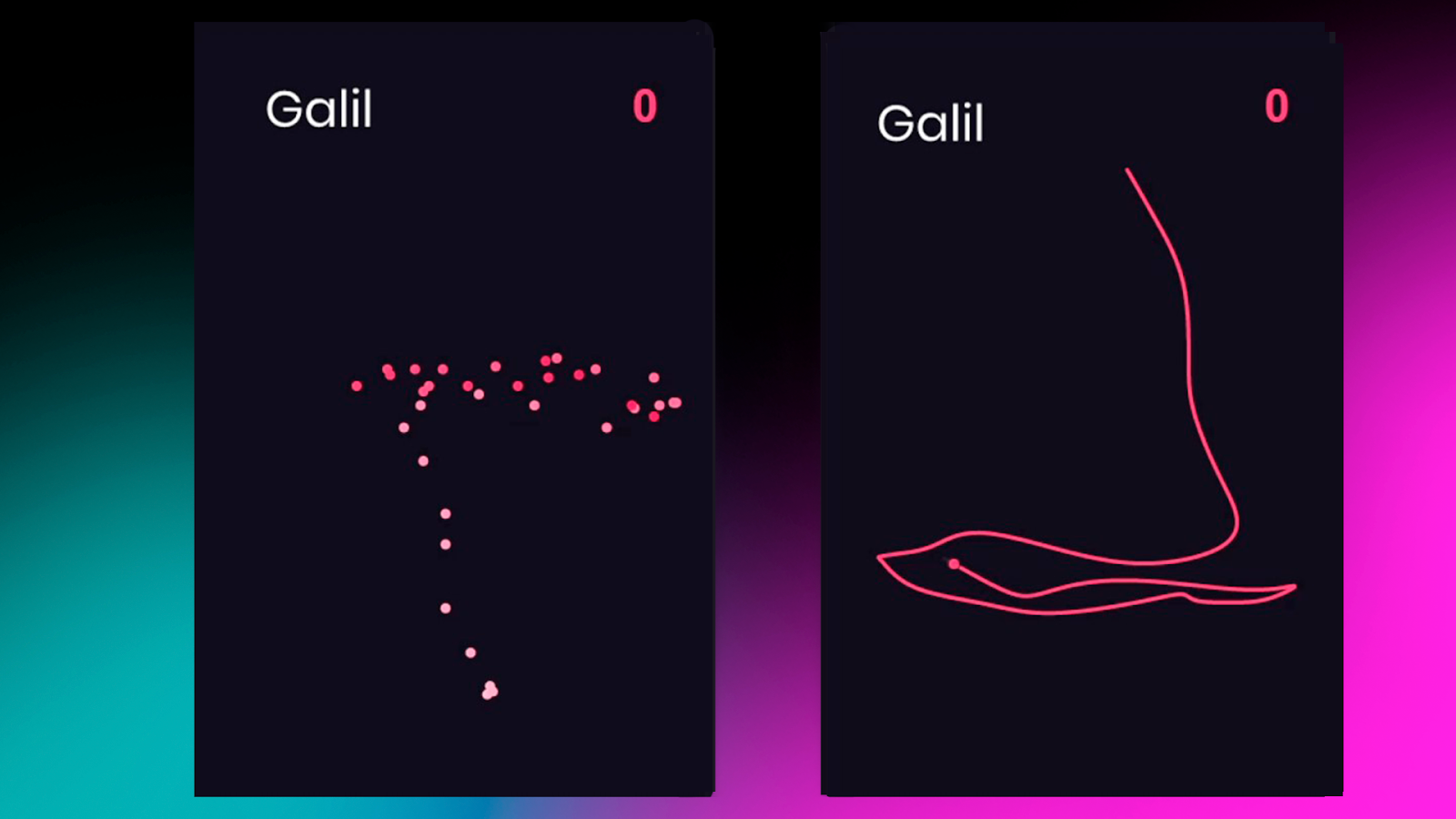
A more affordable alternative to the AK-47 with similar behavior, but weaker and less stable. The pattern starts with a vertical climb, followed by slight horizontal movement. Control is straightforward: pull down and make small left/right adjustments as needed. Medium sprays or controlled bursts work best.
SG553
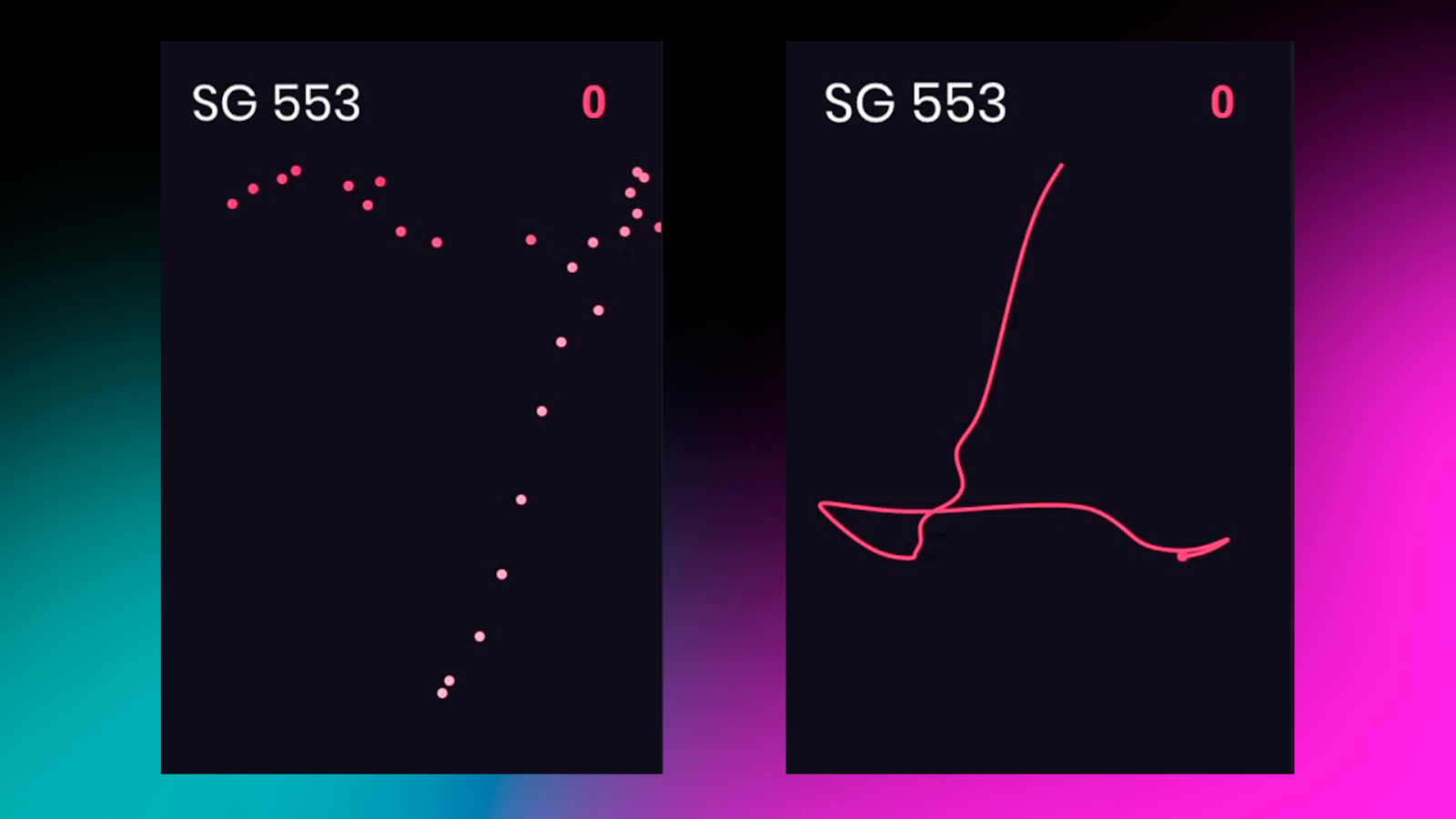
A powerful scoped rifle with noticeable recoil. Bullets go upward first, then shift horizontally. Controlling it requires confident downward movement and careful side adjustments. When scoped, the recoil feels easier to manage, making short bursts more effective.
AUG
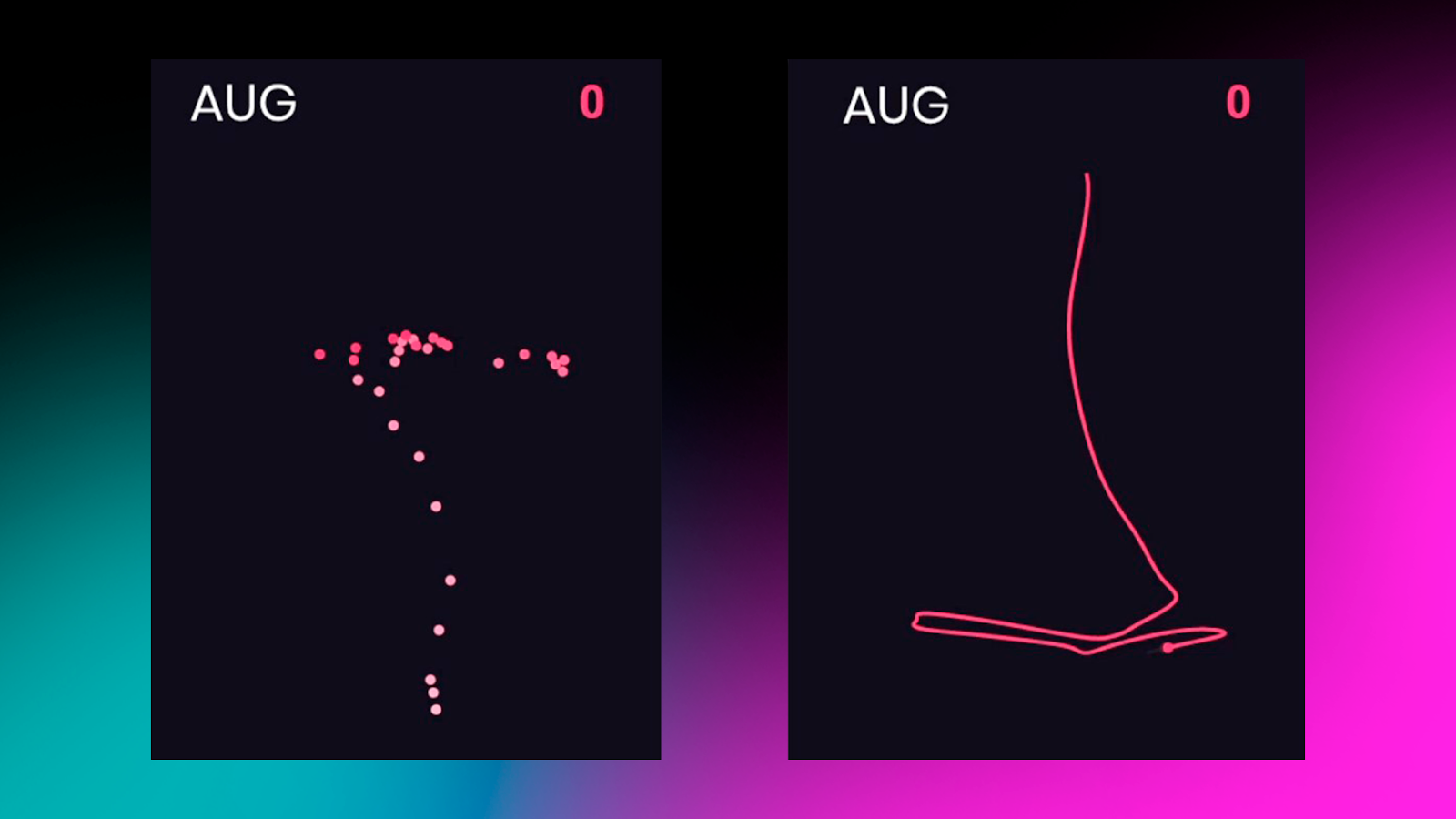
One of the most stable rifles in the game. Its pattern is mostly vertical with minimal side movement, making it very beginner-friendly—just pull your mouse down. When scoped, recoil becomes even easier to control, making the AUG a solid choice for holding angles and landing precise shots.
SMGs in CS2 are known for their high fire rate and more chaotic spray patterns, which makes it especially important to choose the right engagement distance and playstyle.
MP9
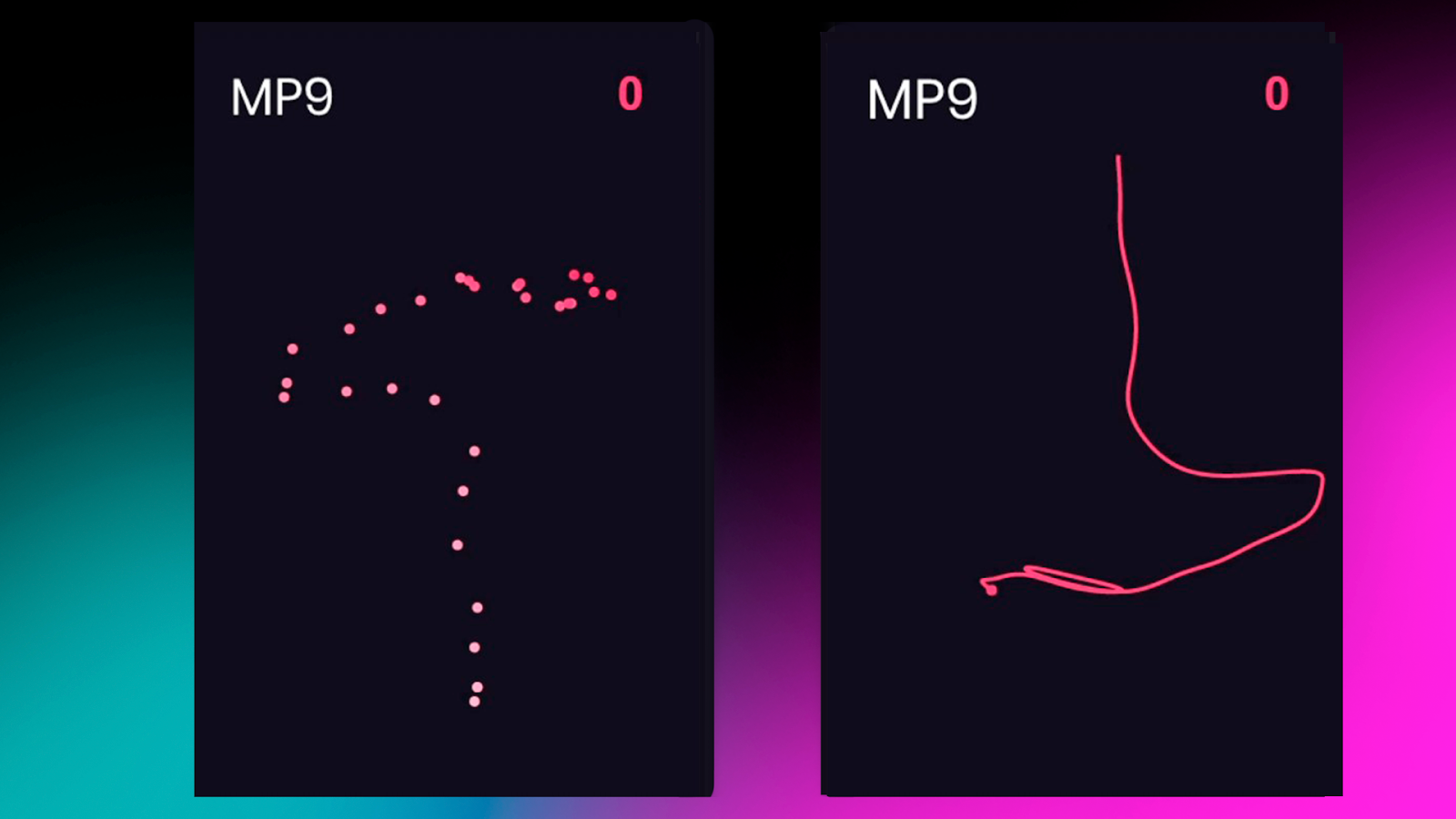
The MP9 is a very fast-firing weapon with sharp recoil. Bullets climb quickly upward and then start swaying heavily from side to side. Controlling a full spray is difficult, so the best approach is to pull your mouse down and use short to medium sprays at close range. At longer distances, it’s better to stick to bursts or single taps.
MP7
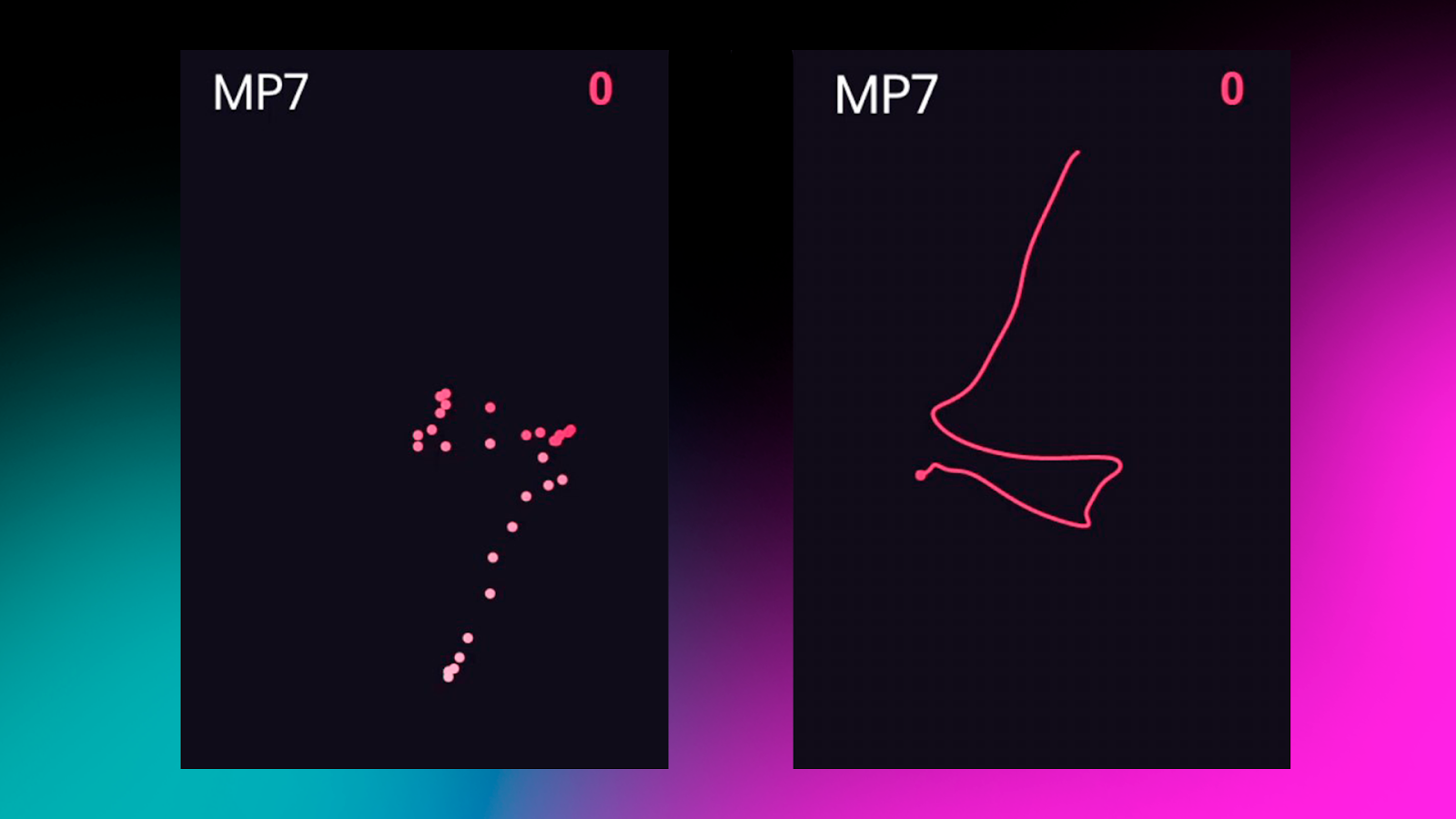
The MP7 is a more stable and versatile SMG. Its recoil is smoother than the MP9, with a pattern that’s mostly vertical and only moderate horizontal movement. This allows you to hold sprays for longer—just pull down steadily and make small side adjustments. It works well in both close- and mid-range fights.
MAC-10
UMP-45
P90
Bizon
M249
Negev
Practice and More Practice
To master spray control in CS2, consistent practice combined with thoughtful analysis of your gameplay is critical. Participate in Deathmatch combat modes to hone your skills in a live-fire environment.
You can do this on the servers xplay.gg without trouble. Choose the mode you want to play in and the weapon you want to train with.
Improve your knowledge by watching gameplay demonstrations. This review process helps you identify specific weaknesses in your technique.
In addition, watching professional players can provide invaluable information. Observe how they manage their pressure spray control and try to emulate their strategies.
Final Thoughts
Spray control increases shooting accuracy and efficiency and makes a player a more reliable and valuable team member. So, don't stop practicing hard and developing your spray control skills.